1 Best 32 Amp Portable EV Charger for U.S. EV Owners
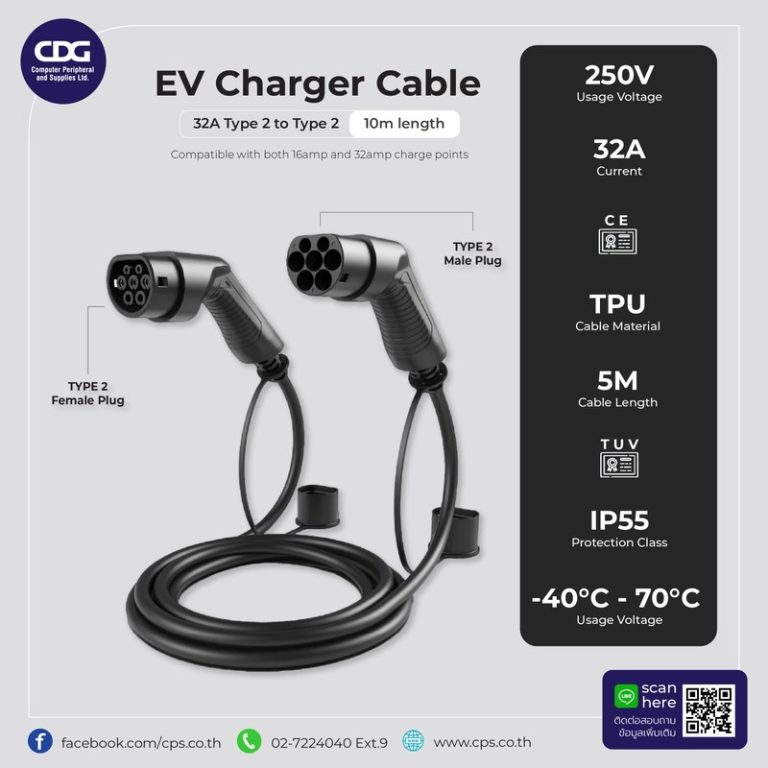
Looking for the best 32 amp portable EV charger usually starts with a simple question: can one cable cover daily charging at home and still fit in the trunk for a trip? The pick below is the only unit in this roundup, and it is a Type 2 CEE cable rated 6A–32A with a 5 m cord and an advertised 7 kW single-phase output. That combination is genuinely useful — but it is also a European-style connector and supply plug, which is the single biggest thing a U.S. buyer needs to check before ordering.
Strongest recommendation: the VDLPOWERVP Type 2 CEE EV Charging Cable is the pick here for drivers who have already confirmed a Type 2 vehicle inlet and a matching single-phase supply. It offers adjustable 6A–32A current, a 5 m cable, an advertised IP65 rating, and a memory function that restores your last setting. Main limitation: Type 2 and CEE are not the standard U.S. connector and outlet combination, the listing states no safety certification mark, and only 3 ratings (3.6 stars) are on record — so verify connector, plug, and listing details before you buy.
If your car uses a J1772 or NACS inlet, this is probably not the right cable for you, and a portable EVSE built for the North American market will serve you better. If you do have a Type 2 inlet, the adjustable amperage is the real selling point: you can dial the current down for a lower-capacity supply and back up to 32A when the circuit allows. For broader context on how portable units differ by amperage, see our guide to portable Level 1 and Level 2 EV chargers.
Quick Product Comparison
| Product | Image | Type / Connector | Best For | Current Price |
|---|---|---|---|---|
| VDLPOWERVP Type 2 CEE Charging Cable | 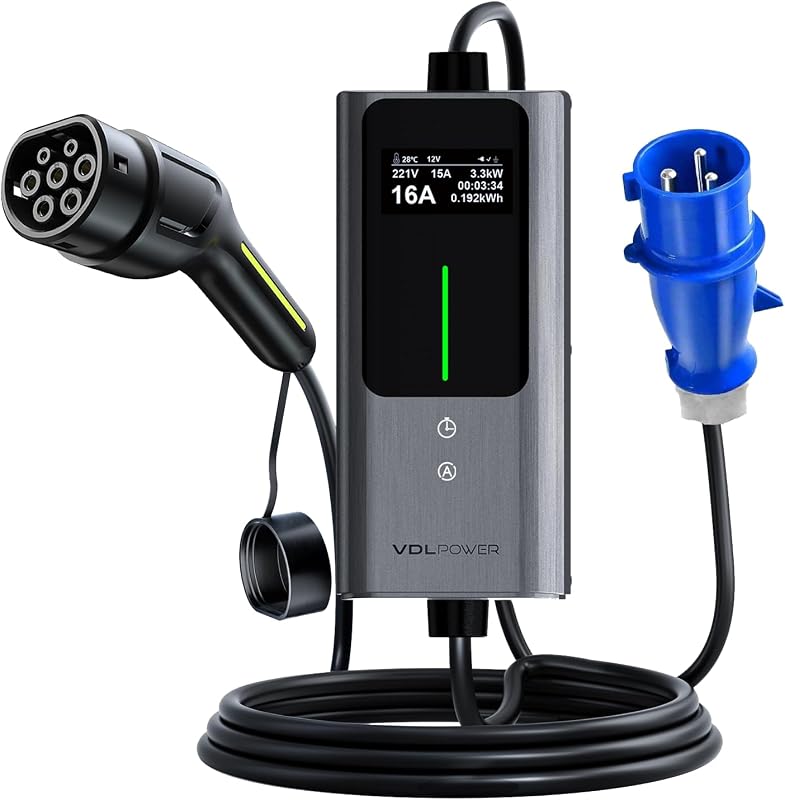 |
Type 2 connector, CEE supply plug, single-phase AC | Drivers with a confirmed Type 2 inlet and matching supply | See Price → |
What Matters for Best 32 Amp Portable Ev Charger
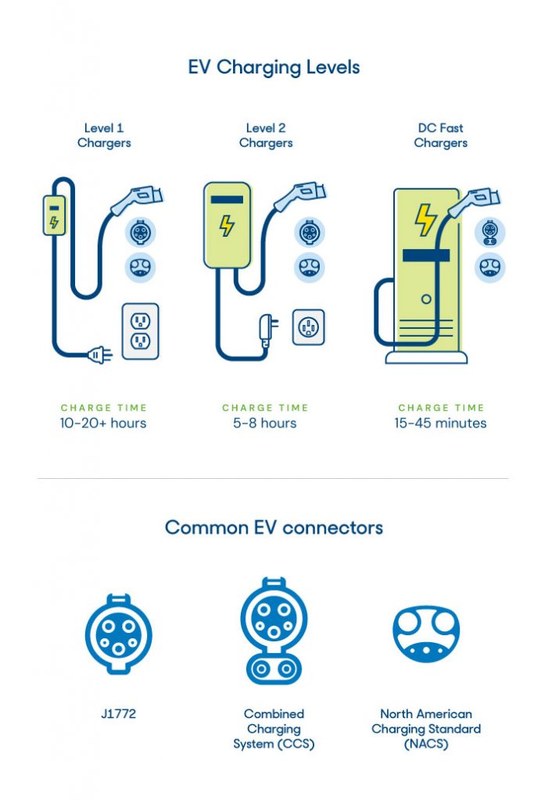
1. Connector type and your vehicle inlet. This is the make-or-break factor. The unit listed here uses a Type 2 connector, which is the standard in Europe but not the standard on U.S.-market EVs. Most U.S. cars use J1772 or NACS, so confirm your inlet before anything else.
2. Supply plug and what it plugs into. The listing describes a CEE supply connection. That is not the same as a North American NEMA receptacle, so you need to know exactly what outlet you intend to use and whether the supplied plug matches it. Do not assume a receptacle type that is not stated.
3. Adjustable current from 6A to 32A. A 32A rating is a ceiling, not a guarantee. The adjustable range lets you match the charger to the circuit you actually have, which is a real advantage for renters, shared garages, and travel. Just remember the charger cannot force your car to accept more than its onboard AC charger allows.
4. Cable reach. The cord is 5 m, or roughly 16.4 ft. That is workable for many garages and driveways, but measure the distance from your outlet to your charge port before you commit — especially if you park nose-in.
5. Weather and outdoor suitability. The listing advertises IP65. Treat that as a manufacturer claim to verify against the current product documentation rather than a blanket green light for permanent outdoor installation.
6. Safety listing and support. No certification mark, warranty term, or utility approval is stated in the supplied data. That is not proof of a problem, but it does mean you should confirm the listing status and warranty yourself before buying.
Our Top 1 Picks
1. Type 2 CEE EV Charging Cable, 7 kW 5 m Portable Charger, 6A-32A Single-Phase Wallbox, IP65 Waterproof
This VDLPOWERVP cable is the only product in this roundup, and it earns the top spot mainly on flexibility. The 6A–32A adjustable range means you can set it low for a modest supply and raise it to 32A when conditions allow, and the automatic memory function restores your last setting after a power cycle — a small convenience that matters if you unplug often. The 5 m cord gives you roughly 16 ft of reach, the unit weighs about 2 kg, and the listing advertises IP65 protection plus a 7 kW maximum single-phase output. The trade-offs are real: Type 2 and CEE are not the standard U.S. connector and plug combination, no safety certification mark or warranty term is stated in the supplied data, and the product carries only 3 ratings at 3.6 stars. Buy it only after you have physically confirmed your vehicle inlet and your outlet.
- Adjustable 6A–32A current lets you match a range of supplies
- Advertised 7 kW single-phase output and 32A amperage rating
- 5 m cable (about 16.4 ft) with a compact 2 kg body
- Automatic memory function restores your previous setting
- IP65 rating advertised in the listing
- Type 2 connector and CEE supply plug are not the U.S. standard
- No safety certification mark or warranty details stated
- Thin feedback record: 3 ratings at 3.6 stars
- Listing describes it as both portable and a wallbox — confirm your intended use
Important: Physical fit alone does not prove every charging mode is supported.
Advertised figures describe the charger’s ceiling, not your car’s. Your vehicle’s onboard AC charger may accept less.
Buying Guide: Choosing a 32 Amp Portable EV Charger in the U.S
A 32A portable charger sits in a useful middle ground. It is faster than a basic Level 1 cord, it does not demand the heavy electrical work of a 48A hardwired unit, and it can travel with you. Before you buy, work through the checks below in order — the first one eliminates more products than any other.
- Confirm the connector matches your vehicle inlet — Type 2, J1772, or NACS
- Verify the supply plug matches the outlet you actually have
- Confirm the adjustable current range covers your circuit
- Measure the distance from outlet to charge port against the 5 m cable
- Verify safety listing, warranty, and outdoor-use details in the current listing
- Budget for any adapter, mounting, or electrical work you may need
Check the connector type, the supply plug, and the adjustable current range against your car and your outlet.
Review the circuit you plan to use and the manufacturer’s instructions. If anything is unclear, have a qualified electrician look at it.
Follow the product instructions, set the current to match your supply, and use a qualified professional where required.
One more expectation to set: a 32A charger does not automatically mean 32A of charging. Your vehicle’s onboard AC charger has its own limit, and the actual rate is the lower of the two. A car that caps at 7.2 kW or less will not benefit from a higher-rated EVSE, which is why matching the charger to the car matters more than chasing the biggest number on the box. If you are weighing this against a fixed home unit, our roundup of 40 amp Level 2 EV chargers covers the hardwired side of that decision.
- Best for: Drivers who have confirmed a Type 2 vehicle inlet and a matching single-phase supply, and who want adjustable 6A–32A current in a compact 5 m cable.
- Think twice if: Your EV uses J1772 or NACS, or you need a documented safety certification and a longer track record than 3 ratings.
- Next step: Physically check your charge port and your outlet, then confirm the current listing’s certification, warranty, and plug details before ordering.
Frequently Asked Questions About Best 32 Amp Portable Ev Charger
For most drivers, yes. A 32A Level 2 connection adds meaningful range overnight, which covers a typical daily commute. The catch is that your car’s onboard AC charger may accept less than 32A, so your real speed is whatever the lower of the two allows.
Not as listed. The product uses a Type 2 connector, and J1772 and NACS are different physical standards. Do not assume an adapter resolves it — confirm compatibility with the manufacturer and your vehicle before buying.
It depends entirely on the specific product, and this listing describes a CEE supply connection rather than a North American NEMA receptacle. Check the plug on the unit, confirm it matches your outlet, and have a qualified electrician review the circuit if you are unsure.
This listing advertises an IP65 rating for the enclosure, but that does not automatically cover the plug, outlet, or cable routing. Keep the supply connection out of standing water and confirm the manufacturer’s outdoor guidance in the current documentation.
No. The 7 kW figure is the charger’s advertised maximum under a single-phase supply, and the delivered rate depends on your supply voltage and your vehicle’s onboard charger limit. Expect the lower of the two, not the box number.
Start with the connector and the supply plug, since those rule products in or out immediately. Then confirm the adjustable current range, cable length, safety listing, warranty, and outdoor-use guidance in the current product listing.
If you take one thing from this roundup, make it the connector check. The VDLPOWERVP cable has genuine strengths — adjustable 6A–32A current, a 5 m cord, an advertised 7 kW single-phase ceiling, and an IP65 rating — but those advantages only matter if the Type 2 connector and CEE supply plug actually match your car and your outlet. For most U.S. EV owners driving a J1772 or NACS vehicle, this is not the right product, and a North American portable EVSE is the better path.
If you do have a Type 2 inlet and a compatible supply, this is a reasonable, flexible choice at a modest size and weight. Confirm the plug, the certification status, and the warranty on the live listing before you order, set the current to match your circuit, and follow the manufacturer’s instructions throughout.