How Many kW Is a 40 Amp Level 2 Charger? Power Output Explained
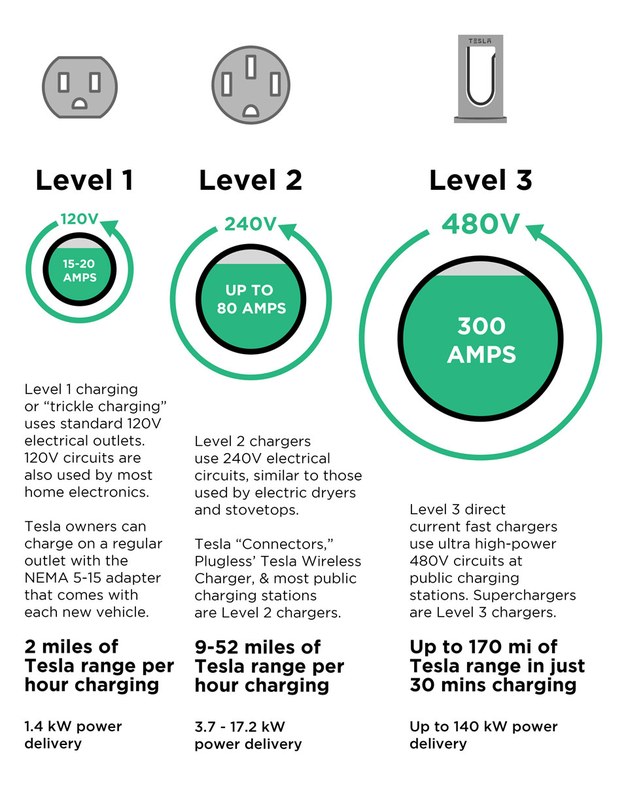
A 40-amp Level 2 charger provides strong home charging power on a 240-volt circuit. A 40-amp Level 2 charger delivers 9.6 kilowatts of power before charging losses.
Your vehicle may receive slightly less power because the charger and battery waste some energy as heat. We’ll also cover the circuit size, expected energy added, and the factors that can reduce real-world charging speed.
Key Takeaways
- A 40-amp charger delivers 9.6 kW at 240 volts.
- Charging losses can lower the power reaching the battery.
- Your vehicle and electrical system affect actual charging speed.
Electrical Power Calculation
A 40-amp Level 2 charger typically supplies 9.6 kW on a 240-volt circuit. We calculate its input power from voltage and current, then account for electrical losses and continuous-load requirements when sizing the circuit.
Voltage And Amperage Relationship
We calculate power with this formula:
Power (kW) = Voltage (V) × Current (A) ÷ 1,000
For a 40-amp charger on a 240-volt supply:
240 × 40 ÷ 1,000 = 9.6 kW
This is the charger’s maximum electrical input under those conditions. A 208-volt commercial supply would produce less:
208 × 40 ÷ 1,000 = 8.32 kW
The vehicle may receive slightly less power because the charger and battery lose some energy as heat during conversion. With about 10% loss, a 240-volt system might deliver roughly 8.6 kW to the battery. The vehicle also controls the charging rate, so it may accept less than the charger’s maximum rating.
Continuous Load Rule
We treat EV charging as a continuous load because it can run for three hours or longer. Electrical codes commonly require the circuit to operate at no more than 80% of its rated capacity, which means we multiply the charging current by 125% when sizing the circuit.
For a 40-amp charger:
40 × 1.25 = 50 amps
We therefore commonly use a 50-amp, 240-volt dedicated circuit for a charger configured to draw 40 amps. The exact breaker, wiring, disconnect, and installation method must meet local electrical codes and the charger manufacturer’s instructions. A qualified electrician should verify the panel capacity and wire size before installation.
Typical Level 2 Charging Power
A 40-amp Level 2 charger delivers about 9.6 kW on a 240-volt circuit and about 8.3 kW on a 208-volt circuit. Actual charging power can be lower because the vehicle’s onboard charger, charging settings, and electrical conditions limit the power it accepts.
240-Volt Residential Circuits
We calculate charging power with this formula:
240 volts × 40 amps ÷ 1,000 = 9.6 kW
A 40-amp charger normally requires a 50-amp dedicated circuit because continuous loads generally use no more than 80% of the circuit rating. The charger may advertise 9.6 kW, but the vehicle might accept less if its onboard charger has a lower limit.
| Circuit voltage | Charger current | Maximum power |
|---|---|---|
| 240 volts | 40 amps | 9.6 kW |
Charging speed also varies by the vehicle’s battery size and efficiency. A larger battery does not change the charger’s power, but it takes longer to fill. We should also expect some energy loss between the electrical panel, charger, and battery.
208-Volt Commercial Circuits
Many commercial buildings supply 208 volts instead of 240 volts. At 40 amps, we calculate the output as:
208 volts × 40 amps ÷ 1,000 = 8.32 kW
This is about 1.3 kW less than the same charger on a 240-volt residential circuit. The difference usually produces a modest increase in charging time, although the vehicle’s charging limit may matter more.
| Circuit voltage | Charger current | Maximum power |
|---|---|---|
| 208 volts | 40 amps | 8.32 kW |
Before installation, we should confirm the building’s voltage and circuit capacity with an electrician. The charger must support the available voltage, and the vehicle must be able to accept the power it provides.
Charging Speed And Energy Added
A 40-amp Level 2 charger supplies up to 9.6 kW on a 240-volt circuit. Actual charging speed depends on the vehicle’s onboard charger, battery condition, temperature, charging losses, and available circuit power.
Estimated Miles Of Range Per Hour
At its full 9.6 kW output, we can expect a 40-amp charger to add roughly 25–35 miles of range per hour for many EVs. This estimate assumes the vehicle uses about 3–4 miles of driving range per kilowatt-hour.
| Charging detail | Typical value |
|---|---|
| Voltage | 240 volts |
| Current | 40 amps |
| Maximum power | 9.6 kW |
| Estimated range added | 25–35 miles per hour |
Our actual results may differ. A larger, less efficient SUV may gain fewer miles per hour than a smaller, efficient sedan. The EV also limits charging if its onboard charger accepts less than 9.6 kW. For example, a vehicle limited to 7.2 kW will not use the charger’s full available power.
Battery Capacity And Charge Time
Battery size affects the time needed for a full charge. A 40-amp charger adds about 9.6 kWh per hour before charging losses, so a 60 kWh battery would need approximately 6.25 hours of ideal charging time from empty. In practice, we should allow extra time for energy losses and slower charging near a full battery.
A simple estimate uses this formula:
Charge time = energy needed ÷ charging power
For example, adding 30 kWh at 9.6 kW takes about 3.1 hours under ideal conditions. Most drivers do not charge from empty to full. Replacing 20 kWh overnight takes about two hours and can provide roughly 60–80 miles of range, depending on vehicle efficiency.
Circuit And Equipment Requirements
A 40-amp Level 2 charger typically delivers 9.6 kW on a 240-volt supply. We must match the breaker, wiring, and electrical panel capacity to the charger’s continuous load.
Breaker Sizing
EV charging counts as a continuous electrical load because the charger may run for several hours. We generally size the circuit at 125% of the charger’s maximum current.
For a charger that draws 40 amps:
- 40 amps × 125% = 50 amps
- Required circuit: 50-amp, 240-volt dedicated circuit
- Typical output: 9.6 kW before charging losses
The circuit should use properly sized conductors and a two-pole breaker. Local electrical codes may require ground-fault protection, especially for receptacle-connected equipment. We should also confirm that the service panel has enough capacity after accounting for the home’s existing loads.
A licensed electrician can check the panel, wiring route, disconnect requirements, and local permit rules. We should not share this circuit with a dryer, range, water heater, or another EV charger.
EVSE Output Limits
The charger’s advertised 40-amp rating usually describes the maximum current delivered by the EVSE, not the power that always reaches the battery. At 240 volts, the basic calculation is:
240 volts × 40 amps = 9.6 kW
The vehicle’s onboard AC charger may limit the actual input. If the car accepts only 7.2 kW, it will not use the EVSE’s full 9.6-kW capacity. Charging losses also reduce the power stored in the battery.
We should verify three ratings before installation:
- The EVSE’s maximum output current
- The vehicle’s maximum AC charging rate
- The supply voltage under load
A 40-amp EVSE normally needs a 50-amp circuit. A 48-amp EVSE generally needs a 60-amp circuit, so we must not install either unit on a circuit sized only for a 40-amp load.
Factors That Affect Real-World Output
A 40-amp Level 2 charger can draw about 9.6 kW on a 240-volt circuit. The vehicle’s onboard charger, actual voltage, and charging losses determine how much power reaches the battery.
Vehicle Onboard Charger Capacity
The charger’s 40-amp rating shows how much current the equipment can supply. The vehicle may accept less. For example, an EV with a 7.2 kW onboard charger will not use the full 9.6 kW available from a 40-amp unit.
The vehicle controls the charging rate. If its onboard charger accepts only 32 amps at 240 volts, charging power will stay near 7.7 kW, even when the wall unit supports 40 amps. We should check the vehicle’s specifications before choosing a higher-output charger.
Charging also loses some energy as heat and through electrical conversion. A charger drawing 9.6 kW may deliver roughly 8.5–9 kW to the battery, depending on the vehicle and charging conditions.
Voltage Variation And Efficiency
The basic calculation uses the circuit’s actual voltage:
240 volts × 40 amps ÷ 1,000 = 9.6 kW
Household voltage can vary. At 208 volts, which appears in some commercial or multifamily buildings, the same 40-amp charger draws about 8.3 kW. At 230 volts, it draws about 9.2 kW.
The battery receives less power than the charger draws because wiring, the charging unit, and the vehicle produce heat. Cable length, connection quality, and high temperatures can also cause the system to reduce power. We should treat 9.6 kW as the maximum input, not the guaranteed battery charging rate.
Frequently asked questions
How many kW does a 40-amp Level 2 charger deliver?
At 240 volts, we calculate power by multiplying volts by amps: 240 × 40 = 9,600 watts, or 9.6 kW. The vehicle may receive slightly less because charging creates normal energy losses.
What circuit size does a 40-amp charger need?
We typically install a 40-amp charger on a 50-amp circuit. Electric vehicle charging counts as a continuous load, so the circuit must provide more capacity than the charger’s operating current.
How much range can a 40-amp charger add?
The rate varies by vehicle efficiency, battery condition, and charging losses. Many vehicles gain roughly 25 to 30 miles of range per hour, but we should check the vehicle’s specifications for a more accurate figure.
Can every EV use the full 9.6 kW?
No. The vehicle’s onboard charger sets its maximum AC charging rate. If that limit falls below 9.6 kW, the car will charge at its lower maximum even when the wall charger can provide more power.
Is 40 amps the same as 9.6 kW on every outlet?
No. We reach 9.6 kW only when the charger operates at about 240 volts. At a different voltage, the power output changes according to the formula: kilowatts = volts × amps ÷ 1,000.
Conclusion
A 40-amp Level 2 charger delivers 9.6 kW on a 240-volt circuit:
40 amps × 240 volts ÷ 1,000 = 9.6 kW
The vehicle may receive slightly less power because charging systems lose some energy as heat. The actual rate also depends on the car’s onboard charger and battery limits.
A 40-amp charger usually needs a 50-amp circuit because EV charging counts as a continuous electrical load. We should confirm the circuit size, wiring, and local code requirements with a qualified electrician.
For many drivers, 9.6 kW provides a practical balance between charging speed and installation needs. The charger can add roughly 25 to 35 miles of range per hour, but the exact amount varies by vehicle efficiency.