Are Portable EV Chargers Safe? What You Need to Know
Portable EV chargers are safe when they are properly listed, plugged into a compatible outlet on a circuit that matches the manufacturer’s instructions, and used without extension cords or improvised adapters. The real risk sits in the outlet, the wiring, and the cord setup — not in the EVSE itself.
The short answer to “are portable ev chargers safe” is yes — when the EVSE is a properly listed unit, plugged into a compatible outlet on a circuit that matches the manufacturer’s instructions, and used without improvised adapters or extension cords. Most real-world problems trace back to the outlet, the wiring, or the cord setup rather than to the charging equipment itself.
- Compatibility: Match the EVSE connector and amperage to your vehicle’s inlet and onboard-charger limit before.
- Performance: The vehicle’s onboard charger, not the portable EVSE, usually caps real AC charging speed.
- Safety: Never use a household extension cord or a plug-changing adapter for EV charging.
- Cost: Budget for a dedicated circuit, permits, and installation — not just the charger.
Are Portable EV Chargers Safe? The Short Answer
Yes—When They’re Used as Designed on a Compatible Circuit
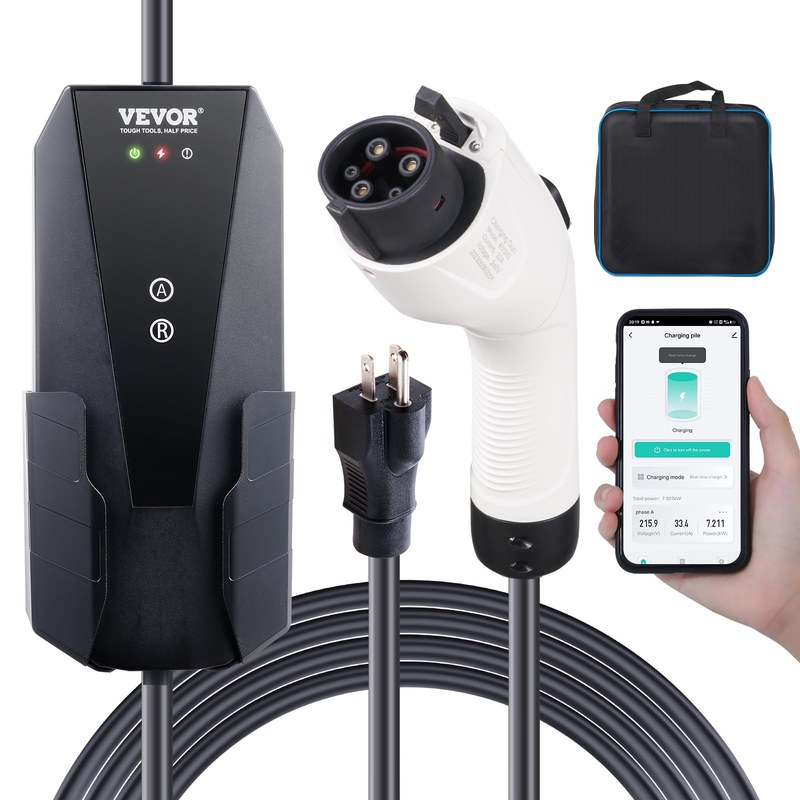
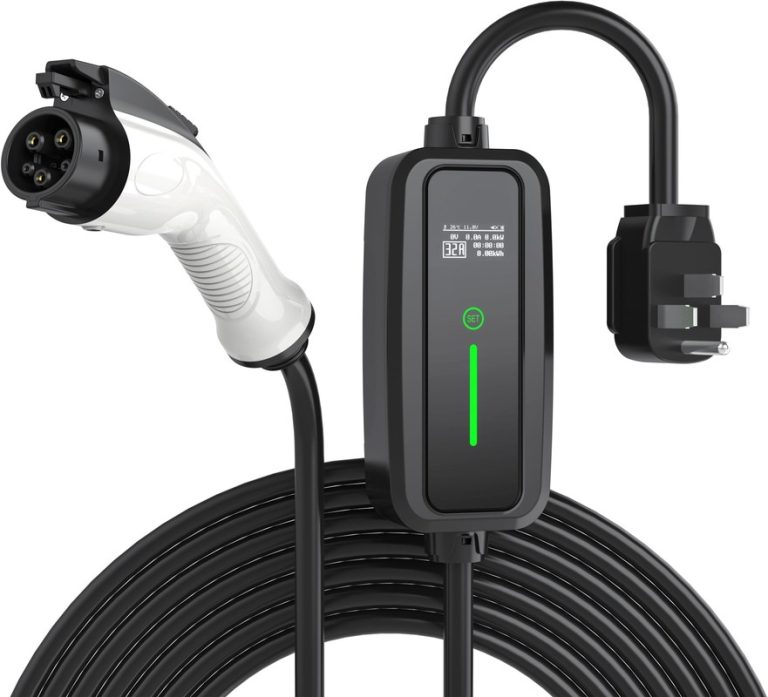
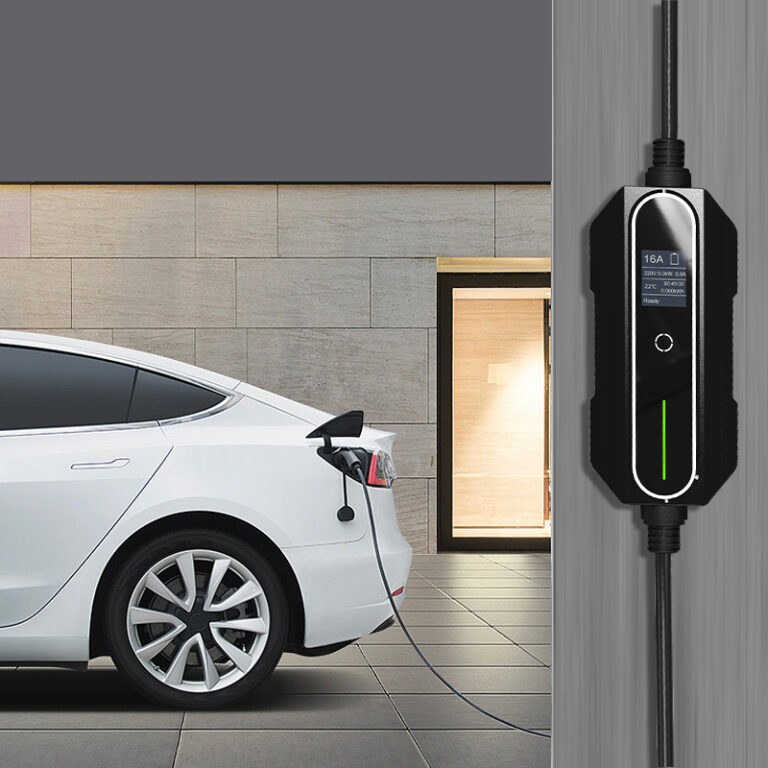
A portable EV charger — more accurately called portable EVSE, or electric vehicle supply equipment — is a cordset that negotiates with your car and passes AC power through to the vehicle’s onboard charger. It is not a magic box that pushes current into the battery. When it is safety-listed, rated for the circuit it is plugged into, and operated within its stated temperature and weather limits, it is a normal household appliance with an unusually long cord.
The safety record of portable EVSE is generally good because the equipment is designed conservatively. The charger tells the car how much current is available, the car’s onboard charger accepts only what it can handle, and the circuit’s breaker protects the wiring. Three layers have to fail at once for a serious incident.
No—When Outlet, Adapter, or Extension-Cord Limits Are Ignored
The failure stories usually involve one of four things: a worn or cheap receptacle that was never rated for continuous high-current draw, an undersized circuit, a household extension cord, or an adapter that changes the plug shape without changing what the circuit can actually deliver. None of those are the charger’s fault, and all of them are avoidable.
The Three Safety Layers: EVSE, Vehicle, and Building Electrical
Think of portable charging as a chain. The EVSE handles ground-fault detection, pilot-signal communication, and thermal monitoring. The vehicle manages the battery, the onboard charger, and its own charge profile. The building electrical system — panel, breaker, wiring, and receptacle — supplies and protects the circuit. Weakness anywhere in that chain shows up as heat, nuisance tripping, or worse.
How Portable EV Chargers Work: EVSE, Connectors, and Vehicle Limits
Level 1 vs. Level 2 Portable Charging: 120V and 240V Differences
Level 1 portable charging uses a standard 120 V household outlet. It is slow — typically adding only a few miles of range per hour — but it needs no special wiring and is the safest default for renters and travelers. Level 2 portable charging uses 240 V, the same voltage class as an electric range or dryer, and can add meaningfully more range per hour. It also demands a properly rated 240 V receptacle and circuit.
Portable EVSE vs. the Vehicle’s Onboard Charger
This is the distinction most often blurred in marketing. The portable EVSE is the cord and control box. The onboard charger is inside the car and converts AC to DC for the battery. The EVSE advertises available current; the onboard charger decides how much it will actually accept. A 40 A portable unit cannot force a car with a 32 A onboard charger to take 40 A.
Connector Types, EVSE Amperage, and kW Ratings in the U.S.
Most portable Level 2 units sold in the United States use a J1772 connector, which fits every non-Tesla EV built for the North American market and Teslas via the supplied adapter. NACS (SAE J3400) is now the native inlet on newer Tesla vehicles and a growing number of other brands. Adapters exist in both directions, but physical fit alone never proves that AC charging is supported by the combination.
Important: Physical fit alone does not prove every AC or DC charging mode is supported. Verify adapter direction and AC/DC support in the vehicle and EVSE documentation.
Why the Vehicle’s Onboard Charger Often Caps Real Charging Speed
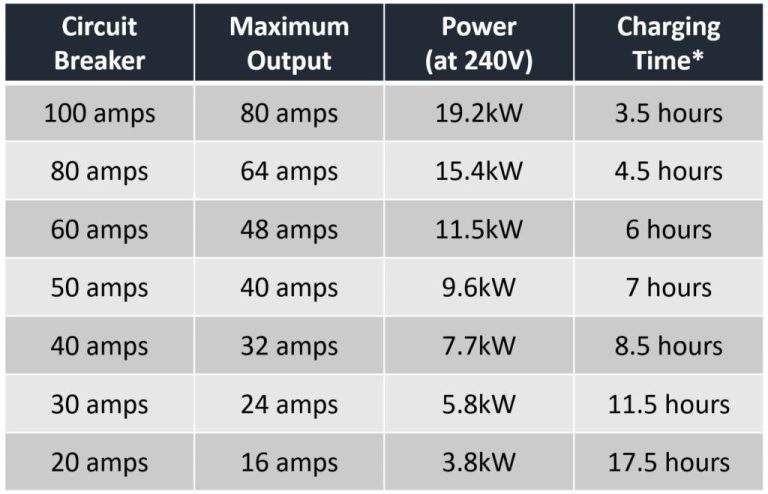
Many mainstream EVs accept 7.2 kW to 11.5 kW of AC power, which corresponds to roughly 32 A to 48 A at 240 V. If your car tops out at 32 A, buying a 40 A or 48 A portable charger will not shorten your charge time. It will simply run below its rating. Match the EVSE to the vehicle, then match the circuit to the EVSE. If you are weighing amperage tiers, our breakdown of whether 40 amps is enough for a Level 2 EV charger walks through the real-world differences.
Portable vs. Hardwired EV Chargers: Safety and Performance Compared
Safety Criteria: GFCI, Thermal Protection, and Enclosure Ratings
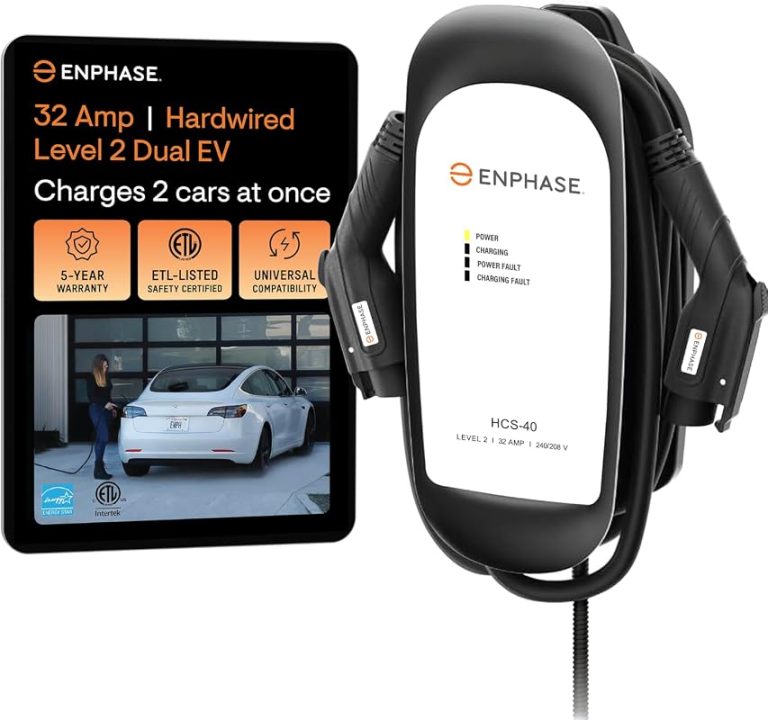
Portable EVSE typically includes ground-fault circuit-interruption protection inside the unit, plus thermal sensors in the plug and connector. Hardwired units often rely on the branch circuit’s GFCI breaker or an internal one, and they eliminate the plug-and-receptacle interface — historically one of the weakest links in any high-current connection. Both approaches can be safe; the plug-in version simply adds a component that can wear out.
Power Criteria: Amperage, kW, and Continuous-Load Behavior
EV charging is a continuous load, which is why code and manufacturer instructions treat it differently from a dryer or oven that cycles on and off. Portable EVSE is generally available in the 12 A to 40 A range, with some 40 A and 48 A plug-in models on the market. Hardwired units commonly reach 48 A and above. Higher amperage is not automatically better if the vehicle or panel cannot support it.
Installation and Cost Criteria: Plug-In vs. Hardwired
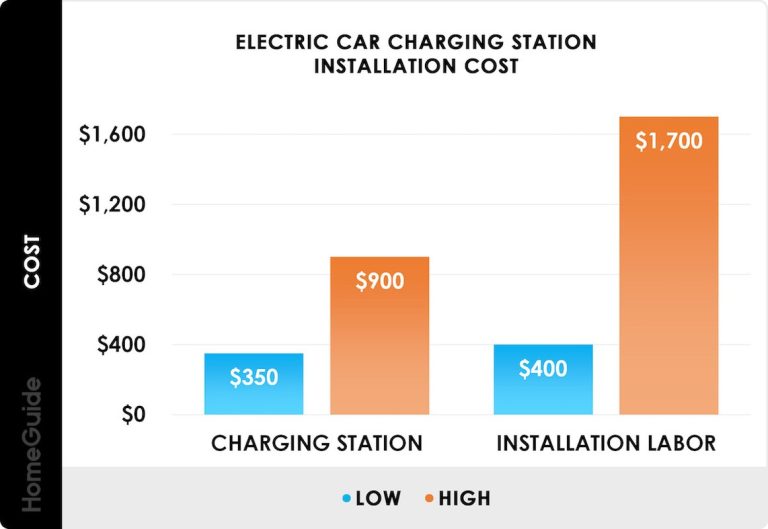
Plug-in charging requires an appropriate receptacle, which may already exist or may need to be installed. Hardwired charging requires an electrician, a dedicated circuit, and usually a permit and inspection. Hardwiring typically costs more up front but removes the receptacle as a wear point and often supports higher continuous current.
Portable and removable. Requires a correctly rated receptacle and dedicated circuit; the plug and outlet become wear points over years of daily use.
Permanent and typically higher output. Needs an electrician, dedicated circuit, and often a permit; no receptacle interface to degrade.
Who Each Option Fits
Renters, apartment dwellers, travelers, and households that need occasional charging at a second location are the natural portable audience. Homeowners who charge nightly at the same spot, drive long daily distances, or want maximum AC speed are usually better served by a hardwired unit — see our roundup of 48 amp Level 2 EV chargers for home charging for that use case.
Electrical Requirements: Follow the Manual and Local Code, Not Internet Rules of Thumb
Outlet Types, Dedicated Circuits, and Portable EVSE Plugs
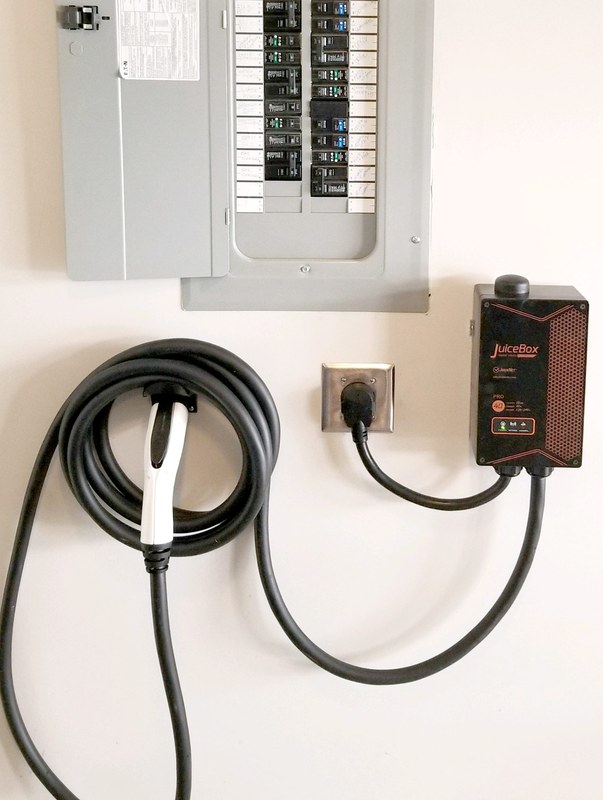
Portable Level 2 EVSE typically ships with a NEMA 14-50 or NEMA 6-50 plug, and some models offer interchangeable plug adapters for 14-30, 10-30, or 6-20 receptacles. Each plug type corresponds to a different circuit rating and wiring configuration. Whether a circuit must be dedicated to EV charging is determined by the equipment instructions and the electrical code your jurisdiction has adopted — not by what a forum post says worked for someone else.
Breaker, Wire, and Panel Load: What a Licensed Electrician Must Verify
An electrician needs to confirm available panel capacity, conductor size, breaker rating, grounding, and whether the service can absorb another continuous load. A load calculation is the standard tool for this. If you want to see how the math works for one common configuration, our explainer on whether a 48 amp EV charger needs a 60 amp circuit shows why the breaker, the wire, and the EVSE setting all have to agree.
Permits, Inspections, and Property or Rental Rules
Many jurisdictions require a permit for a new 240 V circuit, and inspections are how the work gets verified. Renters and condo owners also need to check lease terms, HOA rules, and whether the property owner permits an outlet installation. Skipping this step can mean removing the work later at your own expense.
Outdoor Use, Cable Length, and Weather Safety
NEMA Ratings, IP Ratings, and What “Weatherproof” Really Means
NEMA enclosure ratings and IP ratings describe resistance to dust and water — not to being submerged, run over, or left plugged in during a flood. “Weatherproof” in marketing copy is not a rating. Check the actual rating in the manufacturer’s documentation and confirm the specific operating temperature range.
Cable Length, Voltage Drop, and Trip Hazards
Longer cables are convenient but should not be extended with a second cord. Voltage drop over a long run can cause the EVSE to reduce current or fault. Route cables so they do not cross walkways, and use a holster or hook so the connector is not resting on the ground where it can collect water and grit.
Temperature Extremes, Snow, Rain, and Direct Sun
Cold slows the battery and can stiffen cables; heat stresses connectors and electronics. Many manufacturers specify operating ranges and warn against charging in standing water. Store the connector in its holster or a dry location when not in use, and never bury a connector in snow or leave it in a puddle.
Adapters, Outlets, and Extension Cords: Where Portable Charging Gets Risky
Adapter Direction and AC vs. DC: Never Assume Compatibility
Adapters are directional. A J1772-to-NACS adapter for AC charging is not the same product as a CCS1-to-NACS adapter for DC fast charging, and using one in the wrong role can be dangerous or simply non-functional. Always confirm the adapter’s stated purpose, the vehicle-side inlet, and the EVSE-side connector before plugging in.
Source Connector, Destination Connector, and Power-Limit Checks
Before charging, confirm three things: what the source provides, what the destination accepts, and what the power limit is. Some adapters and vehicles restrict charging current when adapted. Some networks or vehicle firmware require specific handshakes. If any of the three is unclear, do not charge.
Thermal Risks, Vehicle Restrictions, and Network/Firmware Requirements
Adapters add resistance at every connection point, and resistance means heat under continuous load. That is why reputable adapters are rated for a specific continuous current and why using one to exceed that rating is a genuine fire risk. Vehicle software may also refuse to charge through an unrecognized adapter.
Why Extension Cords Are Usually a Bad Idea for EV Charging
Household extension cords are built for intermittent loads and short runs. EV charging is a continuous load that can run for hours at the circuit’s maximum. Undersized conductors, worn plugs, and coiled cords all generate heat. Even heavy-duty cords introduce an extra connection that the EVSE was never designed to see.
Smart Features, Warranties, and Support: What Actually Improves Safety
Smart Features That Matter: Scheduling, Load Management, and Alerts
Useful smart features are the boring ones: scheduled charging to avoid peak hours, current limiting so the EVSE never exceeds what the circuit can supply, and fault or over-temperature alerts. Cloud-dependent features are less useful if the app or service is unavailable — check whether the unit still charges normally without connectivity.
Warranty, Support, and Firmware Updates in 2026
Look at the US warranty term, whether support is reachable in your time zone, and whether the manufacturer publishes firmware updates. A charger that cannot receive updates may fall behind on compatibility as vehicles and standards evolve.
Certifications and Evidence Limits: UL, ETL, and Independent Testing
A safety listing from a recognized testing laboratory is the single most useful documentation check. Verify the mark on the product and, where possible, in the certification body’s public listing — not just on the seller’s page. A listing confirms the unit met a specific standard; it does not confirm your circuit is adequate. For an example of how listing claims should be verified, see our review of the ETL-certified Lectron Level 2 EV charger.
Battery Health, Charging Losses, and Cost: What Portable Charging Changes
Manufacturer Guidance vs. General Battery Patterns
Follow your vehicle manufacturer’s charging guidance first. General patterns — avoiding prolonged time at very high or very low state of charge, preferring moderate temperatures — are useful context, but they are not universal rules and they vary by chemistry and thermal-management design.
Temperature, State of Charge, Charging Power, Chemistry, and Thermal Management
AC charging at moderate power is generally gentler than DC fast charging, but the dominant variables are battery temperature and how long the pack sits at extreme state of charge. A car with active liquid thermal management handles heat differently from one with passive cooling.
DC Fast Charging Context and Convenience Trade-Offs
Portable AC charging is not a substitute for DC fast charging on a road trip, and it is not meant to be. Its value is overnight and destination charging where the car sits for hours anyway.
Cost Assumptions: Electricity Rate, kWh Delivered, and Charging Losses
Home charging cost is roughly your electricity rate multiplied by the kWh delivered, plus losses. AC charging losses typically add a few percent, and cold weather increases them. Rates, taxes, and fees vary by utility and season, so verify your current rate before estimating.
Time-of-Use Pricing, Equipment, and Installation Costs
Time-of-use plans can cut the per-kWh cost of overnight charging substantially, but they can also raise daytime rates. Weigh the plan against your actual driving pattern, then add equipment cost, any receptacle or circuit installation, and permits.
Range and Efficiency: mi/kWh, Speed, Weather, HVAC, Elevation, Payload, Tires, Battery Temperature, and Charging Losses
Miles added per hour of charging depends on the vehicle’s mi/kWh, the EVSE’s delivered power, and losses. Published mi/kWh figures are estimates under test conditions; real results shift with speed, temperature, HVAC use, elevation, payload, tire pressure and type, battery temperature, and state of charge.
How to Choose and Use a Portable EV Charger Safely in 2026
Mark Reynolds’ Pre-Purchase Checklist for U.S. Drivers
Work through compatibility, circuit, and documentation before you compare prices. The cheapest mistake-free purchase is the one that matches your car and your panel.
- Confirm your vehicle’s inlet and its maximum AC charging capability
- Verify the EVSE’s connector, amperage settings, and plug type
- Confirm the receptacle and circuit can support the EVSE’s maximum setting
- Check the safety listing, US warranty, and support channels
- Confirm indoor/outdoor rating, cable length, and operating temperature range
- Budget for installation, permits, and electricity — not just the hardware
Daily-Use Habits That Reduce Risk
Inspect the plug and connector for heat damage, discoloration, or looseness. Keep the connector off the ground. Do not coil a warm cable tightly. Reduce the EVSE’s current setting if a circuit is shared or the plug runs warm. If a breaker trips repeatedly, stop and investigate rather than resetting it again.
When to Skip Portable Charging and Call an Electrician
Call a qualified electrician if the receptacle is warm to the touch, if the plug does not seat firmly, if the breaker trips more than once, if you need a new 240 V circuit, or if you are considering any adapter or extension-cord workaround. Mains-voltage work is not a do-it-yourself category.
- Renters and travelers who need occasional charging
- Households with an existing, correctly rated 240 V receptacle
- Drivers who want a backup cordset for a second location
- Nightly high-mileage charging without a dedicated circuit
- Anyone tempted to use an extension cord or plug adapter
- Cars whose onboard charger already caps below the EVSE rating
- Best for: Occasional and destination charging where a correctly rated outlet already exists.
- Think twice if: You would need an extension cord, a plug adapter, or a new circuit you have not had inspected.
- Next step: Confirm your vehicle’s onboard-charger limit and have a licensed electrician verify the receptacle and circuit before your first charge.
Frequently Asked Questions
Yes, when the unit is safety-listed, plugged into a correctly rated receptacle on a dedicated circuit, and operated within its stated temperature and weather limits. EV charging is a continuous load, so the receptacle and wiring matter more than the duration. If the plug or outlet feels warm, stop charging and have an electrician inspect it.
No. Household extension cords are designed for intermittent loads, and EV charging can run for hours at the circuit’s maximum. Undersized conductors, worn plugs, and coiled cords generate heat, and the extra connection point is not part of the EVSE’s design. If you cannot reach an outlet, have the correct receptacle installed.
That depends on the equipment instructions and the electrical code your jurisdiction has adopted. Many Level 2 installations use a dedicated circuit because EV charging is a continuous load, but requirements vary. A licensed electrician should confirm the circuit, breaker, conductor size, and panel capacity for your specific setup.
Look for a listing mark from a recognized testing laboratory, such as UL or ETL, and verify it in the certification body’s public listing rather than relying on seller copy. A listing confirms that model met the applicable EVSE standard. It does not confirm that your home’s circuit is adequate.
Both can be safe when used as designed. Level 1 at 120 V is slower but requires no special wiring, which makes it the lower-risk default for renters and travelers. Level 2 at 240 V delivers more power and therefore places more demand on the receptacle, circuit, and panel — so the electrical setup deserves more scrutiny.
AC charging through a portable EVSE is generally gentler than DC fast charging, and the vehicle controls the charge profile regardless of which cordset is connected. Battery wear is driven mainly by temperature, time spent at extreme state of charge, and overall charging patterns. Follow your manufacturer’s guidance rather than a universal rule.

One Comment