Outdoor EV Charger Installation: What Homeowners Should Know
Outdoor EV charger installation works best when the EVSE matches the vehicle’s AC inlet and onboard charger limits, the panel and circuit can safely support the load, and the mounting spot meets the unit’s weather rating and local code. The main check is confirming the vehicle’s real AC charging ceiling and the panel’s spare capacity before buying equipment.
Outdoor EV charger installation is less about picking a box off a shelf and more about matching four things: the vehicle’s AC inlet and onboard charger, the electrical panel and circuit, the parking spot’s weather exposure, and your local code and permit rules. Get those aligned first, and the equipment decision becomes far simpler.
- Compatibility: Match the EVSE connector and amperage to the vehicle’s AC inlet and onboard charger.
- Performance: A 48-amp EVSE cannot exceed the vehicle’s onboard charger ceiling; charging losses also reduce.
- Safety: New circuits, hardwiring, and panel work require a licensed electrician, permit, and inspection in.
- Cost: Off-peak scheduling and correct equipment sizing often matter more to lifetime cost than the.
Outdoor EV Charger Installation: What Homeowners Should Know First
The Short Answer: Match the EVSE to the Vehicle, the Panel, the Parking Spot, and Local Code
The EVSE (electric vehicle supply equipment) is the wall or post unit often called “the charger.” The actual charger that converts AC to DC sits inside the vehicle. That distinction matters because a 48-amp outdoor EVSE cannot force more power into a car whose onboard charger is limited to, say, 32 or 40 amps.
Four checks decide most installations: what connector the vehicle accepts, how much AC power the vehicle can actually take, what the electrical panel and circuit can safely support, and whether the chosen spot meets the EVSE’s weather and mounting requirements. Local permitting and inspection requirements sit on top of all of it.
When to Call a Licensed Electrician and Pull a Permit in the U.S.
Any work that involves new circuits, breakers, hardwiring, or panel changes is safety-sensitive and generally requires a licensed electrician plus a permit and inspection. Requirements vary by state, county, and city, and some utilities add their own notification or program rules for EV charging loads.
Even a plug-in unit on an existing outlet deserves a professional review if the outlet is old, shared, or not on a dedicated circuit. A qualified electrician can confirm panel capacity, grounding, and overcurrent protection before anything is energized.
Vehicle Limits Before Charger Shopping: Connector, Onboard Charger, and Adapter Direction
Source and Destination Connectors: J1772, NACS, and Adapter Direction for AC Outdoor Charging
Level 2 AC charging in North America uses either a J1772 connector or the newer NACS / SAE J3400 connector. Many newer EVs ship with a NACS inlet, while a large installed base of vehicles and public stations still uses J1772.
Adapter direction matters. A J1772-to-NACS adapter lets a NACS vehicle plug into a J1772 EVSE; the reverse adapter serves a J1772 vehicle on a NACS EVSE. Not every adapter supports every mode, so verify the specific product’s AC or DC rating and the vehicle’s approved accessories list before relying on one outdoors.
Important: Physical fit alone does not prove every AC or DC charging mode is supported.
Onboard Charger Limits: Why a 48-Amp Outdoor EVSE May Not Deliver 48 Amps to the Battery
The onboard charger is the ceiling. If a vehicle’s onboard charger tops out at 11 kW, a 48-amp EVSE at 240 V (about 11.5 kW) will not push past that limit. Charging losses through the cable, EVSE, and onboard charger also mean less energy reaches the battery than the wall delivers.
Check the vehicle’s maximum AC acceptance rate before choosing EVSE amperage. Buying more EVSE capacity than the car can use is not dangerous, but it is often wasted money.
EVSE Amperage, kW, and Circuit Planning Without Universal Breaker or Wire Claims
Reading the Product Manual: Continuous Load, Dedicated Circuit, and GFCI Requirements
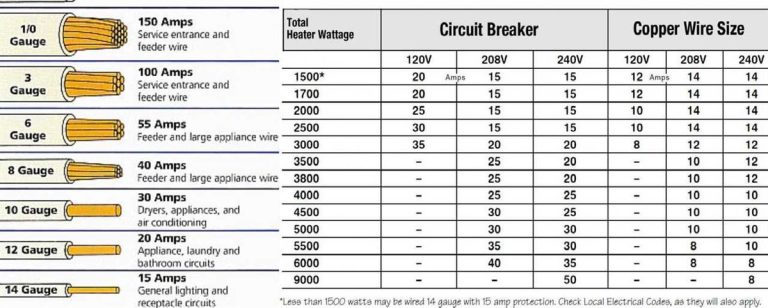
EV charging is treated as a continuous load, which is why EVSE instructions and local code typically require a dedicated circuit sized above the charging current. The exact breaker and conductor sizing depends on the specific unit, the wiring method, ambient temperature, and the adopted code edition.
Receptacle-based outdoor installs also raise GFCI questions that vary by jurisdiction and code cycle. The manufacturer’s installation manual and the local AHJ are the two documents that settle these details — not forum posts or generic rules of thumb.
For a deeper look at conductor sizing, see our guide to 48 amp EV charger wire size, and for the breaker question specifically, our breakdown of whether a 48 amp EV charger needs a 60 amp circuit.
Plug-In vs. Hardwired Outdoor EV Chargers: Side-by-Side Criteria and Who Each Fits
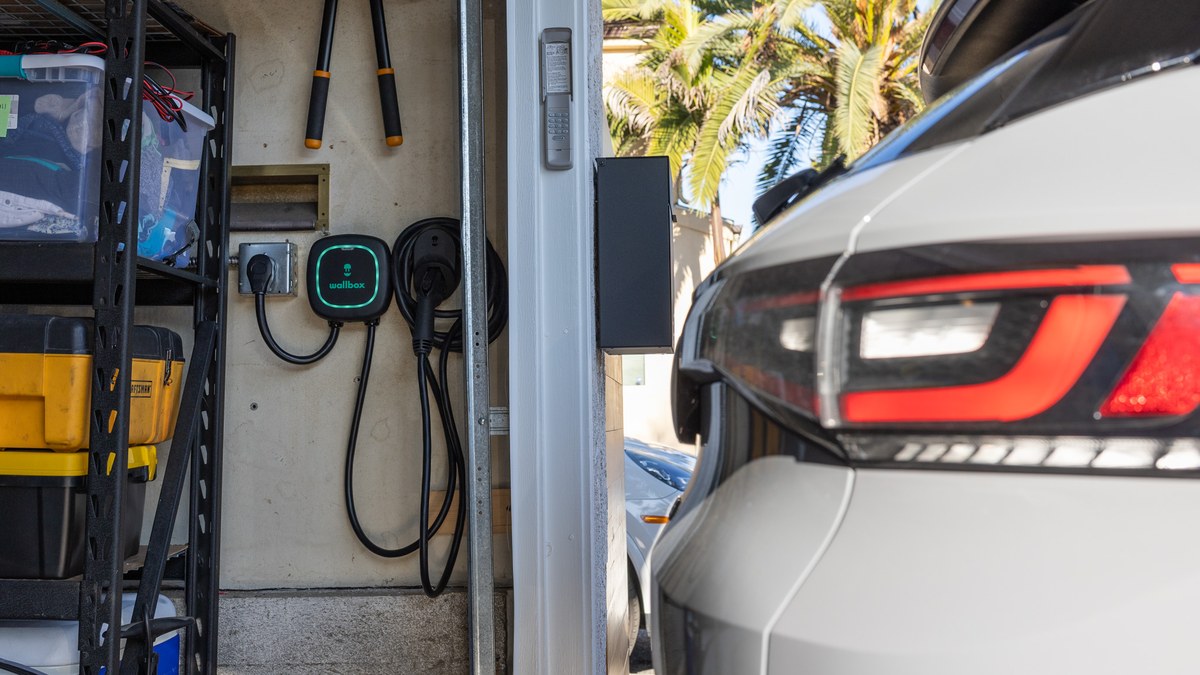
Plug-in units are easier to move or replace and can be unplugged for service, but they depend on a compatible receptacle and often face stricter GFCI and outdoor-enclosure rules. Hardwired units remove the plug-and-receptacle interface, which many installers prefer for higher-amperage outdoor use.
Best when the EVSE may move between homes or be swapped later. Requires a compatible receptacle, a dedicated circuit, and attention to outdoor GFCI and enclosure requirements.
Best for permanent outdoor installs at higher amperage. Removes the plug interface, typically needs a licensed electrician, and usually supports the EVSE’s full rated output.
Panel Capacity, Load Management, and Permits: What Local Code and Your Utility May Require
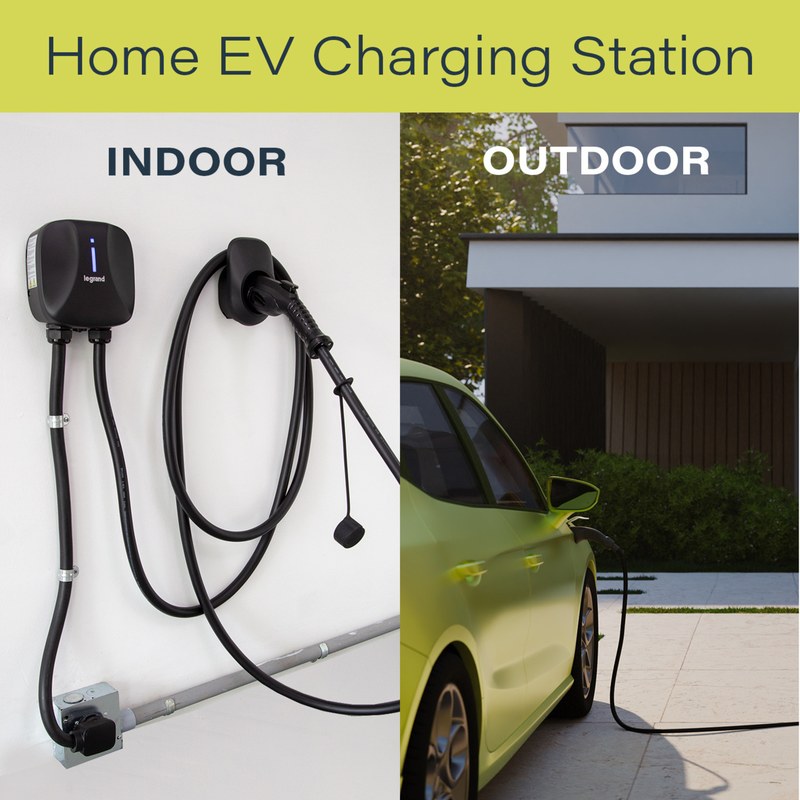
When a Panel Upgrade Is Discussed—and Why It Is Not Automatically Needed
A panel upgrade is sometimes recommended when the calculated load leaves no room for the new EV circuit. It is not automatic. Many homes can support an EVSE after a proper load calculation, and some situations are solved with a smaller EVSE setting or a load-management device instead.
The right answer depends on the service size, existing major loads, the adopted code, and the utility’s rules. Ask the electrician to show the load calculation rather than accepting a panel-upgrade quote on faith.
Smart Load Management vs. Service Upgrade: Same Criteria, Different Homeowner Fits
Smart load-management hardware can throttle or pause the EVSE when the home’s total draw approaches a limit, potentially avoiding a service upgrade. It adds a device and configuration step, and utility approval may be required. A service upgrade is more invasive but removes the constraint permanently.
Outdoor Placement, Cable Length, Weather Rating, and Physical Protection
NEMA Enclosure Ratings, Rain, Snow, Sun, and Freeze-Thaw Considerations
Outdoor EVSE should carry an enclosure rating that matches the exposure — commonly a NEMA Type 3R or Type 4 style rating, though the exact rating must come from the product label and manual. The rating covers the enclosure, not the connector or the cable’s long-term UV behavior.
Operating-temperature limits, connector storage guidance, and any manufacturer restrictions on direct sun or snow load should be verified in the manual before mounting.
Cable Management, Connector Holsters, Parking Geometry, and Accessibility
Cable length should comfortably reach the vehicle’s charge port in the position it is normally parked, with slack for winter clothing and awkward angles. A holster keeps the connector off the ground, away from snow, standing water, and driveway traffic.
Mount height, walkway clearance, and vehicle approach angle matter more than most buyers expect. A unit that is technically weather-rated can still be a daily annoyance if the cable drags or the connector is hard to reach.
Smart Features, Warranty, and Support: What to Compare After the Installation Quote
Wi-Fi, Cellular, Scheduling, Load Sharing, and Time-of-Use Integration
Smart EVSE features vary widely. Wi-Fi-only units depend on the home network; cellular units avoid that but may carry subscription terms. Scheduling, load sharing across two units, and utility time-of-use integration can reduce electricity cost, but only if the local utility program supports the specific hardware.
Ask what happens if the cloud service or app is unavailable. A unit that still charges on a default schedule is more resilient than one that requires an active account to deliver power.
Warranty Terms, Service Network, Firmware Updates, and Outdoor EVSE Support
Compare the US warranty term, what it covers (unit only vs. installation), how firmware updates are delivered, and whether US-based support exists. Outdoor exposure can stress connectors and enclosures, so a clear service path matters more than a long headline warranty.
Outdoor EV Charging Costs: Assumptions, Formulas, and Installation Budget
Electricity Rate, kWh Delivered, and Charging Losses: Formula and Assumptions
The basic formula is simple: cost = (energy added to the battery ÷ charging efficiency) × electricity rate. Charging losses of roughly 5–15% are commonly cited for Level 2 AC charging, but the real number depends on the vehicle, EVSE, cable, and temperature.
Assumptions: 40 kWh delivered to the battery, 10% loss, $0.16/kWh flat rate. Rates, taxes, fees, time-of-use pricing, and losses vary by utility and vehicle.
Time-of-Use Pricing and Off-Peak Scheduling Math for Outdoor Charging
If off-peak electricity is $0.08/kWh and peak is $0.32/kWh, shifting 40 kWh of charging from peak to off-peak saves roughly $9.60 per session before losses. Over a month of similar sessions, that difference often dwarfs the price gap between two comparable EVSE units.
Equipment and Installation Cost Ranges: What Changes the Quote in 2026
Installation quotes vary widely based on run length, conduit, trenching, panel work, permit fees, and whether the unit is hardwired. Equipment prices and labor rates change, so current numbers should be verified with local installers and current product listings rather than treated as fixed.
Battery Health and Outdoor Charging: Manufacturer Guidance vs. General Patterns
Temperature, State of Charge, and Charging Power in Cold and Hot Weather
Cold weather can slow AC charging and reduce the energy that reaches the battery; hot weather can trigger thermal management that also slows charging. Many vehicles precondition the battery or derate power to protect cells, and the exact behavior comes from the manufacturer’s guidance.
Chemistry and Thermal Management: Why Two EVs Respond Differently to Outdoor Charging
Battery chemistry, pack size, and whether the vehicle uses liquid or air thermal management all affect how an EV handles outdoor temperature swings. A vehicle with active thermal management may behave very differently from one without it, even in the same driveway.
DC Fast Charging Context and Daily AC Charging Convenience Trade-Offs
DC fast charging is a different mode from home AC charging and stresses the pack differently. For daily use, AC charging at home is generally the more convenient and gentler option, while DC fast charging is best reserved for road trips or top-ups when needed.
Range and Efficiency in Real Conditions: Wh/mi, Speed, Weather, HVAC, Elevation, Payload, and Tires
Real-world efficiency in Wh/mi depends on speed, temperature, HVAC use, elevation change, payload, tire type and pressure, and battery state. Charging losses add a small premium on top of the energy the vehicle actually uses on the road.
Adapters, Compatibility, and Troubleshooting for Outdoor EV Charger Installation
AC vs. DC Adapter Rules, Vehicle and Network Restrictions, and Power Limits
AC and DC adapters are not interchangeable. An adapter rated only for AC Level 2 must not be used on a DC fast charger, and vice versa. Vehicle manufacturers and charging networks may restrict which adapters are approved, and some limit power through the adapter.
Thermal, Firmware, and Vendor Requirements Before Using Any Adapter
Adapters add a connection interface that can heat up under continuous load. Check the adapter’s temperature rating, the vehicle’s approved accessory list, and any firmware requirements before using one outdoors. If a connector or adapter feels unusually warm, stop charging and have the setup inspected.
For readers comparing portable options for occasional outdoor use, our overview of what a portable EV charger is and how it works covers the basics, and our roundup of 48 amp hardwired EV chargers is useful for permanent outdoor installs.
Frequently Asked Questions
In most US jurisdictions, adding a new circuit, breaker, or hardwired EVSE requires a permit and inspection. Plug-in units on an existing dedicated circuit may still need review depending on local rules. Confirm with your local authority having jurisdiction before work begins.
Mains-voltage work involving new circuits, panels, or hardwiring is safety-sensitive and typically requires a licensed electrician. Some homeowners handle mounting and cable routing, but the electrical connection, permit, and inspection should be handled by a qualified professional.
Outdoor EVSE commonly carries a NEMA Type 3R or Type 4 style enclosure rating, but the exact rating depends on the product. Check the unit’s label and manual for the verified rating, operating-temperature limits, and any manufacturer restrictions on mounting location.
Only if the vehicle’s onboard charger accepts more than 40 amps of AC input. Many EVs cap AC charging at 32, 40, or 48 amps. If the vehicle’s ceiling is 40 amps, a 48-amp EVSE delivers no additional speed at the battery.
Cost depends on run length, conduit, trenching, panel work, permit fees, and whether the unit is hardwired. Equipment and labor prices change, so verify current quotes with local licensed electricians and current product listings rather than relying on fixed figures.
Adapters can bridge J1772 and NACS in the correct direction, but AC and DC adapters are not interchangeable. Verify the adapter’s AC rating, the vehicle’s approved accessory list, and any power limits before use. If a connector or adapter runs unusually warm, stop charging and have it inspected.