48 Amp EV Charger Wire Size: What Gauge Wire Do You Need?
For a 48 amp EV charger, you typically need a 60-amp circuit with 6 AWG copper wire, but the exact wire size can vary based on wire type, run length, and local electrical code. The key decision is ensuring the charger, breaker, and wiring are all properly matched by a licensed electrician to avoid overheating, voltage drop, and installation issues.
48 amp ev charger wire size is one of the first things to get right when you plan a Level 2 home charging setup. The short answer: for a 48 A EVSE on a 240 V circuit, many installations use 6 AWG copper conductors, but the exact wire size depends on the equipment instructions, conductor type, insulation temperature rating, run length, installation method, ambient conditions, and your local electrical requirements.
If you want the practical version right away: a 48 A EVSE is a 60 A continuous load under the NEC 125% rule, so the circuit is typically sized above the charger’s output. But wire sizing is not just about the amp number on the EVSE. It also depends on whether the unit is hardwired or plug-in, whether the run is long, and whether the conductor is copper or aluminum. For a deeper look at the power side of the equation, see our guide on how many kW a 48 amp Level 2 EV charger delivers.
- Compatibility: A 48 amp EV charger needs wiring sized to match the charger and the.
- Charging performance: Proper wire sizing helps the charger deliver its full 48 amp output consistently, supporting.
- Installation and safety: Because 48 amps is a high continuous load, the wire gauge, breaker size, and.
- Cost: Larger-gauge wire and professional installation typically cost more, but correct sizing helps avoid expensive.
- Battery and ownership limits: A 48 amp charger can improve daily charging convenience, but the vehicle’s onboard charger.
What wire size do you need for a 48 amp EV charger?
In many US home installations, a 48 A Level 2 EVSE is installed on a dedicated 240 V circuit with conductors sized for a 60 A continuous load. In practice, that often means 6 AWG copper wire, but that is not a universal rule. The right answer depends on the charger’s installation manual and the electrical code adopted where you live.
Why the answer is not one-size-fits-all:
- EVSE output can be set lower than 48 A on some units.
- Some installations use copper; others may allow aluminum under specific conditions.
- Longer wire runs can require upsizing to reduce voltage drop.
- Indoor, outdoor, conduit, and cable-type requirements can change the choice.
- Local permitting and inspection rules may add requirements beyond the NEC.
Why 48 amps matters for wire sizing

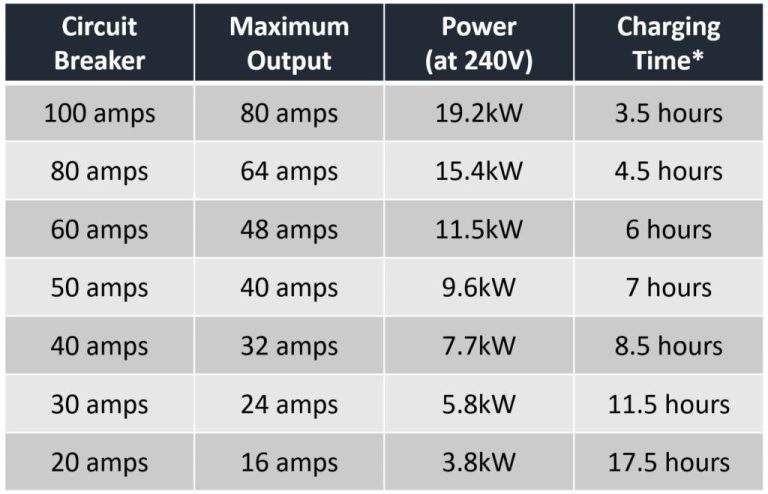
A 48 A EVSE is a continuous load because it can draw near maximum current for hours. That means the branch circuit must be sized above the charging current. In many cases, 48 A output corresponds to a 60 A circuit, because continuous loads are generally sized at 125% of the load current.
That does not mean every 48 A charger uses the exact same wire. It means the circuit design must support the load safely. The final conductor size still depends on the installation details and the charger manufacturer’s instructions.
Typical wire size for a 48 amp EVSE
For many standard home installs, 6 AWG copper is the common answer for a 48 A charger on a 60 A circuit. That said, “common” is not the same as “always correct.”
Here is the practical way to think about it:
- 48 A EVSE output is the charging current setting.
- 60 A circuit is the typical overcurrent-protected branch circuit size for a 48 A continuous load.
- 6 AWG copper is often used to support that circuit under common conditions.
- Longer runs may need larger wire to control voltage drop.
If you are comparing this setup with smaller home chargers, our article on what size wire a 40 amp EV charger needs shows why a lower-amperage EVSE can sometimes reduce installation complexity.
When 6 AWG copper may not be enough
You may need to size up if:
- The wire run is long enough that voltage drop becomes a concern.
- The conductor insulation or installation method limits ampacity.
- The charger manual requires a different conductor size.
- Your electrician must account for ambient temperature or conduit fill.
- Local code adoption or utility rules impose additional requirements.
Wire size is not the same as breaker size
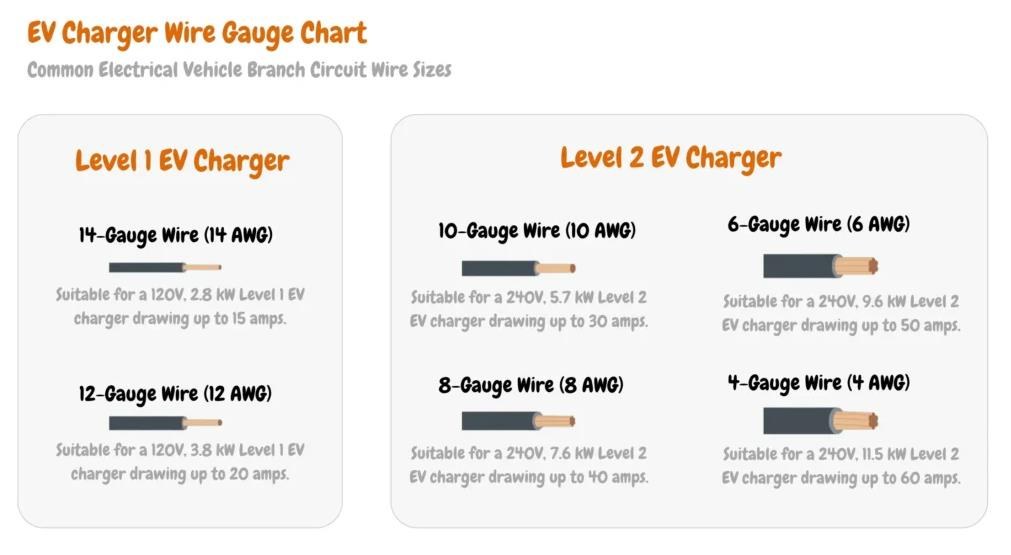
Homeowners often mix up the conductor gauge and the breaker rating. They are related, but they are not interchangeable.
The breaker protects the circuit. The wire must be able to carry the load under the conditions of the installation. If the breaker is oversized for the wire, that is a safety problem. If the wire is undersized for the load, that is also a safety problem.
For breaker-specific details, see our related article on 40 amp EV charger breaker size. It helps show why breaker sizing and wire sizing should be checked together, not separately.
Hardwired vs plug-in: which matters for wire size?
A plug-in EVSE usually needs a properly rated receptacle and matching circuit design. For a 48 A charger, plug-in options are less common than lower-amperage units, and the receptacle requirements can affect installation complexity.
Hardwired EVSEs are common at 48 A because they simplify the high-current connection and may be preferred by some manufacturers. The conductor size, grounding, disconnect, and termination details still need to match the instructions and code requirements.
For either approach, the safest answer is the one in the specific product manual and the local electrical rules. Do not assume a plug style or connector type tells you the wire size.
How wire length affects a 48 amp charger
Even when a wire gauge is acceptable on paper, long runs can create voltage drop. That can reduce charging efficiency slightly and, in some cases, affect performance enough to justify upsizing the conductors.
There is no universal “if the run is X feet, use Y gauge” rule that applies everywhere. Electricians typically consider:
- One-way distance from panel to EVSE
- Conductor material
- Installation method and ambient temperature
- Acceptable voltage drop target
- Manufacturer guidance
Does the vehicle’s onboard charger change wire size?
Not directly, but it changes how much AC power the vehicle can actually use. A 48 A EVSE can only deliver full current if the vehicle’s onboard AC charger accepts it. If the vehicle is limited to 32 A or 40 A AC charging, the EVSE may still be installed on a 48 A-capable circuit, but the car will draw less than the EVSE’s maximum output.
That means the wire size should be based on the EVSE and circuit design, not only on the vehicle’s current charging limit. You still need the circuit to support the EVSE safely, even if your current EV cannot use every amp available.
Connector type does not determine wire size
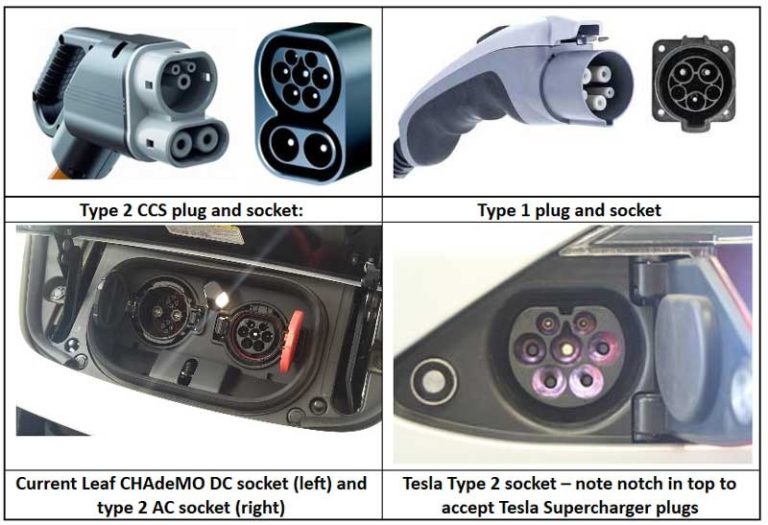
It is easy to focus on NACS, J1772, or CCS1, but connector type does not decide conductor gauge. The wire size is about the electrical load and installation method. Connector compatibility is a separate issue.
Important: Physical fit alone does not prove every AC or DC charging mode is supported.
Outdoor installation and weather considerations
If the EVSE or wiring is going outdoors, you need to verify more than amperage. Check the enclosure rating, connector storage guidance, and the manufacturer’s operating-temperature limits. Also confirm whether the unit is rated for the specific indoor or outdoor use you have planned.
Do not assume a charger is outdoor-safe because it looks weather-resistant. The manufacturer documentation should spell out the approved environment and limitations.
Installation, permits, and electrical safety
Installing a 48 A EVSE is not a casual DIY project for most homeowners. It involves mains voltage, continuous load sizing, proper terminations, grounding, torque specifications, and often a permit and inspection. A qualified electrician is usually the right next step if you are unsure about panel capacity or conductor sizing.
How to think about 48 amp wire sizing step by step
Check the EVSE manual for output current, conductor size, breaker size, and installation type.
Confirm panel capacity, circuit length, receptacle or hardwire needs, and permit requirements.
Follow the manufacturer instructions and applicable electrical requirements, then have the work inspected if required.
Before you buy or install a 48 amp EV charger
- Confirm vehicle inlet and AC/DC compatibility
- Check the vehicle’s maximum AC charging capability
- Verify EVSE amperage and electrical requirements
- Confirm cable length, mounting, and indoor/outdoor suitability
- Verify safety listing, warranty, app requirements, and support
- Include installation, adapter/accessory, and electricity costs
If you are still deciding whether 48 A is the right home charging target, it can help to compare it with a lower-amperage setup. Our guide on whether 40 amps is enough for Level 2 charging is useful for that side-by-side decision.
Bottom line: the most common answer, and the safe answer
The most common wire size for a 48 amp EV charger in a typical US home installation is 6 AWG copper, often on a 60 A dedicated circuit. But the safe answer is always the one supported by the EVSE manual, the conductor type and run length, and your local electrical code.
If you remember only one thing, make it this: 48 A EVSE output does not automatically equal one universal wire size. It sets the starting point, not the final design. A licensed electrician can confirm the right conductor gauge, breaker, and installation method for your home.
- Best for: Homeowners planning a 48 A Level 2 EVSE on a dedicated 240 V circuit and wanting the typical wire-size starting point.
- Think twice if: Your run is long, your panel is tight on capacity, or the EVSE manual specifies a different conductor size.
- Next step: Check the exact installation instructions for your EVSE and have a licensed electrician verify wire gauge, breaker size, and permit needs.
Frequently Asked Questions
A 48 amp EV charger usually requires a dedicated circuit sized for the charger’s continuous load, so the wire gauge must match the breaker size, installation method, and local electrical code. In many cases, this means a heavier-gauge copper conductor, but the exact size should be confirmed by a licensed electrician.
Not always. Your EV must accept 48 amp AC charging, and your home panel must have enough capacity for a properly sized dedicated circuit. If either the vehicle or panel is undersized, the charger may need to be set to a lower output.
Yes. A 48 amp EVSE is a high-power Level 2 setup and should be installed on a dedicated circuit with correctly sized wire, breaker, and outlet or hardwired connection as required. Improper installation can cause overheating or nuisance tripping.
Longer wire runs can increase voltage drop, so the same amp rating may require larger conductors than a shorter run. The safest approach is to have the wire size calculated for the actual distance, installation conditions, and load.
Yes. Undersized wiring can limit safe charging performance, trigger protective shutdowns, or create heat. Properly sized wiring helps the charger deliver stable power, which supports consistent charging and reduces electrical risk.
Only the equipment and connection method matter if they change the electrical load or installation requirements. If an adapter or different EVSE changes the maximum current, the circuit should still be sized to the actual load, and you should not assume the existing wire is adequate without verification.

9 Comments