A 48 amp Level 2 EV charger is typically about 11.5 kW at 240V, but your EV may charge slower if its onboard charger caps AC intake. Before choosing one, verify your vehicle’s max AC rate and your home’s circuit capacity.
how many kw is a 48 amp level 2 ev charger is usually answered with a simple estimate: about 11.5 kW on a standard U.S. 240V home circuit. The exact number can be a little higher or lower depending on voltage, charger design, and what your vehicle can accept.
Key Takeaways
Typical output: 48 amps at 240V equals about 11.52 kW, usually rounded to 11.5 kW.
Real-world limit: Your EV’s onboard charger can cap charging below the charger’s rated output.
Installation matters: Circuit sizing, continuous-load rules, and local code can affect whether 48A is appropriate.
Compatibility check: Confirm connector type, AC charging support, and any adapter needs before buying.
How many kW is a 48 amp Level 2 EV charger? The short answer
For most U.S. home charging setups, a 48 amp Level 2 EV charger delivers about 11.5 kW. That comes from the basic formula of volts × amps ÷ 1000.
At 240 volts, 48 amps works out to 11.52 kW. In everyday use, you can think of it as an 11.5 kW charger, though the real charging rate your EV sees may be slightly lower.
Power & Amperage
48 ACharging current
240 VTypical U.S. supply voltage
11.5 kWApprox. output
Use verified values and distinguish charger setting from circuit capacity.
Why the answer depends on voltage: 240V vs. higher-voltage charging circuits
Why the answer depends on voltage: 240V vs. higher-voltage charging circuits
In the U.S., most Level 2 home charging uses 240 volts, which is why 48 amps is commonly translated to 11.5 kW. But the math changes if the supply voltage changes.
For example, 48 amps at 208 volts is about 10.0 kW, while 48 amps at 240 volts is about 11.5 kW. So if you’re asking about a charger label alone, the amperage does not tell the full story without the circuit voltage.
Evidence Check
Source or methodBasic electrical calculation: volts × amps ÷ 1000.
What it confirmsEstimated output at a given supply voltage.
Important limitationIt does not prove the vehicle will charge at that full rate.
How to calculate charging power from amps: the simple formula EV owners can use
The quick formula is straightforward: kW = volts × amps ÷ 1000. This is the easiest way to estimate Level 2 charging power at home.
If you know the charger current and the circuit voltage, you can estimate power in seconds. Just remember that charging performance is still limited by the EV’s onboard charger and the charging session itself.
48 amps at 240 volts: the common U.S. Level 2 home charging example
This is the most common reference point for a 48 amp charger in the U.S. On a 240V circuit, the calculation is 240 × 48 = 11,520 watts, or 11.52 kW.
That is why many buyers and installers describe a 48 amp Level 2 EVSE as an 11.5 kW home charger. If you are comparing it with lower-amperage units, that number gives you a useful baseline.
Why real-world output can be slightly lower than the nameplate number
The charger’s rating is not always the same as the power the battery receives. Some energy is lost as heat in the charging process, and some vehicles taper current or reduce intake based on battery temperature, state of charge, or onboard charger limits.
That means an 11.5 kW charger is best understood as an approximate input rating, not a guaranteed delivered number. For range planning, use it as a strong estimate rather than an exact promise.
What a 48 amp charger means for your vehicle’s charging speed<
What a 48 amp charger means for your vehicle’s charging speed
/h2>
A 48 amp charger can be a very capable home setup, but your EV decides how much of that power it will actually use. The car’s maximum AC intake matters more than the charger’s headline number.
Vehicle intake limits matter more than charger ratings
If your EV only accepts 7.2 kW or 9.6 kW on AC, a 48 amp charger will not make it charge faster than that. The charger can only offer power up to the vehicle’s onboard charging limit.
This is why it helps to check the vehicle manual or manufacturer charging specs before choosing equipment. A higher-rated charger can still be useful for future-proofing, but it may not change today’s charging speed.
How a 48 amp charger compares with 32A, 40A, and 48A charging
At 240 volts, 32 amps is about 7.7 kW, 40 amps is about 9.6 kW, and 48 amps is about 11.5 kW. That is a noticeable jump in input power as amperage rises.
For many drivers, the difference between 40A and 48A may be meaningful if they regularly arrive home with a low battery and need a faster overnight refill. For others, 32A or 40A is already enough for daily commuting and routine top-offs.
Circuit and installation limits: charger amperage is not the same as breaker size
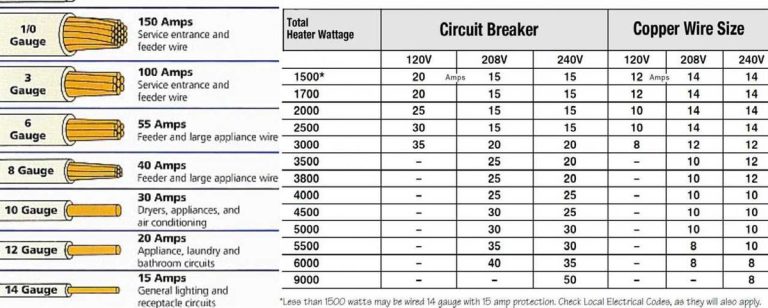
One of the most important things to understand is that a charger’s 48 amp output is not the same thing as the breaker size or circuit rating. Electrical design has to follow the equipment instructions and local code requirements.
EV charging is commonly treated as a continuous load, so the usable charging current and the circuit capacity are not interchangeable. That distinction matters for safety and for proper installation planning.
The 80% continuous-load rule and why it matters for Level 2 charging
For many EV charging installations, the continuous-load rule means the circuit must be sized so the charger can run safely for extended periods. In practical terms, that often means the breaker and wiring need to support more than the charger’s continuous output.
This is why a 48 amp charger is not usually paired casually with just any outlet or existing circuit. The exact installation requirements depend on the charger instructions and the local electrical code adopted in your area.
Why the charger’s output, EVSE rating, and electrical circuit all need to match
There are three separate pieces to verify: the EVSE’s maximum output, the electrical circuit feeding it, and the vehicle’s AC intake limit. If any one of those is lower than the others, that lower limit becomes the real-world ceiling.
For homeowners, this often means confirming panel capacity, dedicated circuit availability, and whether the unit will be plug-in or hardwired. If you are sorting through installation details, our article on 40 amp EV charger breaker size is helpful background on how charger output and circuit sizing relate.
Connector and compatibility basics for U.S. EV own
Connector and compatibility basics for U.S. EV owners
ers
Amperage tells you how much power a charger can offer, but connector compatibility determines whether your vehicle can physically and electrically use it. In the U.S., AC home charging compatibility is usually straightforward, but there are still important distinctions.
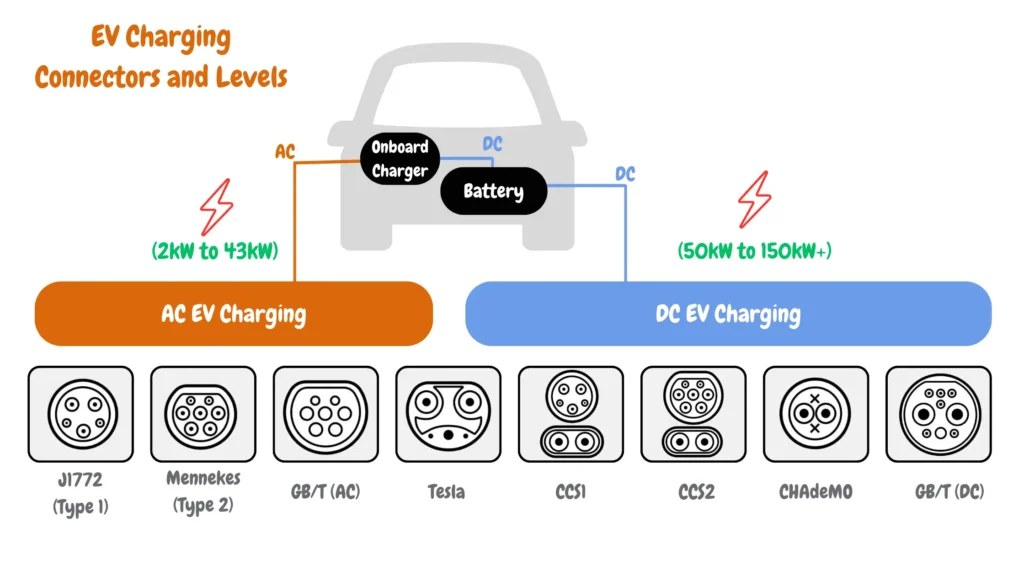
J1772, NACS/SAE J3400, and vehicle-side compatibility for AC charging
Many older and current EVs use J1772 for AC charging, while newer vehicles and many newer charging products are moving toward NACS/SAE J3400 on the vehicle or charger side. The key question is not just what connector the charger has, but what your EV supports for AC charging.
A physical connector match does not automatically prove every charging mode is supported. Always confirm the vehicle inlet and the charger’s AC output compatibility before assuming a 48 amp unit will work as expected.
Connector Check
NACS / SAE J3400Verified compatibility.
J1772Verified compatibility.
CCS1Verified compatibility.
Important: Physical fit alone does not prove every AC or DC charging mode is supported.
When an adapter is relevant and when it is not
An adapter may matter if your vehicle and charger use different AC connector standards. But an adapter does not increase charging speed beyond the lower of the charger’s output and the car’s intake limit.
Also, an adapter for AC charging is not the same thing as a DC fast-charging adapter. Make sure you are matching the correct charging mode, not just the plug shape.
When weather, cable length, and smart features affect performance
Even when the math says 11.5 kW, real home charging can vary with environment and equipment design. Outdoor exposure, cable management, and app features can all influence how convenient and consistent the charger feels day to day.
Outdoor installation, heat, and charging consistency
If the charger is installed outside, weather rating and cable handling matter. Heat can affect electronics and charging behavior, while cold weather can reduce charging efficiency in the vehicle and make the overall session feel slower.
Long cable runs, tight bends, or poor mounting can also make the setup less convenient. For outdoor use, always verify the unit’s enclosure rating and installation guidance rather than assuming any Level 2 charger is automatically weather-ready.
App controls, scheduling, and energy monitoring for better home charging
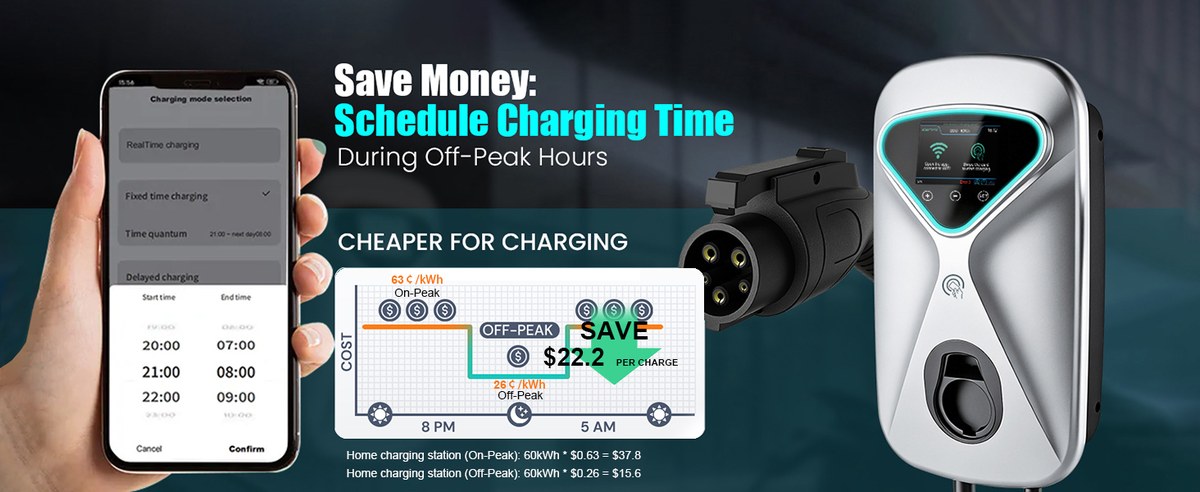
Smart features do not change the charger’s maximum kW, but they can improve how you use it. Scheduling can help you charge during off-peak hours, and energy monitoring can make it easier to understand how much electricity you are using.
For many EV owners, those features are more valuable than a small difference in peak amperage. They help you control cost and convenience even when the vehicle does not need the charger’s full output every night.
Tools / Requirements
Dedicated circuitQualified electricianPermit or inspection may apply
Is a 48 amp Level 2 charger the right choice for your home?
A 48 amp charger makes the most sense when you want the strongest common Level 2 home charging rate and your vehicle can actually use it. It is especially relevant for drivers with larger batteries, frequent daily mileage, or limited overnight charging windows.
But it is not automatically the best choice for every home. The right answer depends on your car, your panel capacity, your installation budget, and how much charging speed you truly need.
When to consider a 40 amp charger instead
A 40 amp charger delivers about 9.6 kW at 240 volts, which is still plenty of power for many U.S. EV owners. If your vehicle’s onboard charger tops out below 11.5 kW, the extra amperage of a 48 amp unit may not improve charging speed at all.
In that case, a 40 amp setup may be the more practical choice because it can reduce installation complexity while still covering daily charging needs. If you are weighing that tradeoff, our breakdown of the 40 amp Level 2 charger can help you compare the options.
Practical next step: confirm your EV’s max AC intake and your home’s electrical setup
Before buying or installing anything, check your EV’s maximum AC charging rate and verify what your home electrical system can support. Those two details will tell you whether 48 amps is truly useful or just a higher number on paper.
If you want a simpler portable option for lower-power or flexible charging, you may also want to compare it with a 40 amp Level 1 and Level 2 portable EV charger. Portable convenience can matter just as much as peak output for some owners.
Final Verdict
Best for: U.S. EV owners who want a strong Level 2 home charging rate and have a vehicle that can accept around 11.5 kW AC.
Think twice if: your EV’s onboard charger is below 11.5 kW or your electrical panel/circuit setup makes a 48 amp install impractical.
Next step: verify your vehicle’s max AC intake and confirm the installation requirements with the charger manufacturer and a qualified electrician.
Frequently Asked Questions
At 240 volts, yes: 48 amps works out to about 11.52 kW. That is why many U.S. home chargers with a 48 amp rating are described as 11.5 kW units.
Only if your car’s onboard charger can accept that much AC power. If the vehicle has a lower intake limit, the charging rate will be capped below the charger’s maximum.
Not every installation is the same, and charger current is not the same as breaker size. Follow the equipment instructions and local electrical requirements, and use a qualified electrician for planning.
Maybe, but only if the outlet, plug, and circuit are specifically approved for that charger and current level. Many 48 amp units are hardwired instead of plug-in because of installation and continuous-load requirements.
At 240 volts, 48A is about 11.5 kW and 40A is about 9.6 kW. That can matter if you need faster overnight charging, but the vehicle’s AC limit may reduce or eliminate the difference.
Not by itself. Battery health depends on many factors, including temperature, how often you charge, and the vehicle’s own charging management, so check the manufacturer’s guidance for your EV.
Hi, I’m Mark Reynolds, an EV charging and ownership writer helping U.S. EV owners make informed decisions about home chargers, adapters, battery care, charging costs, and range. I share clear, practical guidance to make everyday EV ownership simpler.
Quick Verdict For most US homes, a 40 amp EV charger is commonly installed on a properly sized 50 amp circuit with copper conductors, but the exact wire gauge must follow the charger manual, run length, and local code. The key limitation is that wire size cannot be chosen safely from amperage alone. what size…
A 40-amp EV charger draws a continuous load, so we must size its circuit accordingly. A 40-amp EV charger typically requires a dedicated 50-amp double-pole breaker. We also need to match the wire size, charger installation method, panel capacity, and local electrical requirements. The details can change for hardwired equipment, receptacle installations, long cable runs,…
A 40-amp Level 2 EV charger provides up to 9.6 kilowatts when connected to a suitable circuit. You can typically add about 25–35 miles of range per hour, although your vehicle and battery size affect the actual rate. A full charge often takes about 6–10 hours, depending on the battery and how much energy it…
Quick Verdict Yes, many Tesla owners can charge at 40 amps on Level 2 AC if the vehicle, EVSE, and home circuit are compatible. The key limitation is that actual charging current may be lower than the charger’s maximum, depending on the car and conditions. can i charge my tesla at 40 amps is usually…
View on Amazon Quick Verdict A 40 amp EV charger is commonly installed on a 50 amp circuit in U.S. homes, not a 40 amp breaker, because EV charging is treated as a continuous load. The final answer still depends on the charger manual, wire sizing, panel capacity, and local code requirements. what size breaker…