What Size Wire for a 40 Amp EV Charger?
For most US homes, a 40 amp EV charger is commonly installed on a properly sized 50 amp circuit with copper conductors, but the exact wire gauge must follow the charger manual, run length, and local code. The key limitation is that wire size cannot be chosen safely from amperage alone.
what size wire for a 40 amp ev charger depends on the charger’s actual current setting, the circuit design, wire type, run length, and the installation rules that apply where you live. For most US home installations, a 40 amp EV charger is commonly paired with a 50 amp circuit and copper conductors sized by the electrician to match the equipment instructions and local code.
- Typical setup: Many 40 amp chargers use a 50 amp branch circuit, often with copper conductors.
- Code matters: EV charging is commonly treated as a continuous load, so the breaker and wire.
- Long runs change things: Wire length, conduit, and termination temperature ratings can affect the practical conductor choice.
- Verify first: The charger manual, panel capacity, and local electrical rules should be checked before installation.
What Size Wire for a 40 Amp EV Charger? The Short Answer
The short answer is that many 40 amp Level 2 chargers are typically installed on copper conductors sized for a 50 amp branch circuit, but the correct wire gauge is not something to guess from amperage alone. The charger’s manual, breaker sizing, wire length, conduit fill, termination temperature rating, and local electrical code all matter.
In practical terms, a 40 amp charger is often treated as a continuous load, which means the circuit has to be sized with margin rather than set exactly at the charging current. That is why the wire choice is usually tied to the circuit rating and the electrician’s design, not just the EVSE’s output number.
Why a 40 Amp EV Charger Usually Needs a 50 Amp Circuit
Charging Current vs. Breaker and Circuit Capacity
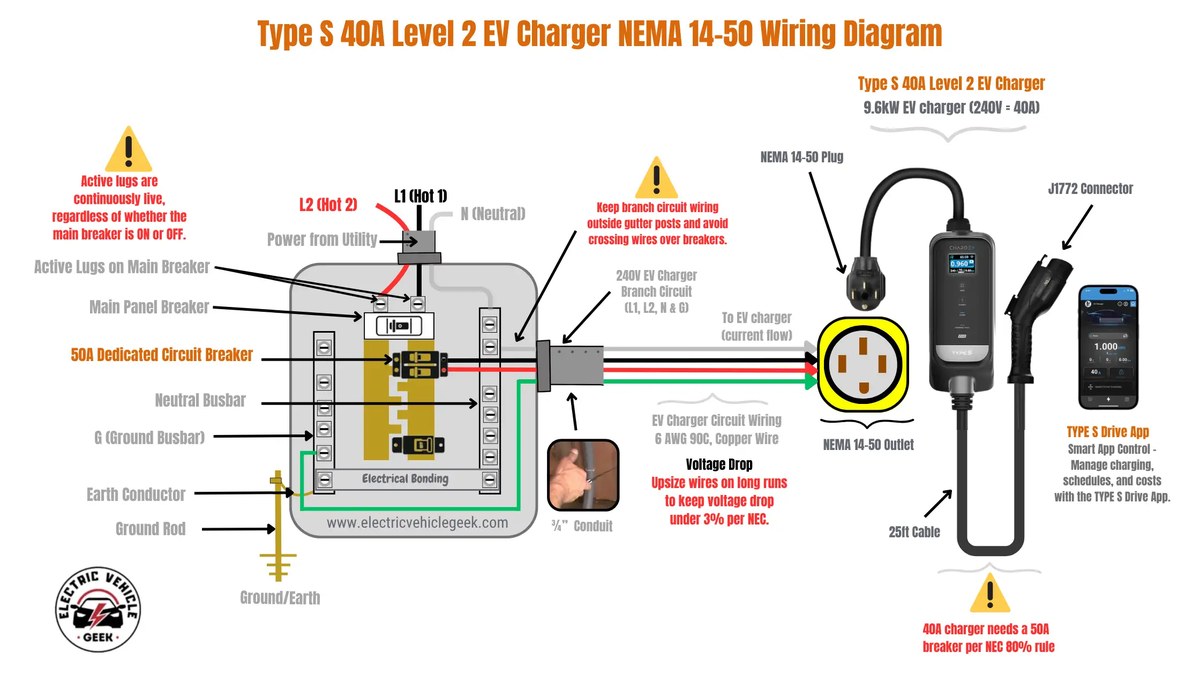
A 40 amp EV charger does not usually mean a 40 amp breaker is the right answer. In home charging, the EVSE may deliver up to 40 amps continuously, but the branch circuit has to be sized for that sustained load plus the code-required margin.
That is why you will often see a 50 amp circuit paired with a 40 amp charger. The breaker protects the circuit, while the charger setting determines how much current the vehicle can draw. Those two numbers are related, but they are not interchangeable.
How Continuous Load Rules Affect EV Charging
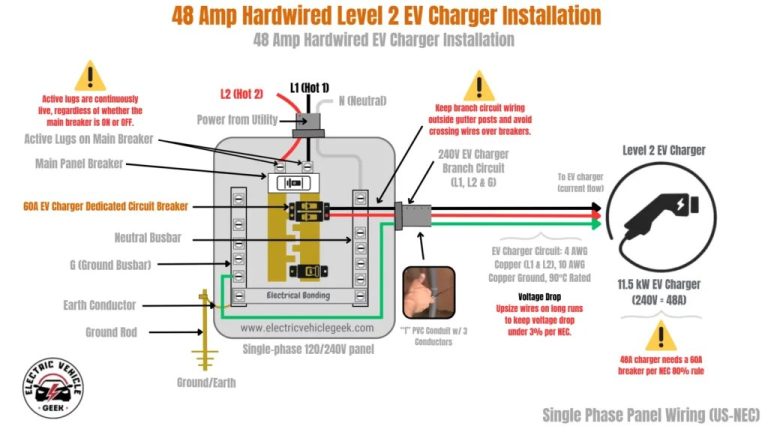
EV charging is commonly treated as a continuous load because it can run for hours at or near maximum current. Under the National Electrical Code framework, continuous loads are generally sized so the circuit is not run at 100% of breaker rating for long periods.
For the homeowner, that means the electrician is not simply matching the breaker to the charger’s peak amperage. The wire has to be selected so the installation remains safe under sustained use, including heat buildup in conduit, terminations, and the panel.
Charging current: 40 amps. Circuit / breaker: often a 50 amp branch circuit, but the final requirement must follow the charger instructions and local code. EV charging is commonly treated as a continuous load; follow the equipment instructions and applicable local requirements.
Recommended Wire Gauge for a 40 Amp EV Charger
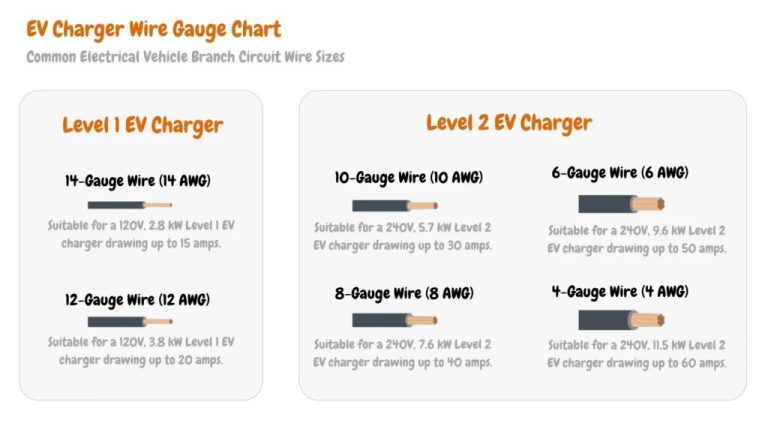
For many US homes, copper conductors are the common choice for a 40 amp EV charger, and the most typical installation uses wire sized for a 50 amp circuit. In many cases that leads to 6 AWG copper, but the final answer can change with insulation rating, installation method, ambient temperature, conduit fill, and distance.
It is important not to treat one wire size as universal. A long run, a hot garage, or a difficult conduit route can change the practical choice even when the charger itself is still a 40 amp unit.
Why Copper Wire Is the Common Choice
Copper is widely used because it has strong conductivity, broad code familiarity, and predictable termination behavior in residential EV charging work. It also tends to be the safer default for higher continuous loads where heat management matters.
Aluminum conductors may be allowed in some electrical applications, but EV charger installations should follow the equipment instructions, the breaker and terminal ratings, and local code. For many homeowners, copper remains the simpler and more common option for a 40 amp EVSE.
Wire gauge cannot be chosen in isolation. The electrician also has to account for the panel capacity, the breaker type, whether the charger is plug-in or hardwired, the route through conduit, and the temperature rating of the terminations.
When Wire Length Changes the Practical Choice
Longer wire runs can increase voltage drop, which may affect charging performance and efficiency even when the charger is correctly rated. That does not automatically mean you need a different charger, but it can justify a larger conductor than the minimum in order to keep the system performing well.
As a rule, the longer the run from panel to EVSE, the more important it becomes to have the electrician evaluate voltage drop, conduit path, and the total installation layout. This is one reason a “minimum code size” is not always the best real-world size.
How Voltage Affects Charging Speed and Wire Requirements
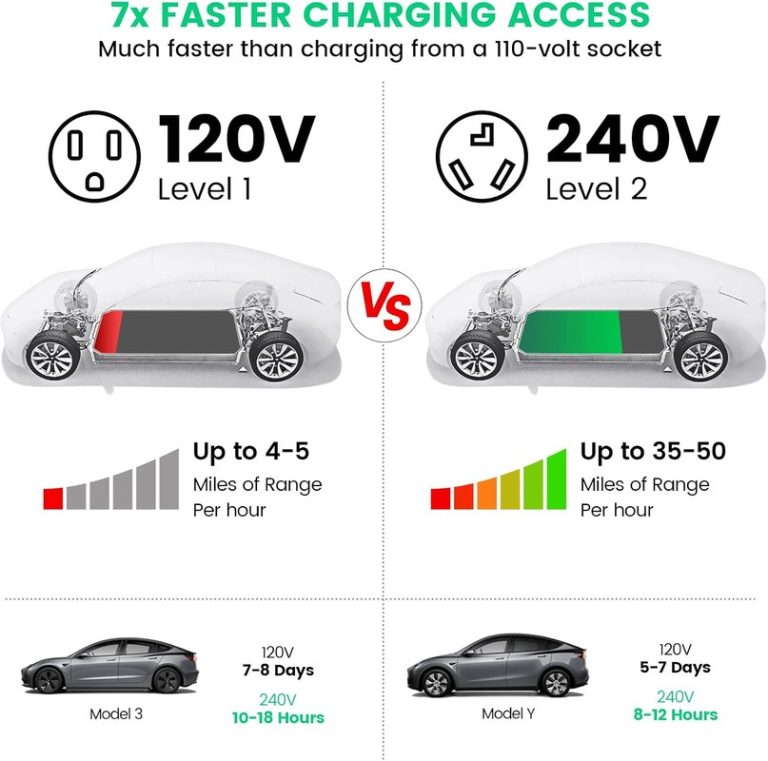
240V Level 2 Charging and Real-World kW Output
A 40 amp Level 2 charger on 240 volts delivers roughly 9.6 kW on paper, using the basic estimate of voltage multiplied by current. That estimate is useful for planning, but actual output can be lower because of vehicle limits and charging losses.
Higher voltage does not usually change the basic wire sizing question for a standard US home Level 2 installation, because most residential setups use 240V service for this class of charger. What matters more is the current, the circuit design, and whether the installation can safely support sustained operation.
Use verified values and distinguish charger setting from circuit capacity.
What Happens If the Vehicle Intake Limits the Charge Rate
Even if the charger is capable of 40 amps, the vehicle may accept less. The onboard charger, battery temperature, state of charge, and the car’s internal charging strategy can all reduce intake below the EVSE maximum.
That means wire size should be planned for the charger’s rated current and the circuit design, not for an assumption that the vehicle will always pull the full advertised rate. A vehicle that charges at less than 40 amps is still served by a properly sized 40 amp charger and its matching circuit.
Installation Factors That Matter as Much as Wire Size
Breaker Sizing, Dedicated Circuits, and Panel Capacity
A 40 amp charger should normally be on a dedicated circuit. Sharing that circuit with other loads can create nuisance tripping, overheating, or code problems, depending on the setup.
Panel capacity also matters. Even if the wire size is correct, the home’s service size and available breaker spaces may limit whether a 40 amp charger is practical without a panel upgrade or load calculation. That is why many homeowners compare the charger itself with the broader electrical plan before buying a unit such as a 40 amp EV charger or reviewing the matching 40 amp EV charger breaker size.
Conduit, Terminations, and Heat Management
Wire size is only one part of the thermal picture. Conduit type, ambient temperature, bundling with other conductors, and the temperature rating of lugs and receptacles all affect how much current a circuit can safely carry.
Hardwired installations can sometimes simplify the connection path and reduce points of resistance, while plug-in setups add receptacle considerations. Either way, heat management at the termination points is just as important as the conductor size itself.
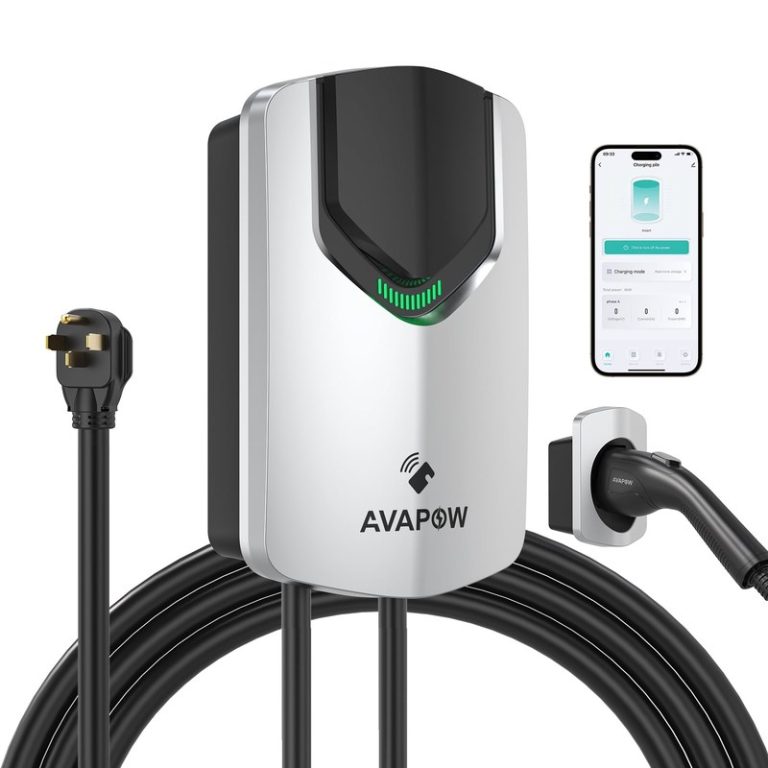
Useful if the charger is designed for a receptacle and portability matters, but the receptacle, plug, and breaker all have to be properly rated for continuous EV charging.
Often preferred for a permanent home installation because it removes the receptacle as a wear point, but it usually requires more involved electrical work.
Safety, Code, and Compatibility Considerations for US EV Owners
NEC Continuous Load Guidance and Local Electrical Codes
The NEC provides the baseline framework many US jurisdictions use, but local code adoption and permitting rules can vary. That means the right wire size for a 40 amp charger is not just a national question; it is also a local one.
If the charger manual specifies a minimum conductor size or a maximum breaker size, those instructions matter. If local code is stricter, the stricter rule usually wins. For that reason, homeowners should treat any online wire-size chart as a starting point, not the final authority.
Electrical-code adoption, permitting, inspections, utility requirements, and local rules vary by jurisdiction. Cite the current local or primary authority for a specific requirement.
Indoor vs. Outdoor Installations and Weather Exposure
Outdoor installations may need weather-rated equipment, proper enclosure selection, and careful attention to cable routing and strain relief. Weather exposure does not automatically change the conductor size, but it can affect the installation method and component selection.
Indoor garages are usually simpler, but they still require proper mounting height, cable management, and protection from physical damage. If the charger will live outside, verify that the EVSE and all associated electrical components are approved for that environment before the wire is pulled.
Verify the charger’s indoor/outdoor suitability and make sure the cable, connector, and mounting location are appropriate for the environment. Outdoor exposure can affect routing, protection, and long-term wear.
Cost and Practical Tradeoffs When Wiring a 40 Amp Charger
Material Cost vs. Future-Proofing for Higher-Amperage Charging
Going up in wire size can raise material and labor costs, especially on long runs or difficult routes. But a slightly larger conductor may also reduce voltage drop and create more headroom if you later upgrade to a higher-amperage charger, assuming the rest of the circuit and panel support it.
That said, future-proofing should not override the charger’s actual requirements. It is usually better to install the correctly sized circuit for the equipment you are using now, with any upgrade path planned intentionally rather than assumed.
Best Next Step Before Installing a 40 Amp Home Charger
Before buying wire or booking the install, confirm the charger’s manual, the vehicle’s AC charging capability, the panel’s spare capacity, and the route from panel to charger location. If the installation is being planned around a specific unit, it can also help to compare the broader 40 amp Level 2 charger category so you understand whether the charger is plug-in or hardwired, and whether the installation requirements fit your home.
The next practical step is to have a licensed electrician size the circuit from the actual install conditions, not from a generic chart. That is the safest way to choose the right wire gauge for a 40 amp EV charger without overbuying, underbuilding, or creating a code problem.
- Best for: US EV owners who want a safe, code-aware starting point for a 40 amp Level 2 home charging install.
- Think twice if: your panel is tight, the wire run is long, or your charger manual specifies a different breaker or conductor setup.
- Next step: verify the charger instructions and have a licensed electrician confirm the wire gauge, breaker size, and permit requirements before installation.
Frequently Asked Questions
No. 6 AWG copper is a common choice in many 40 amp home charging installs, but the correct size depends on the charger instructions, circuit design, conduit conditions, and local code. A licensed electrician should confirm the final conductor size.
Often, no. EV charging is commonly treated as a continuous load, so the breaker is usually sized above the charging current. The charger manual and local code determine the correct breaker.
Sometimes. Longer runs can increase voltage drop, which may affect charging performance and efficiency. An electrician may upsize the conductor to keep the system within acceptable limits.
It may be allowed in some installations, but it depends on the equipment instructions, terminal ratings, and local code. Copper is more common for residential EV charging because it is simpler to specify and terminate.
No. Wire size is based on the charger’s rated output and the circuit design, not on whether a particular vehicle currently draws less power. The vehicle may limit intake, but the installation still has to be safe for the EVSE maximum.
In many US jurisdictions, yes, but rules vary by city and county. Check with the local permitting office or your electrician before starting work.