Can I Install an EV Charger Myself? What to Know Before You Start
You can install some EV charging setups yourself, but anything requiring a new 240 V circuit, a panel change, or a permit usually belongs with a licensed electrician. The deciding factors are your vehicle’s onboard charger limit, your panel capacity, and your local code and inspection rules.
If you are asking “can I install an EV charger myself,” the honest answer is that it depends on the charging level, your electrical panel, and your local rules — not on how handy you are. Plugging in a Level 1 cordset is not really an installation, while a hardwired Level 2 EVSE usually involves a dedicated 240 V circuit, a permit, and an inspection that many jurisdictions expect a licensed electrician to handle.
- Compatibility: Match the EVSE connector to your vehicle inlet and confirm the onboard AC charger.
- Performance: Circuit capacity, EVSE amperage, and the vehicle’s onboard charger all cap real-world charging speed.
- Safety: New circuits, panel work, and hardwired installs are safety-sensitive and often require permits and.
- Cost: Budget for equipment, installation, and ongoing electricity; charging losses mean you pay for more.
Can I Install an EV Charger Myself? The Short Answer for 2026
Yes for some setups, no for others. The dividing line is not confidence or tool ownership. It is whether the job requires new circuit wiring, a panel modification, or a permit and inspection that local authorities tie to licensed trade work.
What DIY Actually Means for Level 1, Level 2, and Hardwired EVSE
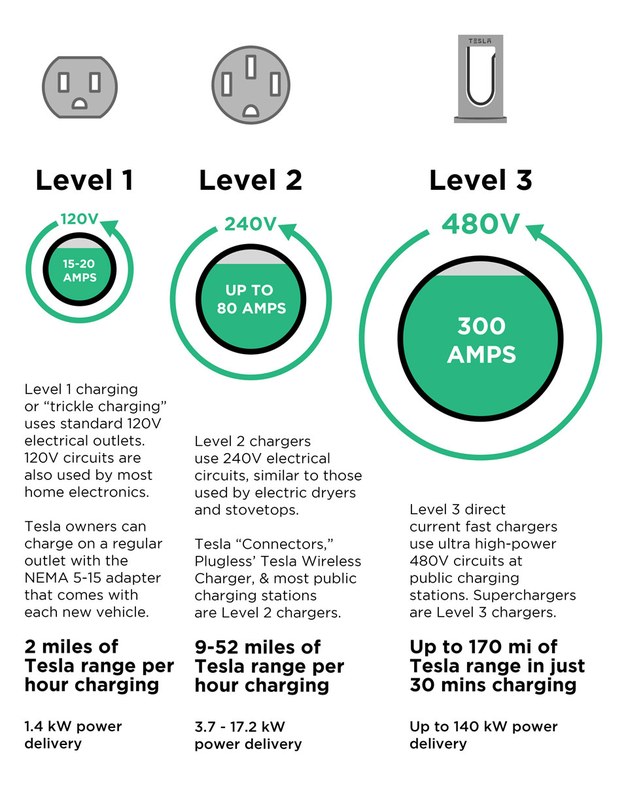
Level 1 uses a 120 V cordset that plugs into an existing outlet. There is no new circuit, so the “installation” is mostly choosing a properly protected receptacle and managing cable routing.
Level 2 plug-in EVSE needs a dedicated 240 V circuit ending in a compatible receptacle. The EVSE itself just plugs in, but the circuit behind it is real electrical work.
Hardwired EVSE is permanently connected with no plug. This is the highest-power, most permanent option — and the one most likely to require a permit, inspection, and a qualified installer.
When Local Code, Permits, or Your Panel Make DIY a Bad Idea
Three conditions usually end the DIY conversation: no spare breaker space, a panel or service that cannot support the added load, or a jurisdiction that requires licensed electrical work for new circuits.
Start With Your EV: Onboard Charger Limits and Connector Type

Before comparing EVSE models, confirm two things about the car: what inlet it has and how much AC power it can actually accept. Both come from the manufacturer’s documentation, not from a forum post.
J1772 vs NACS: What Your Car Accepts and What That Means for Your EVSE
Most older and many current EVs use the J1772 inlet for AC charging. Vehicles built around the NACS / SAE J3400 standard use that connector instead. Some automakers ship adapters or offer both over time.
The practical rule: match the EVSE connector to your vehicle inlet, or use a manufacturer-approved adapter in the correct direction. A physical fit alone does not prove the AC charging mode is supported.
Why the Onboard Charger Caps Your Home Charging Speed Before the EVSE Does
The onboard charger converts AC power from the wall into DC power for the battery. If it is rated for, say, 7.2 kW or 11 kW, a 48-amp EVSE cannot push more than the car will accept.
This is why buying the biggest EVSE available rarely delivers the fastest charging. Circuit capacity, EVSE output setting, and the vehicle’s onboard charger all have to line up.
EVSE Amperage, Circuit Breakers, and Panel Capacity: The Real Bottlenecks
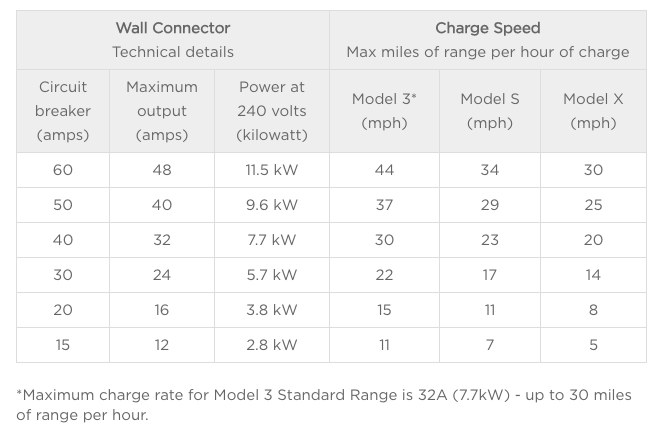
Amperage is where most home installations succeed or fail. A 48-amp EVSE is a continuous load, and continuous loads are treated differently from intermittent ones in electrical design.
If you are weighing a 48-amp unit, it is worth understanding whether a 48-amp EV charger needs a 60-amp circuit before you assume your existing wiring is adequate. Breaker sizing and conductor sizing are separate decisions, and both matter — a common reference point is 40-amp EV charger breaker size guidance, which shows how the equipment instructions drive the answer.
Conductor size is the other half of the equation. Undersized wire on a long run creates voltage drop and heat. Resources on 48-amp EV charger wire size explain why run length and termination temperature ratings change the recommendation.
Plug-In vs Hardwired: Same Criteria, Different Fits for Different Homes
Requires a dedicated 240 V circuit and a compatible receptacle. Portable between locations, but adds a plug-and-receptacle connection point and typically a lower maximum amperage than hardwired.
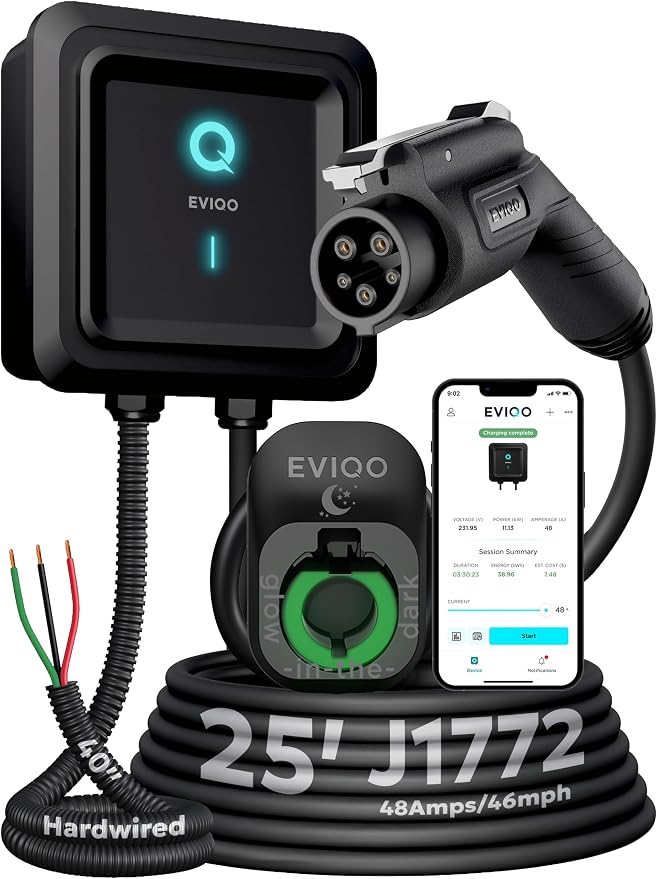
Permanently wired with no receptacle. Usually supports higher continuous amperage, fewer connection points, and outdoor-rated installs — but it is not portable and generally needs a permit and electrician.
If you are deciding whether a mid-range circuit is enough, this breakdown of whether 40 amps is enough for a Level 2 EV charger is a useful reality check against overnight charging needs.
How to Read Your Product Manual and Panel Label Before Buying Anything
The EVSE manual states the required circuit rating, conductor sizing, breaker type, and torque specs. The panel label states your service size and bus rating. Read both before you order hardware — the manual’s requirements override generic advice.
Adapters, Connector Direction, and AC/DC Limits You Must Not Ignore
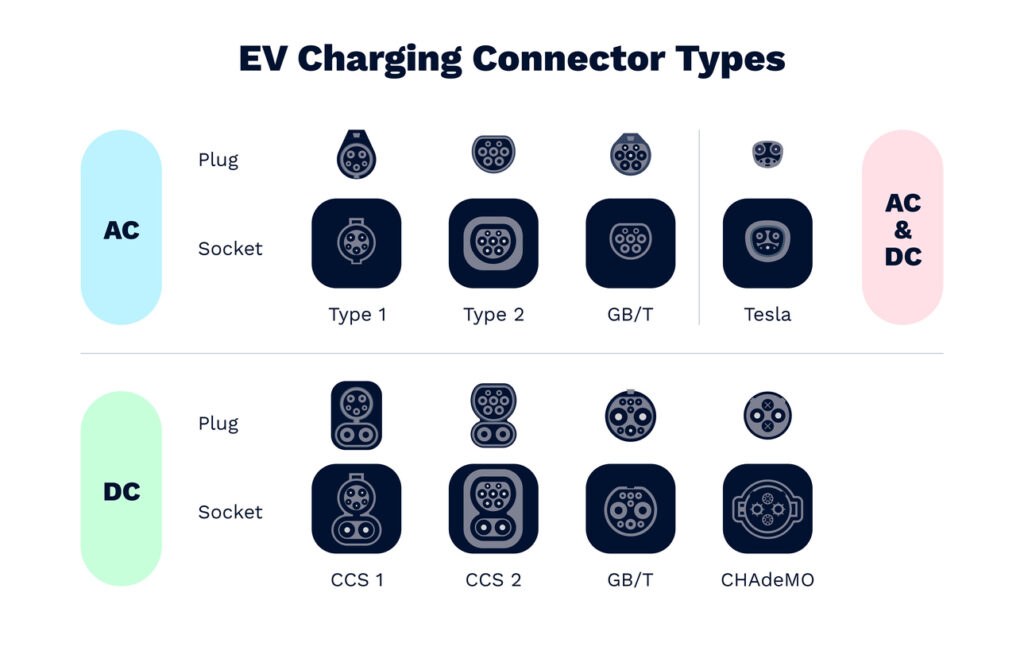
Adapters are where compatibility claims get sloppy. The connector shape tells you almost nothing about which charging mode or protocol is actually supported.
AC Adapter vs DC Fast Charging Adapter: Different Rules, Different Risks
An AC adapter changes the physical interface for Level 1 or Level 2 charging. A DC adapter involves high-voltage DC fast charging and is a fundamentally different device with different safety requirements.
Never assume an adapter that fits is an adapter that works. Verify direction, mode, and vehicle approval with the manufacturer.
Power Limits, Thermal Safety, Vehicle Restrictions, and Firmware Requirements
Adapters and EVSE can carry current ratings, thermal cutoffs, and firmware dependencies. Some vehicles restrict charging speed or reject sessions when an unapproved adapter is detected. Check the vehicle manual and the adapter maker’s documentation for stated limits.
What a DIY EV Charger Installation Actually Involves
Even a plug-in setup involves decisions that affect safety and long-term satisfaction. The physical work is only part of it.
Mounting, Cable Length, Weather Suitability, and Smart Features
Mount the unit so the cable reaches your charge port without strain, and check the enclosure rating and operating-temperature limits if it will live outdoors. For smart EVSE, confirm app requirements, connectivity, scheduling, utility integration, and what happens if the cloud service is unavailable.
Warranty, Support, and What Happens If You Get It Wrong
Many manufacturers require installation per their instructions and applicable code to honor warranty coverage. Improper wiring, wrong breaker type, or missing permits can void coverage and complicate an insurance claim after a failure. Keep documentation and inspection records.
Cost Breakdown: Equipment, Installation, and Electricity
Total cost has three parts: hardware, the electrical work, and the electricity itself. Only the third one repeats every month.
Formula: Electricity Rate × kWh Delivered ÷ Charging Losses
Cost = your electricity rate × (energy added to the battery ÷ charging efficiency). Charging losses mean you pay for slightly more grid energy than the battery receives. Losses vary by EVSE, onboard charger, voltage, and temperature.
Time-of-Use Pricing and Realistic Installation Cost Assumptions
Time-of-use plans can shift the per-kWh price substantially depending on when you charge. Taxes, fees, and demand charges may apply. Installation cost depends on run length, panel capacity, permits, and local labor rates, so get quotes rather than relying on averages.
Illustrative math only. Substitute your own utility rate, plan structure, taxes, and fees; actual losses vary by equipment and conditions.
Battery Health and Charging Behavior: Manufacturer Guidance vs General Patterns
Home charging is generally gentler on a battery than DC fast charging, but there is no single percentage rule that applies to every EV.
Temperature, State of Charge, Charging Power, and Chemistry Differences
Battery chemistry, thermal management design, and manufacturer guidance all shape what is ideal for your car. Extreme heat or cold, very high states of charge held for long periods, and repeated high-power sessions are the variables most often discussed — but the thresholds differ by model.
DC Fast Charging Context and Convenience Trade-Offs at Home
DC fast charging is a road-trip tool, not a daily habit for most owners. At home, slower overnight AC charging is convenient, easier on the electrical system, and usually cheaper per kWh.
Range and Efficiency: What Home Charging Does and Does Not Change
A better EVSE does not make your car more efficient. It changes how fast you can replenish energy, not how far each kilowatt-hour takes you.
mi/kWh, Speed, Weather, HVAC, Elevation, Payload, and Tires
Efficiency in miles per kWh drops with highway speed, cold temperatures, aggressive HVAC use, elevation gain, heavy payloads, and underinflated or high-rolling-resistance tires. These factors affect range far more than the charger in your garage.
Charging Losses and Battery Temperature Effects on Your Daily Range
Cold batteries accept less power and hold less usable energy until they warm up. Charging losses add cost, not range. The range you see each morning depends on battery temperature, state of charge, and the conditions of your drive.
Who Should DIY, Who Should Hire, and What to Verify Before You Start
Use the same criteria for both paths: safety, code compliance, cost, timeline, and warranty protection.
Same Criteria Side by Side: DIY vs Licensed Electrician
DIY fits when no new circuit is required, the outlet is already properly protected, and local rules allow it. A licensed electrician fits when you need a new 240 V circuit, a panel change, a load calculation, a hardwired install, or a permit and inspection. The electrician path costs more upfront but usually resolves code, warranty, and insurance questions cleanly.
Final Checklist for a Safe, Code-Compliant 2026 EV Charger Install
- Confirm your vehicle inlet and maximum onboard AC charging rate
- Verify EVSE connector type, amperage, and voltage requirements
- Check panel capacity, breaker space, and conductor sizing per the manual
- Confirm permit, inspection, and utility requirements with your local authority
- Verify safety listing, warranty terms, app requirements, and support
- Budget for equipment, installation, and ongoing electricity cost
- Best for: Owners using an existing, properly protected 120 V outlet or a pre-existing 240 V circuit that matches a plug-in EVSE.
- Think twice if: You need a new circuit, a panel upgrade, a hardwired install, or a permit — those are electrician territory.
- Next step: Read your vehicle manual for the onboard charger limit, then read the EVSE manual’s circuit requirements before buying.
Frequently Asked Questions
You can plug in a Level 2 EVSE yourself if a dedicated 240 V circuit and compatible receptacle already exist and your local rules allow it. If the circuit still needs to be run, or the unit must be hardwired, that is electrical work most jurisdictions expect a licensed electrician to perform with a permit and inspection.
Requirements vary by state, county, and city. Many jurisdictions require a permit for new 240 V circuits and hardwired EVSE, followed by an inspection. Check with your local building department or authority having jurisdiction before starting, since adopting the model code does not mean local rules are identical.
It depends on the EVSE’s rated continuous current, which the manufacturer states in the product manual. Continuous loads are sized differently from intermittent loads, and the manual specifies the required breaker and conductor sizing. Follow the manual and applicable local electrical requirements rather than a generic number.
Only if the adapter is approved for the correct direction and charging mode. An AC adapter for Level 1 or Level 2 charging is a different device from a DC fast charging adapter. Physical fit does not prove the vehicle will accept the session, and some vehicles restrict speed or reject unapproved adapters.
Not necessarily. Your vehicle’s onboard AC charger sets a ceiling on AC charging speed. If the car accepts less power than the EVSE can deliver, the extra capacity goes unused. Match the EVSE to the vehicle limit and your available circuit rather than buying the largest unit available.
Level 1 and Level 2 AC charging is generally gentler than DC fast charging, but there is no universal rule that fits every EV. Battery chemistry, thermal management, temperature, and state of charge all matter. Follow your manufacturer’s guidance for your specific model rather than applying a blanket percentage rule.