How Long Do Portable EV Chargers Last? Lifespan Guide
Most portable EV chargers last about three to seven years of normal use, though heat, weather, and running at maximum amperage can shorten that. The main check is matching the unit to your vehicle’s onboard-charger limit and your circuit capacity.
If you are asking how long do portable ev chargers last, the practical answer for most US owners is roughly three to seven years of normal use — but heat, weather, amperage, and build quality can push that window shorter or longer. The charger often ages faster than the car it plugs into, so knowing the wear points helps you plan ahead.
- Lifespan: A 3–7 year range is a planning estimate, not a guaranteed spec for any.
- Wear points: Connector, cable, relays, and enclosure fail before the car does.
- Safety: Follow manufacturer instructions and local electrical code; hardwire for daily high-amperage use.
- Cost: Include charging losses, dedicated-circuit costs, and permits in ownership math.
How Long Do Portable EV Chargers Last? The Short Answer
Short Answer: Many Portable EV Chargers Last 3–7 Years, but Heavy Use Can Shorten That
That range is an editorial estimate built from typical power-electronics lifespans, owner-reported patterns, and the warranty terms most manufacturers publish. It is not a standardized rating, because no universal lifespan spec exists for portable EVSE. Some units fail in year two; others keep working past year eight.
Why the Charger, Not the Car, Often Sets the Replacement Clock
An EV’s battery and drivetrain are engineered for a long service life. A portable charger is a smaller, cheaper piece of power electronics that lives in a harsher environment — a hot garage, a cold driveway, a trunk. That is why the EVSE is frequently the first item to need replacement.
The Biggest Lifespan Variables: Heat, Weather, Amperage, and Build Quality
Four factors dominate: operating temperature, exposure to moisture and UV, how hard the unit runs relative to its rating, and the quality of its relays, cable, and enclosure. A unit run at maximum amperage in a hot climate ages faster than one run at a moderate setting in a shaded garage.
What Counts as a Portable EV Charger in the 2026 US Market?
Level 1 vs Level 2 Portable EVSE
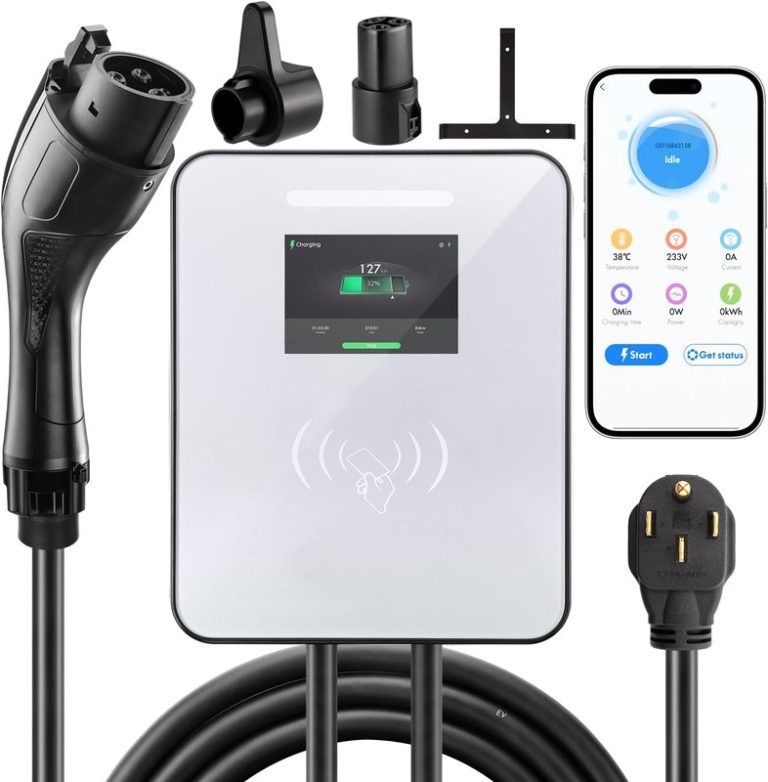
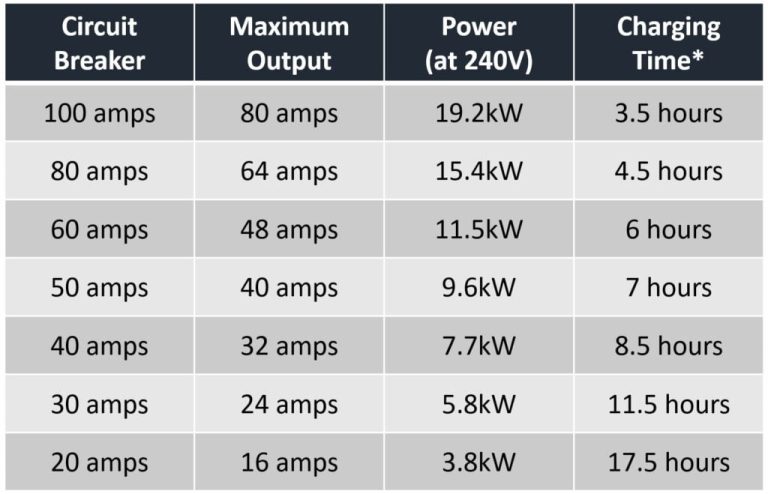
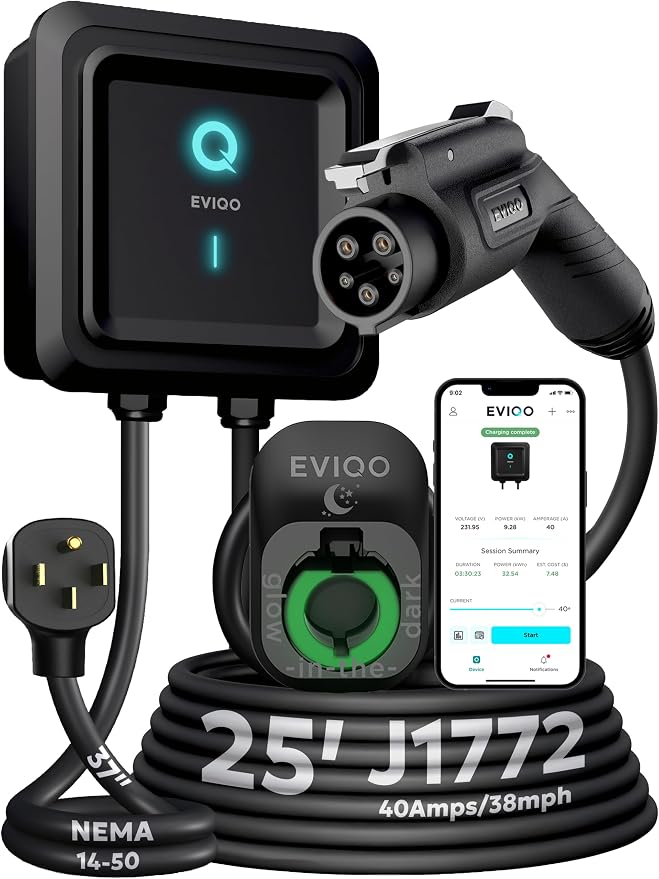
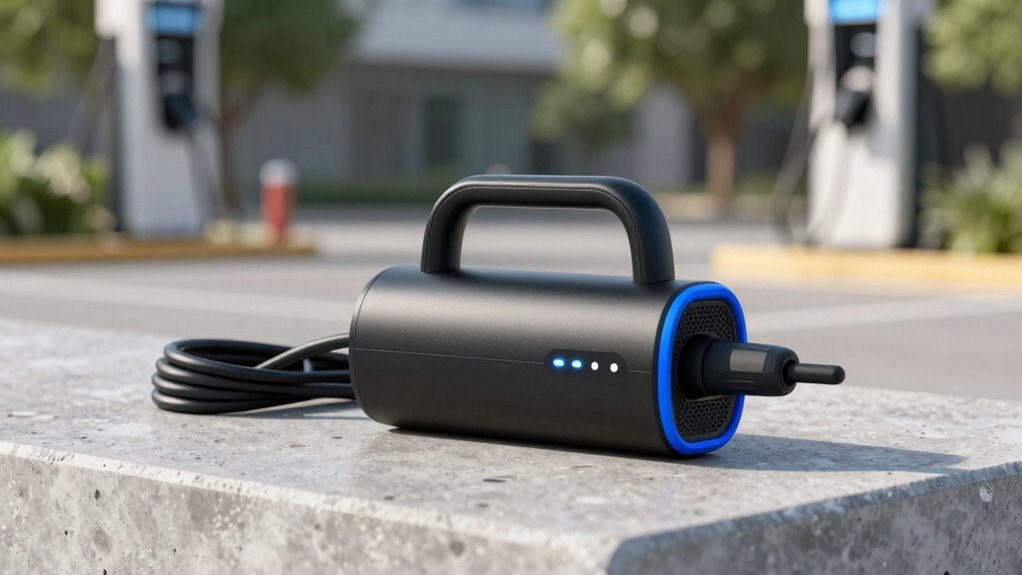
Level 1 portable EVSE plugs into a standard 120 V household outlet and typically adds only a few miles of range per hour. Level 2 portable EVSE runs on 240 V and can deliver far more power — often 16 A to 40 A depending on the model and circuit. Both are “portable” in the sense that they are not hardwired.
Plug-In vs Hardwired: Where Portability Ends
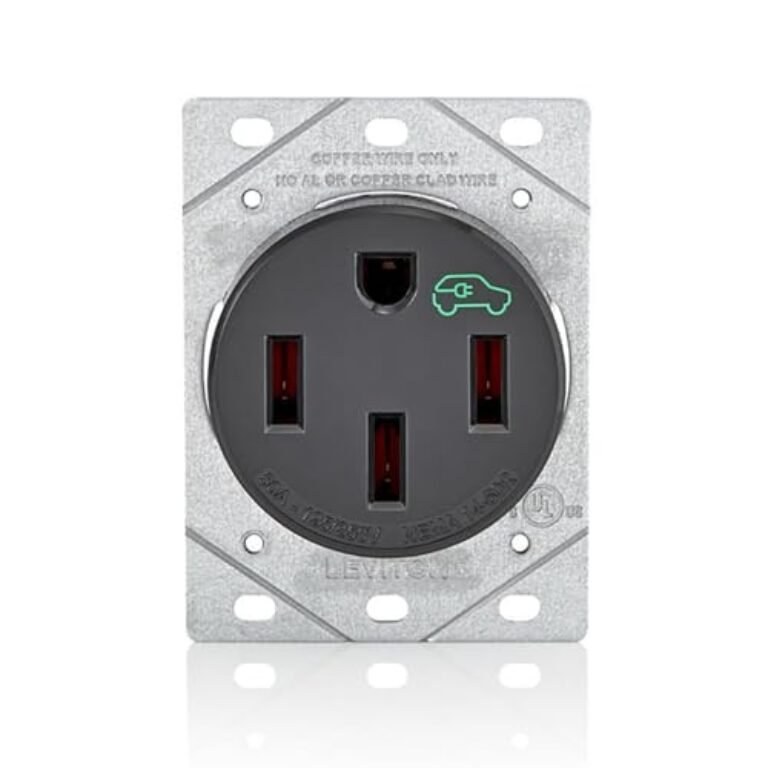
A plug-in unit uses a NEMA receptacle and can be unplugged and moved. A hardwired unit is permanently connected and generally allows higher continuous current. Once you hardwire, you have left the portable category entirely.
Uses a receptacle, can be moved between locations, and is usually limited by the plug and circuit rating.
Permanently wired, often supports higher continuous current, and requires a qualified electrician and permits.
Connector Types and Vehicle Onboard-Charger Limits
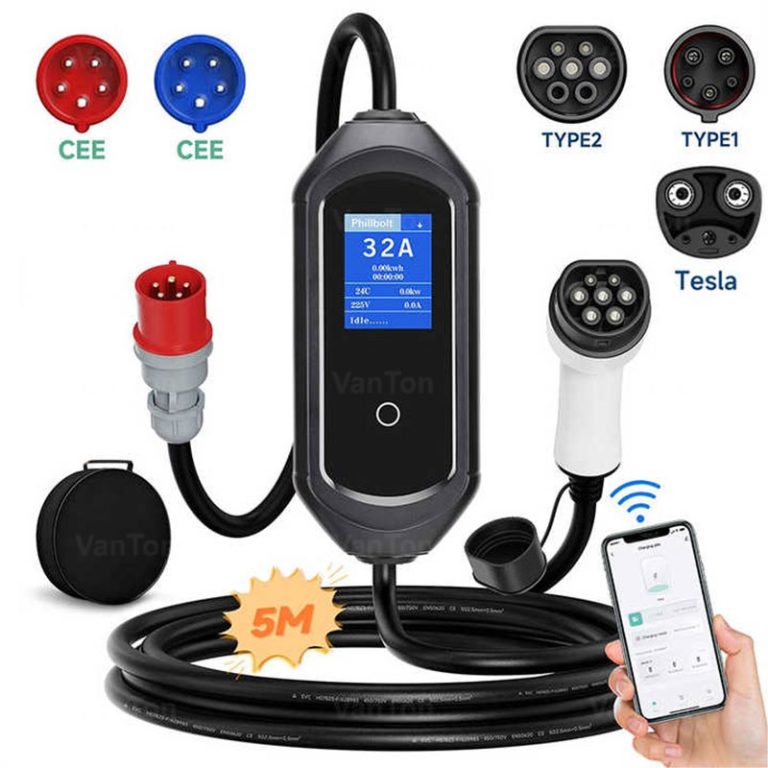
Most US EVs use J1772 or NACS (SAE J3400) for AC charging. The connector determines fit, but the vehicle’s onboard AC charger caps how much power the car can actually accept — a 40 A EVSE cannot force more power into a car limited to 32 A. For more on how amperage converts to power, see how many kW is a 48 amp Level 2 EV charger.
Component-by-Component Lifespan: Connector, Cable, Electronics, and Housing
Connector and Cable Wear
The connector and cable take the most physical abuse. Repeated plug and unplug cycles, bending, dragging, and pin wear all add up. Cables can stiffen in cold weather and crack over time. A damaged cable or loose connector is a common early failure point.
EVSE Electronics, Relays, and Amperage/kW Stress
Inside the unit, relays, contactors, capacitors, and control boards do the switching. Running at maximum amperage increases heat and stress on these parts. Units designed with headroom and good thermal management tend to last longer than units pushed to their ceiling every session.
Housing, Cable Length, and Weather Suitability
Enclosure quality, sealing, and UV resistance matter for outdoor units. Longer cables add convenience but also more flex and wear points. Check the manufacturer’s stated indoor/outdoor suitability and operating-temperature range before leaving a unit outside year-round.
Installation, Circuit, and Panel Factors That Affect Portable Charger Life
Reading the Product Manual for Electrical Requirements
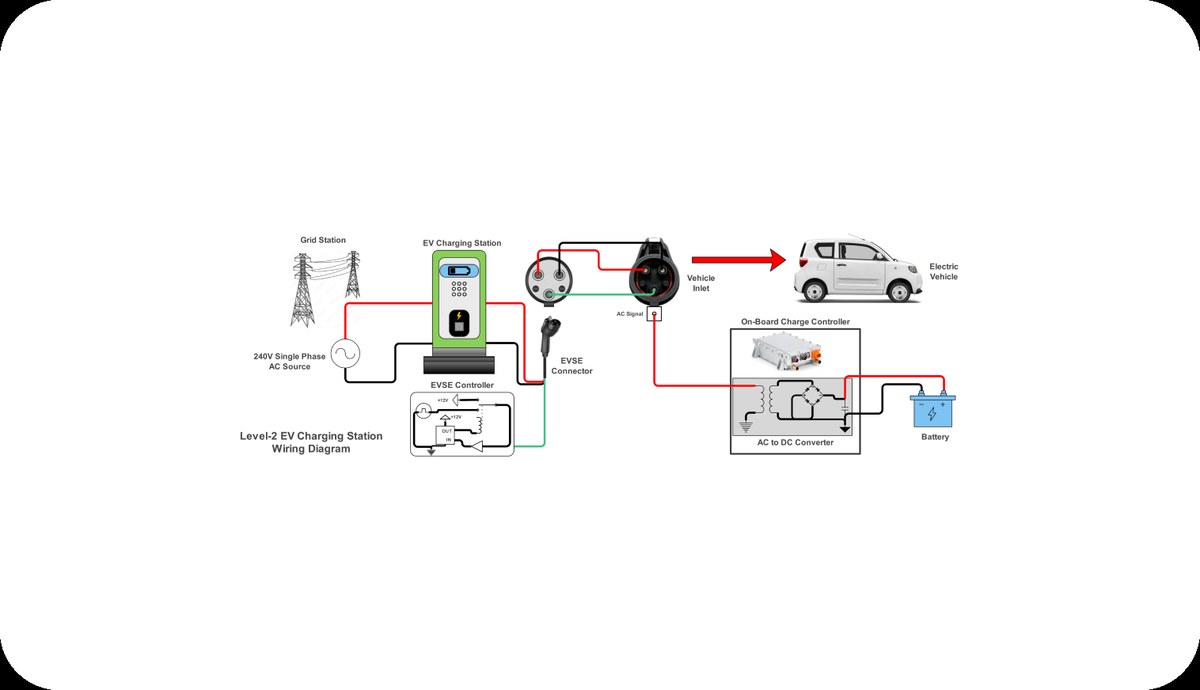
Manufacturer instructions specify the receptacle type, circuit rating, breaker size, and whether a dedicated circuit is required. Following them is the single best way to protect both the charger and your home wiring.
Local Code, Permits, and Receptacle Quality
Code adoption, permitting, and inspection rules vary by jurisdiction. A cheap or worn receptacle can overheat under continuous EV load. Use a quality, correctly rated receptacle and follow local requirements.
Circuit and Panel Implications for Continuous Loads
EV charging is a continuous load, which is treated differently from intermittent loads in electrical design. Panel capacity, available breaker space, and service size all matter. If you are planning a higher-amperage setup, see does a 48 amp EV charger need a 60 amp circuit.
When a Portable Unit Should Become a Hardwired Installation
If you charge daily at high amperage, hardwiring can be safer and more durable than repeatedly stressing a plug and receptacle. It also often allows higher current. Portability has real value for travel, but daily heavy use is where hardwiring shines.
Adapters and Compatibility: Source Connector, Destination Connector, and Safe Power Limits
Adapter Direction and AC vs DC Mode
Adapters are directional: a J1772-to-NACS adapter for AC charging is not the same as a DC fast-charging adapter. Physical fit never proves the charging mode is supported. Always verify the adapter’s stated AC or DC purpose before plugging in.
Important: Physical fit alone does not prove every AC or DC charging mode is supported.
Vehicle and Network Restrictions
Some vehicles and charging networks restrict which adapters are approved. Using an unapproved adapter may void warranty coverage or create safety risk. Check both the vehicle manufacturer and the network before relying on any adapter.
Thermal, Safety, and Firmware/Vendor Requirements
Adapters and EVSE add resistance and heat at connection points. Poor-quality adapters can overheat. Check vendor guidance and firmware requirements before relying on any adapter for regular charging.
Battery-Health and Charging-Habit Context: What Actually Wears Out First?
Manufacturer Guidance vs General Patterns
Follow your vehicle manufacturer’s charging guidance first. General patterns exist, but they are not universal rules. Battery chemistry and thermal management vary widely between models, so what helps one EV may be irrelevant to another.
Temperature, State of Charge, and Charging Power
Extreme temperatures and very high or very low states of charge stress batteries more than moderate conditions. Charging power also matters — sustained high-power charging generates more heat, which is one reason DC fast charging is treated differently from AC charging.
DC Fast Charging Context and Chemistry/Thermal Management
DC fast charging is a different mode from portable AC charging and stresses the battery differently. How much it matters depends on the vehicle’s chemistry and thermal-management system, not on a single universal rule.
Convenience Trade-Offs of Daily Portable Charging
Relying on a portable unit for daily charging is convenient but means more plug cycles and more wear on the EVSE. If convenience is the priority, a dedicated hardwired unit may serve better over the long run.
Cost of Portable EV Charger Ownership: Replacement, Electricity, and Installation Math
Assumptions and Formula: Electricity Rate × kWh Delivered ÷ Charging Efficiency
A simple formula: electricity rate × kWh delivered ÷ charging efficiency. If your rate is $0.15/kWh and you deliver 40 kWh at 90% efficiency, you pay about $6.67 for that session. Rates, taxes, and losses vary by location and plan.
State assumptions; rates, taxes, time-of-use pricing, and losses vary.
Time-of-Use Pricing and Charging Losses
Many utilities offer time-of-use plans with cheaper overnight rates. Charging losses — energy lost as heat during conversion — mean you pay for slightly more than what reaches the battery.
Equipment, Installation, and Permit Costs
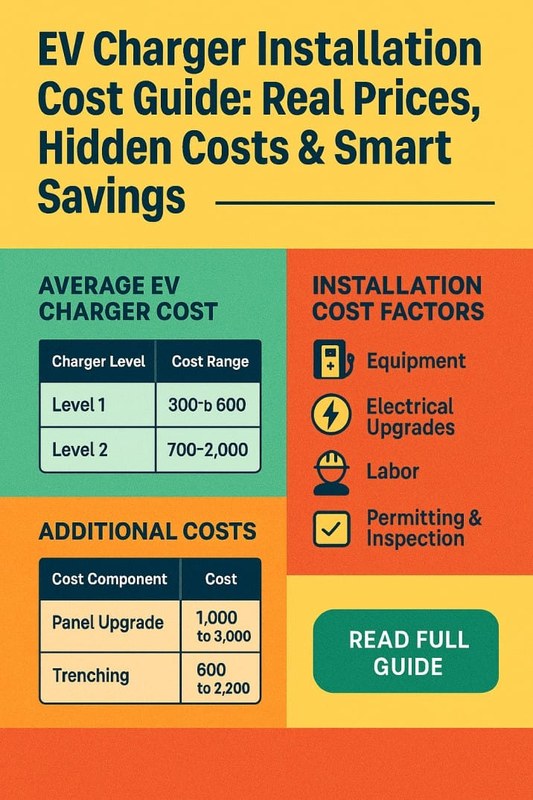
Portable EVSE is usually cheaper upfront than hardwired, but you may still pay for a dedicated circuit, receptacle, and permit. Include those in your ownership math when comparing options.
Range and Efficiency Context: Why Charging Losses Matter to Portable EVSE Value
mi/kWh or Wh/mi: The Baseline for Cost per Mile
Your vehicle’s efficiency, expressed as mi/kWh or Wh/mi, sets your cost per mile. Charging losses raise the effective cost of each mile, which is why delivered energy matters more than wall energy.
Speed, Weather, HVAC, Elevation, Payload, Tires, and Battery Temperature
All of these change real-world range. Cold weather and highway speed are the biggest swing factors for most drivers. The numbers you see on a spec sheet assume moderate conditions that rarely match a real commute.
Charging Losses and Real-World Delivered Energy
Not all energy drawn from the wall reaches the battery. Level 1 charging tends to have higher relative losses than Level 2. Factor this into comparisons when estimating the true cost per mile of a portable setup.
Warranty, Support, Smart Features, and Mark Reynolds’ Comparison Checklist
Warranty and Support Terms to Verify
Check the warranty length, what it covers, and how support is reached. Many portable EVSE warranties run one to three years — shorter than the product’s expected life, which is worth noting when you plan ownership costs.
Smart Features That Add Value vs Complexity
App control, scheduling, and utility integration can add value, but they also add dependencies. If the cloud service or app is discontinued, some features may stop working, so weigh that against the convenience.
Side-by-Side Comparison Criteria and Who Each Option Fits
Compare connector, output, onboard-charger match, installation type, weather suitability, safety listing, warranty, and support. A 40 A portable unit fits many daily drivers; see is 40 amps enough Level 2 EV charger for context, and 40 amp Level 1 and 2 portable EV charger for a closer look at that class.
Repair vs Replace vs Upgrade Triggers
Replace a unit if the cable or connector is damaged, if it overheats, if it trips breakers, or if the housing is cracked. Repair is rarely economical for consumer EVSE. Upgrade when your needs outgrow the unit’s amperage or features.
- Best for: Owners who want a flexible, lower-upfront charging option and understand the wear trade-offs.
- Think twice if: You charge daily at high amperage — hardwiring is often more durable.
- Next step: Confirm your vehicle’s onboard-charger limit and circuit capacity before buying.
Frequently Asked Questions
Most consumer portable EVSE lasts roughly three to seven years of normal use. That is an editorial estimate based on warranty terms, power-electronics service life, and owner-reported patterns — not a standardized rating. Heavy use, heat, and outdoor exposure can shorten it.
The connector and cable often wear first because of repeated plug cycles, bending, and cold-weather stiffening. Inside the unit, relays, contactors, and capacitors are the next common failure points, especially when the unit runs at maximum amperage.
Running at the unit’s maximum rated current increases heat and stress on internal components. A unit with thermal headroom and good ventilation tends to last longer than one pushed to its ceiling every session.
Only if the manufacturer documents an appropriate enclosure rating, operating-temperature range, and connector storage guidance. A marketing claim of “waterproof” is not the same as a verified rating, so check the product documentation.
If you charge daily at higher amperage, hardwiring is often more durable and can support higher continuous current. Portability is valuable for travel, but daily heavy use stresses plugs and receptacles more than a permanent connection.
Use the formula electricity rate × kWh delivered ÷ charging efficiency. At $0.15/kWh with 40 kWh delivered and about 90% efficiency, that is roughly $6.67 per session. Rates, taxes, time-of-use pricing, and losses vary by location.