EV Battery Charging Best Practices for Battery Health
For most EVs, battery health comes down to keeping daily state of charge in a moderate window, using AC charging for routine top-ups, and reserving DC fast charging for trips. The catch: the correct charge limit depends on your battery chemistry and what your manufacturer actually publishes.
EV battery charging best practices come down to three repeatable habits: keep daily state of charge inside a moderate window, treat DC fast charging as a road-trip tool rather than a routine, and follow your owner’s manual over any generic rule. Everything else — chemistry, climate, charging level, and equipment — adjusts the details around those three ideas.
- Compatibility: Match the EVSE connector, amperage, and charging mode to your vehicle’s inlet and onboard-charger.
- Performance: AC charging at 32 A or 48 A is low-stress; DC fast charging is.
- Safety: Level 2 EVSEs are continuous loads — follow the equipment instructions and applicable local.
- Cost: Time-of-use rates usually reward the same overnight charging that is gentler on the pack.
EV Battery Charging Best Practices: The Short Answer
Keep Daily State of Charge Between 20% and 80%
For lithium-ion packs built on nickel-manganese-cobalt (NMC) or nickel-cobalt-aluminum (NCA) chemistry, sitting for long periods at very high or very low state of charge (SOC) tends to accelerate capacity loss. A 20–80% daily window is the pattern most often recommended because it keeps the pack away from both extremes without cutting usable range too severely.
This is a general pattern, not a universal law. Some vehicles publish a different daily limit, and lithium iron phosphate (LFP) packs are handled differently — more on that below.
Limit DC Fast Charging to Road Trips and Occasional Needs
DC fast charging pushes current into the pack at rates far above AC charging, which raises cell temperature and internal resistance stress. Occasional fast charging is normal and expected; making it your only charging method is what tends to matter over years of ownership.
If you can charge at home or at work on Level 2, do that for routine top-ups and save the fast charger for longer trips.
Follow Your Owner’s Manual Over Generic Advice
Every generic rule in this article — including the 20–80% window — is subordinate to what your manufacturer publishes for your exact model and model year. Charging limits, preconditioning behavior, and battery-care menus differ by automaker and sometimes by software version.
Manufacturer Guidance vs. General EV Battery Charging Patterns
Why Your Owner’s Manual Is the Final Authority
Automakers design the battery management system (BMS), set the usable buffer above and below the displayed 0% and 100%, and write the warranty terms. That makes their documentation the only source that reflects the pack actually installed in your car.
Generic advice is useful for understanding why a recommendation exists. It is not a substitute for the manual, and it is not a warranty defense if something goes wrong.
What Most EV Makers Agree On (and Where They Differ)
Broad agreement exists on a few points: avoid leaving the pack at 100% or near 0% for extended periods, avoid charging a very hot pack immediately after hard driving when the vehicle says to wait, and use AC charging for routine needs.
Where they differ is more interesting. Daily charge limits vary. Some manufacturers recommend periodic 100% charging for LFP cars; others build in automatic calibration. Some vehicles actively warm or cool the pack during charging regardless of what you do; others have less thermal headroom. This is why a single “correct” charging percentage does not exist across all EVs.
State of Charge: The 20-80 Rule, LFP Batteries, and When to Charge to 100%
NMC and NCA Batteries: Why 80% Is a Common Daily Ceiling
NMC and NCA cells hold more energy per kilogram than LFP, which is why they dominate longer-range EVs. They also tend to be more sensitive to high SOC at high temperatures. Holding a nickel-based pack at 100% for days, especially in summer, is the scenario most often associated with faster degradation.
An 80% daily ceiling is common guidance, but some automakers publish 90%, and a few allow 100% daily use with the expectation that you drive soon after charging.
LFP Batteries: When 100% Charging Is Recommended
LFP packs tolerate high SOC better and typically have a longer cycle life. The trade-off is that their voltage curve is flat, which makes it hard for the BMS to estimate SOC precisely. Several automakers therefore recommend charging LFP vehicles to 100% periodically — often weekly — so the system can recalibrate.
If you own an LFP car and you never charge to 100%, you may see range estimates drift. Check your manual for the specific interval your manufacturer asks for.
Range vs. Longevity: The 100% Trade-Off for Road Trips
Charging to 100% before a long drive is normal and expected. The guidance is about time at high SOC, not the act of reaching it. Charge to 100% shortly before departure, drive, and let the pack come back down rather than leaving it parked full for a week.
When to Break the Rule: Preconditioning and Scheduled Departure
Scheduled departure and cabin preconditioning are designed to work with your charging routine, not against it. Many vehicles will finish charging close to your departure time when you set a schedule, which reduces the hours the pack spends at a high SOC.
Preconditioning also warms or cools the pack and cabin while still plugged in, so the energy comes from the grid rather than from the battery. That is generally better for range on the first miles of the day.
Temperature Extremes and EV Battery Charging Best Practices
Cold Weather Charging: Preconditioning, Scheduled Departure, and Level 2
Cold slows the electrochemical reactions inside the cells, which reduces both available power and the rate at which the pack accepts charge. A cold pack may charge slowly at first, then speed up as it warms.
Practical habits for winter: charge at home overnight on Level 2 when possible, use scheduled departure so the pack and cabin are conditioned before you leave, and expect DC fast charging to take longer in freezing conditions. Many vehicles will precondition the battery for fast charging if you route to a charger through the navigation system.
Hot Weather Charging: Shade, Timing, and Thermal Management
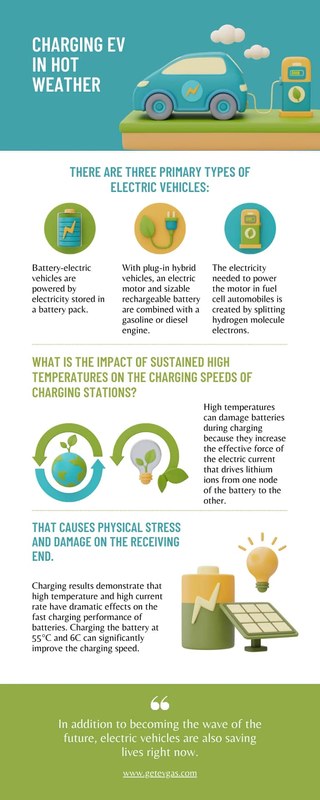
Heat is generally harder on lithium-ion longevity than cold. Parking and charging in shade, avoiding charging immediately after a hard drive when the pack is already hot, and charging overnight when ambient temperatures drop are all low-effort habits that reduce thermal stress.
Vehicles with active liquid cooling will manage pack temperature on their own, but they still benefit from not being asked to charge a hot pack in direct sun at maximum rate.
Charging Power: Level 1, Level 2, and DC Fast Charging Explained
Level 1 and Level 2 AC Charging: Slower Is Generally Gentler
Level 1 uses a standard household outlet and delivers the lowest power — often roughly 1.2–1.4 kW in the US on a 120 V circuit, depending on the EVSE and circuit. Level 2 uses a 240 V circuit and typically delivers anywhere from about 3.8 kW to over 11 kW, limited by the EVSE rating and the vehicle’s onboard charger.
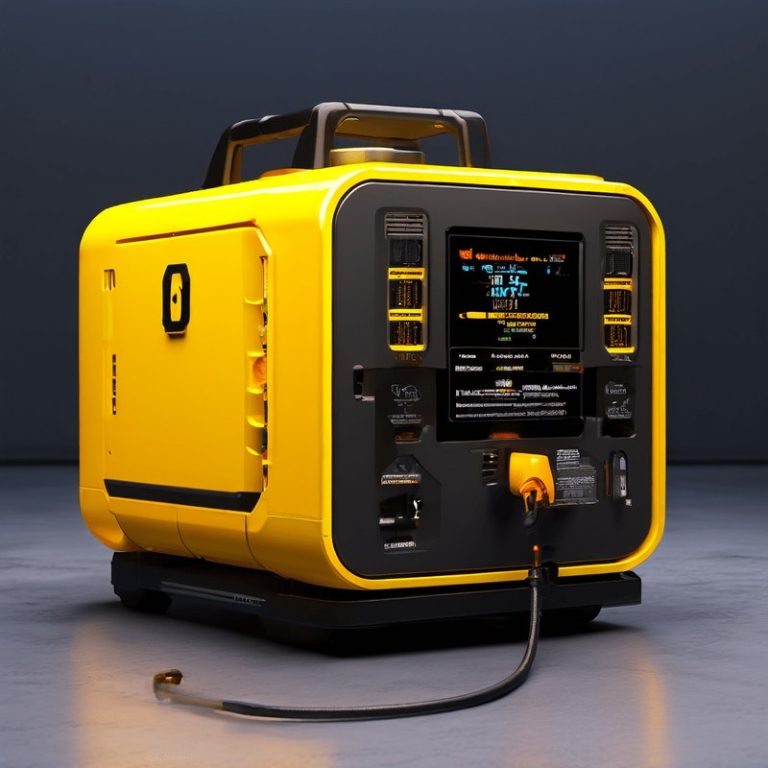
Both are AC charging, and both feed the vehicle’s onboard charger, which converts AC to DC for the pack. Lower current generally means less heat generated per unit of time, which is one reason AC charging is considered gentler than DC fast charging. For a deeper look at how portable units fit this picture, see our explainer on what a portable EV charger is and how it works.
DC Fast Charging: When It’s Fine and How to Minimize Battery Stress
DC fast charging bypasses the onboard charger and feeds DC directly to the pack, which is why it can reach much higher power levels. It is the right tool for road trips and genuinely useful for drivers without home charging.
To reduce stress when you do fast charge: arrive with a moderate SOC rather than near empty if the route allows, avoid fast charging a very hot or very cold pack when you can wait, and unplug once you have the range you need rather than charging to 100% at high rate. The last portion of a DC session is almost always the slowest, because the BMS tapers current to protect the cells.
Vehicle Onboard-Charger Limits and EVSE Amperage: What They Mean for Battery Health
Two limits decide your AC charging speed: how much the EVSE can supply and how much the vehicle’s onboard charger can accept. A 48 A EVSE does not make a car with a 32 A onboard charger charge faster. If you want to understand the kW math behind amperage ratings, our breakdown of how many kW a 48 amp Level 2 EV charger delivers walks through the calculation.
From a battery-health standpoint, the difference between 32 A and 48 A AC charging is modest. Both are low-stress compared with DC fast charging. Choose your EVSE for daily needs and electrical capacity first.
Battery Chemistry and Thermal Management: Why One Size Doesn’t Fit All
NMC vs. LFP: Different Charging Habits for Different Chemistries
NMC and NCA packs reward a moderate daily SOC ceiling and tolerate occasional 100% charging for trips. LFP packs tolerate high SOC better but need periodic full charges for BMS calibration. The two chemistries also differ in cold-weather behavior, with LFP generally showing more range loss in freezing temperatures.
If you are not sure which chemistry your car uses, the owner’s manual or the window sticker will say. Do not assume based on range alone.
Active vs. Passive Thermal Management: What It Means for Your Routine
Active thermal management uses liquid cooling and heating to keep cells in a favorable temperature range. Passive systems rely on air and the pack’s own thermal mass. Vehicles with active systems generally handle fast charging and extreme climates more consistently, and they may precondition the pack automatically.
If your vehicle has passive management, temperature-aware habits matter more: avoid charging a hot pack at high rate, and expect slower charging in cold weather.
Convenience vs. Battery Health: Practical Trade-Offs for Daily Driving
When to Prioritize Range Over Longevity
Battery care is a long game, and daily life does not always cooperate. If you need the full range tomorrow, charge to 100%. If you are leaving for the airport and the car will sit for two weeks, 100% is the wrong choice — a moderate SOC is better for storage.
The realistic goal is avoiding long stretches at the extremes, not achieving a perfect charging record.
Smart Charging Features That Help (Scheduling, Charge Limits, Load Balancing)
Charge limits, departure schedules, and load balancing are the three features that do the most work for battery health and household electrical safety. Charge limits keep you inside your chosen SOC window. Departure schedules reduce time spent at high SOC and precondition the pack. Load balancing or current limiting helps avoid overloading a shared circuit.
Check whether your EVSE’s schedule lives in the car, in the app, or both — and what happens if the app or cloud service is unavailable.
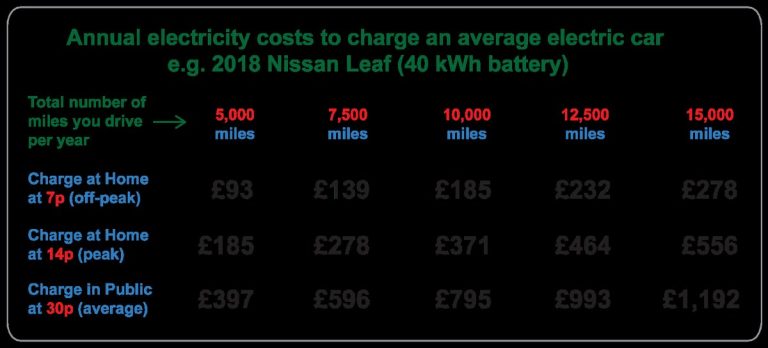
Time-of-Use Pricing and Charging Losses: The Real Cost of Battery-Friendly Charging
Time-of-use plans can make overnight charging much cheaper than peak-hour charging. The trade-off is that overnight charging also tends to be the battery-friendlier option, so the two goals usually align.
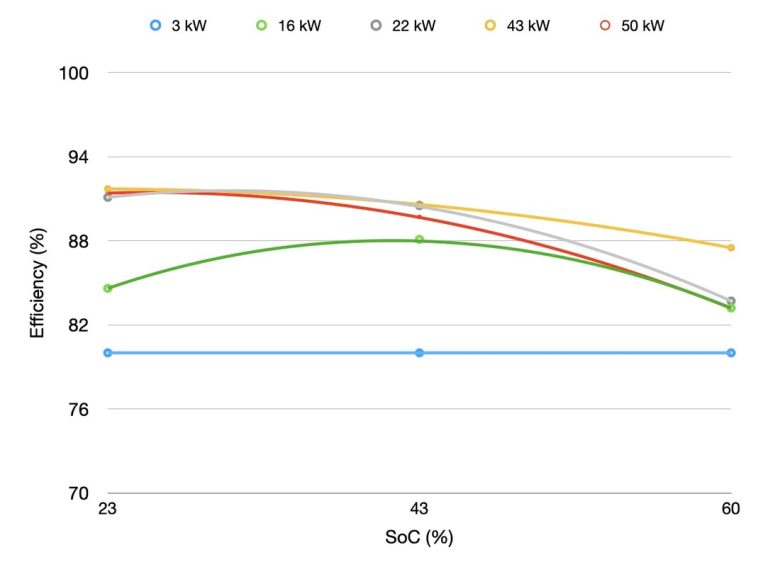
Remember that the energy you pay for is not exactly the energy stored. Charging losses — the difference between what the wall delivers and what reaches the pack — vary with charging level, temperature, and the vehicle itself. Level 1 and Level 2 charging typically lose a larger share to overhead than DC fast charging, though the absolute cost difference is usually small at typical residential rates.
Illustrative only. Your utility rate, taxes, fees, time-of-use windows, and charging losses vary. Verify your own rate schedule before comparing costs.
Charging Equipment and Installation: What Matters for Battery Health
Plug-In vs. Hardwired EVSE: Does It Affect Battery Health?
Directly, no. A plug-in and a hardwired EVSE delivering the same current to the same vehicle produce the same charging stress on the pack. The difference is electrical, practical, and sometimes regulatory.
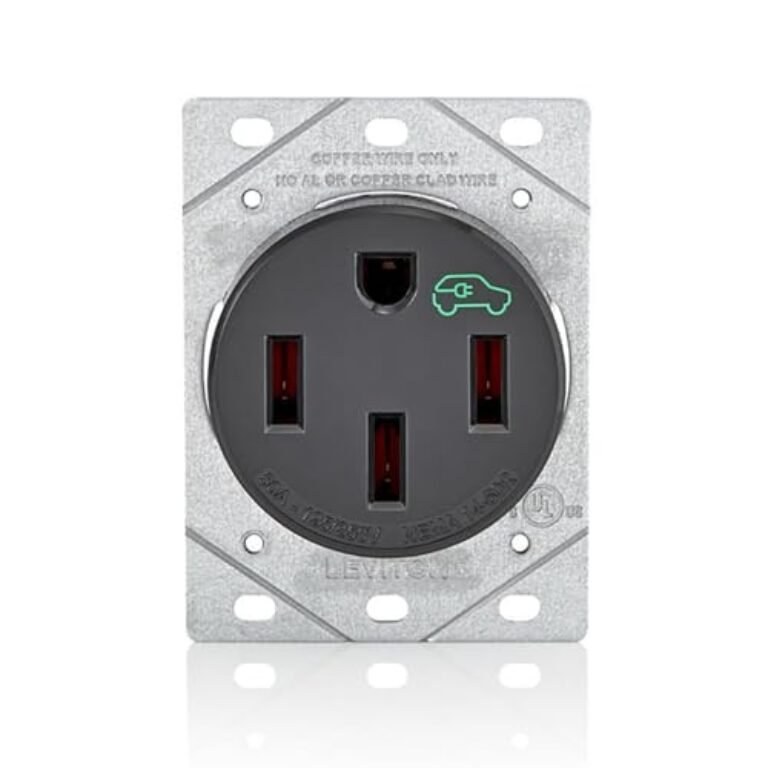
Uses a receptacle and plug, so it can be moved or replaced more easily. Higher-amperage plug-in setups may require specific receptacle types and protection per the equipment instructions and local code.
Wired directly to the circuit, which is typical for the highest-amperage home units. Often the practical choice when you want maximum current or a permanent outdoor installation.
Connectors and Adapters: Direction, AC/DC Mode, Power Limits, and Vehicle Restrictions
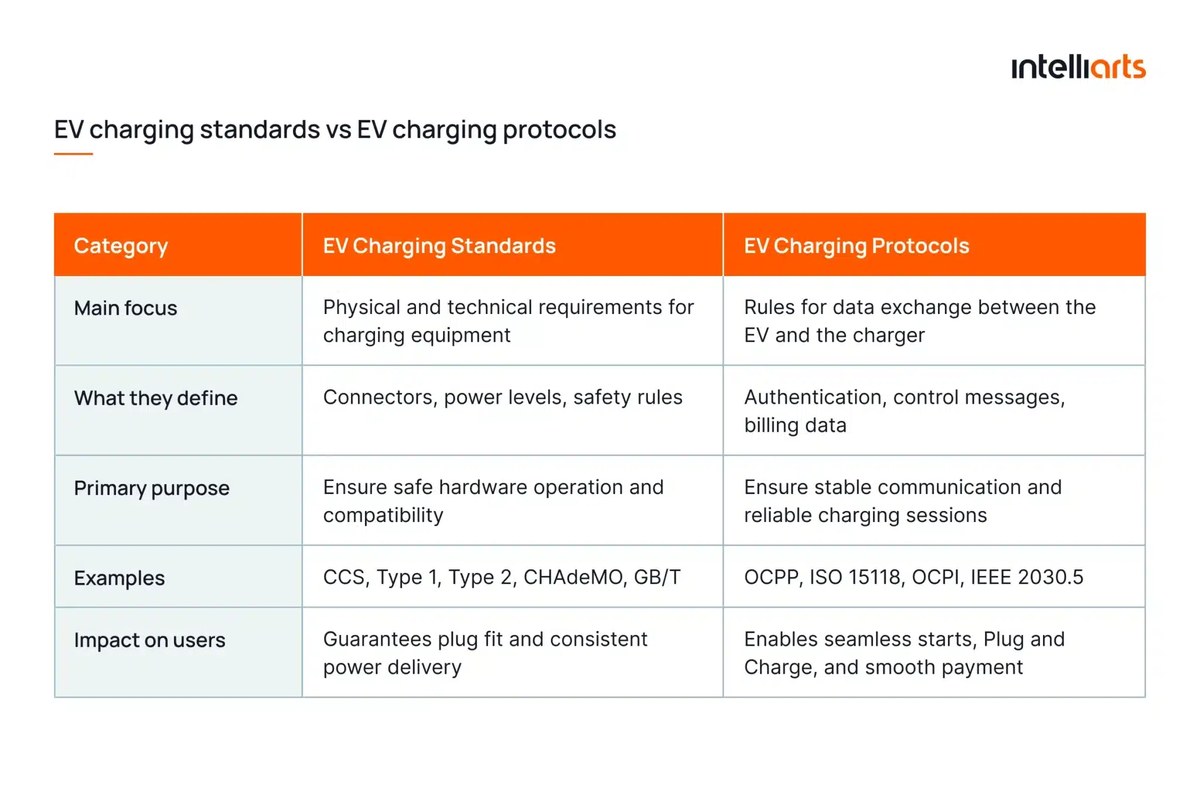
In the US you will encounter J1772 (AC), CCS1 (AC and DC, though AC via CCS1 is uncommon in practice), and NACS / SAE J3400 (AC and DC). Physical fit is not proof that a given charging mode works.
Adapter direction matters: an adapter designed to let a NACS vehicle use a J1772 or CCS1 charger is not the same as one that lets a J1772 vehicle use a NACS charger. AC and DC adapters are also different products. Verify the vehicle-side inlet, the charger-side connector, and the supported mode before buying anything.
Adapter Safety: Thermal Limits, Firmware, and Vendor Requirements
Adapters carry current and generate heat. A poor connection at high amperage is a real risk. Use adapters from vendors whose documentation states the supported amperage, the charging mode, and the vehicle compatibility, and follow the vendor’s seating and torque instructions.
Some vehicles and charging networks restrict or disable certain adapter combinations, sometimes via software. Check both the automaker’s and the network’s current guidance rather than relying on a listing that may be out of date.
Electrical Requirements, Permits, and Local Code: What to Confirm
A Level 2 EVSE is a continuous load, which affects circuit sizing, breaker selection, and conductor requirements. The equipment instructions and the applicable local electrical code govern the specifics, and adoption of code editions varies by jurisdiction.
If you are planning a 48 A installation, our guide to whether a 48 amp EV charger needs a 60 amp circuit explains how the continuous-load rule shapes the answer, and our breakdown of 48 amp EV charger wire size covers conductor-sizing considerations.
Cable Length, Weather Suitability, and Warranty Support
Cable length is a convenience factor, not a battery-health factor, but it affects where you can mount the unit and whether the cable will reach your parking position without strain. Longer cables also mean more copper and often a higher price.
For outdoor installation, verify the enclosure’s weather rating, its operating temperature range, and the manufacturer’s guidance on connector storage. Do not infer outdoor suitability from appearance or marketing language.
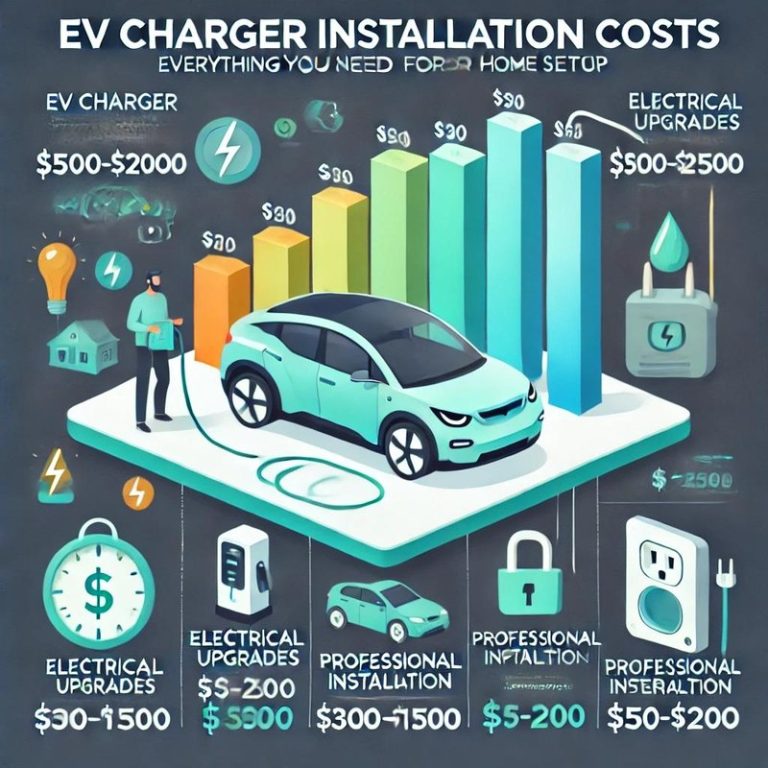
Installation and Equipment Costs: What to Budget
Budget for three things: the EVSE itself, the electrical work, and any permitting or inspection fees. Hardwired installations at higher amperage generally cost more than plug-in setups because of conductor size, breaker requirements, and labor.
Panel capacity is the wildcard. If your service panel is full or your utility requires an upgrade, that cost can exceed the charger and the installation combined. Get a load calculation from a licensed electrician before committing.
A Weekly EV Battery Charging Routine for 2026 and Beyond
Daily Habits for NMC and LFP Owners
NMC and NCA owners: set a daily charge limit per your manual — commonly 80%, sometimes 90% — and plug in whenever it is convenient rather than waiting for a specific SOC. Shallow, frequent charging is generally easier on the pack than deep cycles.
LFP owners: follow the manufacturer’s guidance on periodic 100% charging for calibration, and do not be alarmed if the range estimate shifts after a full charge.
Monthly and Seasonal Checks
Once a month, review your charge limit and schedule — software updates occasionally reset them. Before winter, confirm preconditioning and departure schedules are set. Before summer, check that your charging location is shaded or that you are charging overnight.
Also inspect your EVSE cable, connector, and mounting for wear, and confirm the unit’s firmware is current if it is a connected model.
When to Seek Professional Service
Contact your dealer or a qualified EV technician if you notice a sudden drop in usable range, charging that consistently stops early, a connector or cable that gets unusually hot, error messages from the vehicle’s charging system, or a burning smell near the EVSE or receptacle.
For electrical work at the panel or receptacle, use a licensed electrician. Do not attempt to bypass overcurrent protection, grounding, or GFCI requirements.
- Best for: Owners who want a simple, repeatable routine — moderate daily state of charge, AC charging as the default, DC fast charging for trips, and settings that match the owner’s manual.
- Think twice if: You are applying a single 80% rule to every EV regardless of chemistry, climate, or manufacturer guidance.
- Next step: Open your owner’s manual, find the charging section, and set your charge limit and departure schedule today.
Frequently Asked Questions
For NMC and NCA packs, daily 100% charging keeps the battery at high state of charge for long periods, which is the pattern most often linked to faster capacity loss. Some manufacturers allow it if you drive soon after charging, and LFP packs are handled differently. Check your owner’s manual for your model’s daily limit.
Occasional DC fast charging is normal and expected, and most manufacturers design for it. The concern is frequency and temperature: relying on fast charging for most of your energy, or fast charging a very hot or very cold pack repeatedly, adds thermal and resistance stress over time.
Many automakers recommend charging LFP vehicles to 100% periodically — often weekly — so the battery management system can recalibrate its state-of-charge estimate. Skipping it can cause range estimates to drift. Follow the interval your manufacturer specifies.
Both are low-stress compared with DC fast charging, and the difference between them is modest. Your vehicle’s onboard charger may not accept 48 A anyway. Choose based on your daily range needs, panel capacity, and installation cost rather than battery-health concerns.
Leaving it plugged in is generally fine and often useful, because the vehicle can draw grid power for preconditioning and battery thermal management instead of using stored energy. The bigger factor is the charge limit you set, not whether the cable stays connected.
Cold slows charging and reduces available range, but it is not inherently damaging. Most vehicles limit charge rate until the pack warms. Preconditioning and scheduled departure help, and Level 2 home charging overnight is usually the most practical winter approach.