EVIQO Level 2 EV Charger J1772 48A vs ChargePoint HomeFlex
EVIQO Level 2 EV Charger J1772 48A vs ChargePoint HomeFlex Level 2 EV Fast Charger is a close matchup for U.S. EV owners who want a hardwired home charging station, but they emphasize different strengths. The EVIQO leans into higher stated current, long cable reach, and built-in app controls, while the ChargePoint HomeFlex leans on the ChargePoint brand, network ecosystem, and a broader published support story.
Choose the EVIQO Level 2 EV Charger J1772 48A if you want the stronger stated home-charging feature set in the supplied listing, especially the 48A output claim, 25-foot cable, and app-based scheduling. Choose the ChargePoint HomeFlex Level 2 EV Fast Charger if you value the ChargePoint ecosystem and a simpler published feature set from a well-known EV charging brand. Before buying either one, verify your vehicle’s connector needs, your installation plan, and the manufacturer’s current documentation.
Both products are aimed at non-Tesla J1772 home charging, and both are presented as hardwired Level 2 units. The practical difference is less about “can it charge” and more about which feature set, installation approach, and support model fits your garage, vehicle, and electrician’s plan.
Quick Comparison
| Feature | EVIQO Level 2 EV Charger J1772 48A | ChargePoint HomeFlex Level 2 EV Fast Charger |
|---|---|---|
| Product image | 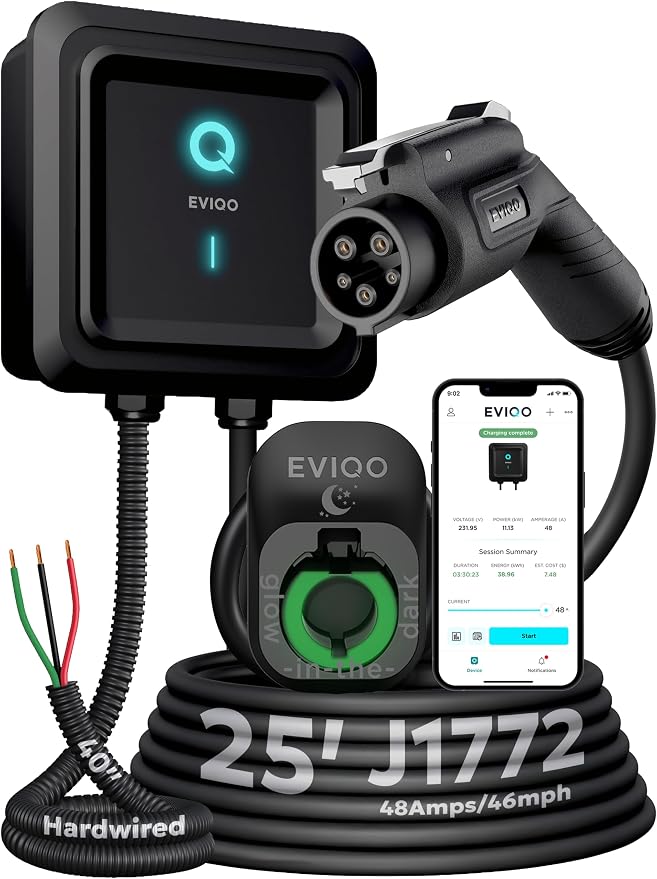 |
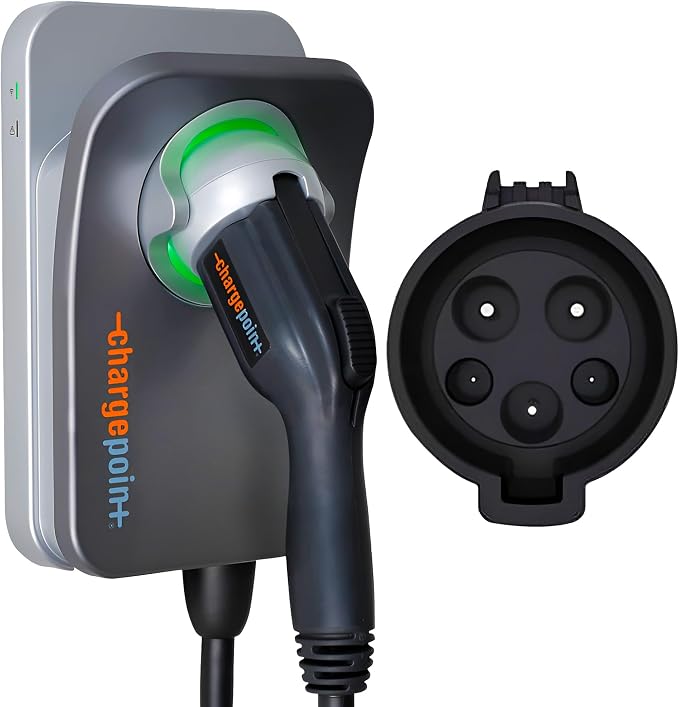 |
| Product type | Hardwired 240V wall charging station | Hardwired Level 2 EV charger |
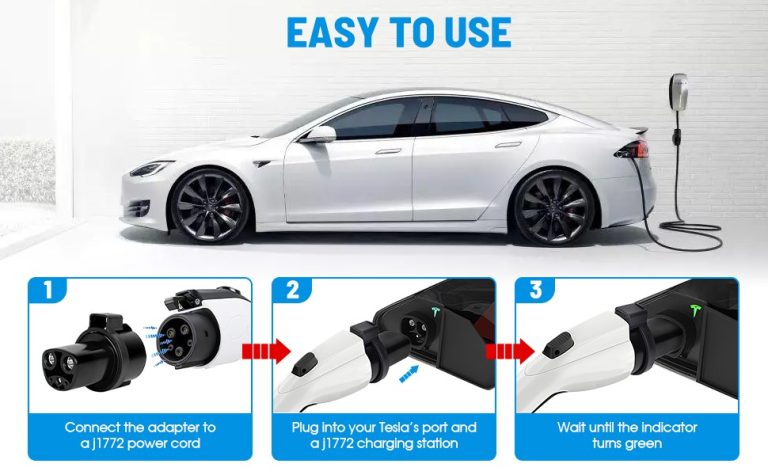
| Connector | J1772; Tesla use requires a J1772-to-NACS adapter, not included | J1772; Tesla use requires an adapter |
| Stated current / output | 6-48A current control in app; 48A in product title | 50A in product title; requires a 20A or 80A circuit per supplied listing |
| Smart features | Start/stop, current setting, reminders, consumption/cost tracking, remote software updates | Not confirmed in supplied listing data |
| Weather protection | IP66/NEMA-4 enclosure | Safe for indoor or outdoor installation by an electrician; weather rating not confirmed in supplied listing data |
| Cable / reach | 40-inch input cable and 25-foot charging cable | Cold-resistant cable; exact length not confirmed in supplied listing data |
| Support / warranty | 3-year warranty and U.S.-based support | 24/7 support and ChargePoint network access |
| Current price | See Price → | See Price → |
What Matters Most
For most U.S. EV owners, the best comparison points here are not just brand names. The real decision usually comes down to connector fit, installation plan, feature control, weather suitability, and how much convenience you want from the charger itself.
The EVIQO listing is more explicit about home-use conveniences such as app control, current adjustment, scheduling, and a long charging cable. The ChargePoint HomeFlex listing is more conservative in the supplied facts but highlights support, network access, and safe indoor/outdoor installation by an electrician.
For readers researching home charging capacity, our guides on how many kW a 48-amp Level 2 EV charger delivers and whether a 48-amp EV charger needs a 60-amp circuit may help frame the bigger installation questions. If you want a broader roundup of high-output options, see our best 48-amp Level 2 EV chargers for home charging guide.
1) Connector and vehicle fit
Both listings use J1772 for non-Tesla EVs. The EVIQO listing also says it can function as a Tesla Level 2 charger when used with a J1772-to-NACS adapter, but that adapter is not included. For Tesla owners, the adapter direction matters, so confirm exactly what your vehicle and adapter require.
2) Charging controls and convenience
EVIQO clearly lists app-based start/stop control, current setting from 6-48A, reminders, and consumption/cost tracking. ChargePoint HomeFlex does not have those smart features confirmed in the supplied listing data, so if app control matters to you, the EVIQO has the clearer evidence here.
3) Installation and placement
Both are hardwired units, but the EVIQO listing goes further by calling out a 40-inch input cable and a 25-foot charging cable. That extra reach can matter if your parking spot is awkward or if you want more flexibility in a garage or driveway. ChargePoint HomeFlex is described as installable indoors or outdoors by an electrician, but exact cable reach is not confirmed in the supplied data.
4) Weather and durability
The EVIQO has a clearly stated IP66/NEMA-4 weatherproof enclosure, plus UL/ETL/FCC/Energy Star certification in the supplied listing. ChargePoint HomeFlex is described as safe and durable with a cold-resistant cable and UL certification, but a specific weather rating is not confirmed in the supplied data.
5) Support and ownership experience
EVIQO includes a 3-year warranty and U.S.-based support with stated business hours. ChargePoint emphasizes 24/7 support and access to the broader ChargePoint charging network, which may matter more to buyers who already use ChargePoint public charging or want one familiar charging brand across home and travel.
6) Price sensitivity
The supplied EVIQO price is visible in the listing data, while the ChargePoint price was not provided. Because prices change, the better move is to compare the current offer at the time you buy rather than assume one is always the cheaper option.
EVIQO Level 2 EV Charger J1772 48A Deep Dive
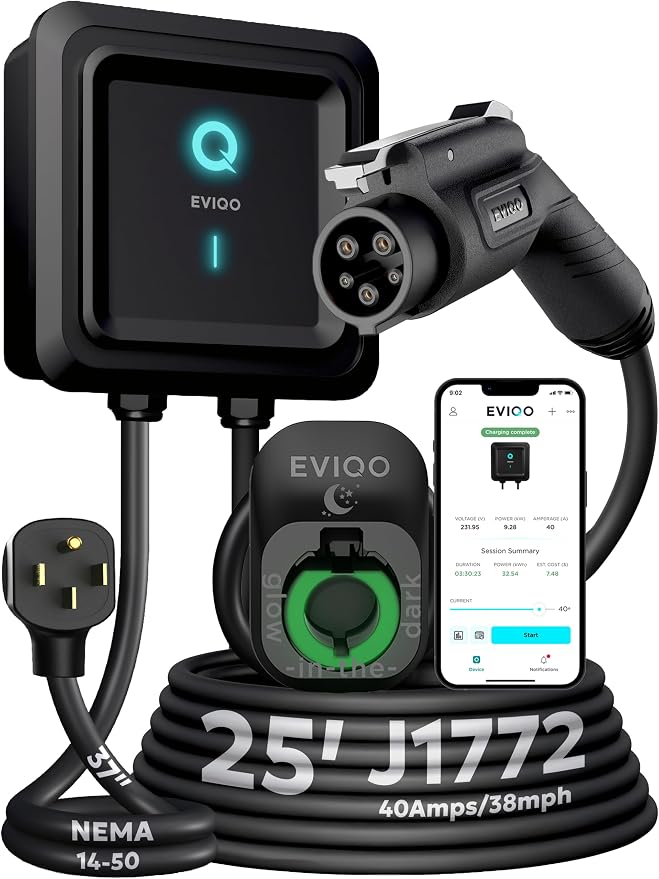
EVIQO Level 2 EV Charger J1772 48A – Hardwired 240V Wall Charging Station
The EVIQO listing is the more feature-detailed option in the supplied data. It stands out for its 25-foot charging cable, app-based current control and scheduling, and a weatherproof enclosure rating that gives buyers clearer clues about indoor or outdoor use. One limitation is that Tesla use depends on an adapter, and the exact vehicle fit still needs to be confirmed against your car and the current manufacturer guidance.
- Clear app-based charging controls, including current adjustment and scheduling
- 25-foot charging cable and IP66/NEMA-4 weatherproof enclosure
- Tesla compatibility depends on a separate J1772-to-NACS adapter
- Some installation and vehicle-specific details still need verification in current documentation
Other practical selling points include the easy-access side reset button, remote software updates, and a high-visibility holster. Those are small details, but they can improve day-to-day use in a real garage. If you want to dive deeper into the product family itself, our EVIQO Level 2 EV charger review covers the model line in more detail.
ChargePoint HomeFlex Level 2 EV Fast Charger Deep Dive
ChargePoint HomeFlex Level 2 EV Fast Charger, J1772, Smart, Hardwired, 50A
ChargePoint HomeFlex is the more brand-centric choice in this comparison. The supplied listing emphasizes ChargePoint’s network, 24/7 support, and safe, durable construction with a cold-resistant cable. The main limitation is that the supplied data is lighter on specific home-use convenience features, so shoppers should verify the current listing and manufacturer documentation if smart controls are important to them.
- Recognized ChargePoint ecosystem with 24/7 support
- UL-certified, hardwired home charger with indoor/outdoor installation language
- Smart app features are not confirmed in the supplied listing data
- Exact cable length and weather rating are not confirmed in the supplied listing data
If you are weighing ChargePoint against other home chargers, our ChargePoint HomeFlex review is a good companion read. It can help you understand where the product fits in the larger home-charging market.
Head-to-Head
Dimensions and footprint
The EVIQO listing gives a product dimension of 4 x 9.45 x 9.45 inches and a weight of 20.2 pounds. The ChargePoint HomeFlex listing gives dimensions of 7.06 inches deep by 11.19 inches wide by 7.07 inches high and a weight of 13.8 pounds. Based on the supplied data, EVIQO is the heavier unit, while ChargePoint is the lighter one.
Power and control
EVIQO explicitly lists 6-48A current control in the app and a 48A product title. ChargePoint’s supplied title lists 50A, but the provided feature bullets focus more on the charger’s general speed and circuit requirements than on app-level current control. If granular control matters, EVIQO is better documented in the supplied facts.
Installation and environment
Both are hardwired solutions. EVIQO is presented as a 240V wall charging station with an IP66/NEMA-4 enclosure, while ChargePoint HomeFlex is described as safe for indoor or outdoor installation by an electrician. That makes both relevant for garage use, but only EVIQO has a specific weatherproof enclosure rating in the supplied data.
Support and ownership
EVIQO offers a 3-year warranty and U.S.-based support with stated hours. ChargePoint highlights 24/7 support and access to its large charging network. If you want a charger from a company with a broad public charging footprint, ChargePoint has the stronger ecosystem angle; if you want a longer explicit warranty and domestic support window, EVIQO has the clearer listing advantage.
Compatibility nuance
Neither product should be treated as universally compatible with every EV. Both use J1772 for non-Tesla vehicles, and Tesla owners need an adapter. Vehicle inlet type, adapter direction, onboard AC charging limits, and installation requirements still matter.
Which One Should You Choose?
You want the more feature-rich supplied listing, including app-based current control, charging reminders, cost tracking, a 25-foot cable, and a clearly stated weatherproof enclosure. It is also the better fit if you value the explicit 3-year warranty and U.S.-based support.
You prefer the ChargePoint brand, want 24/7 support, and like the idea of staying within a familiar charging ecosystem. It also makes sense if you want a hardwired home charger from a major charging-network company and do not need the extra app details that EVIQO spells out in the supplied listing.
Buying and Compatibility Checks
- Confirm exact vehicle and connector compatibility
- Verify current product specifications and included hardware
- Confirm electrical/installation requirements from manufacturer documentation
- Check cable reach, mounting/location needs, and verified indoor/outdoor suitability
- Verify current warranty, support, price, and availability
For installation planning, it is worth reading related background on 48-amp EV charger breaker size and 48-amp EV charger wire size. Those articles are especially useful if you are comparing a higher-output hardwired charger and need to talk through the project with an electrician.
Yes, both supplied listings use J1772 for non-Tesla EVs. Tesla use is possible only if the vehicle and adapter setup are correct, so confirm the exact adapter path before buying.
The EVIQO listing is clearer on smart controls. It specifically mentions start/stop control, adjustable current, reminders, and consumption/cost tracking through the app.
Not confirmed in the supplied listing data. The listing does say it can be installed indoors or outdoors by an electrician, but that is not the same as a specific weatherproof rating.
EVIQO does, because the supplied listing states a 25-foot charging cable. ChargePoint HomeFlex’s exact cable length is not confirmed in the supplied data.
No. Current rating matters, but installation requirements, vehicle charging limits, cable reach, support, and compatibility are just as important. Verify the current manufacturer documentation before you decide.
- EVIQO Level 2 EV Charger J1772 48A: strongest supported use case for buyers who want the more detailed feature set, 25-foot cable, app controls, and a 3-year warranty; main trade-off is that Tesla use still depends on a separate adapter and current documentation.
- ChargePoint HomeFlex Level 2 EV Fast Charger: strongest supported use case for buyers who want the ChargePoint ecosystem, 24/7 support, and a recognized hardwired home charger; main trade-off is that the supplied listing leaves more home-use features unconfirmed.
- Before buying: verify your vehicle’s connector/adapter needs and confirm the manufacturer’s current installation instructions with a qualified electrician where required.
If you want the short version, EVIQO is the more feature-forward home charger from the supplied listing, while ChargePoint HomeFlex is the more ecosystem-driven option. Either can make sense depending on how you charge, where you park, and how much you value app controls versus brand support.
One Comment