Tera Electric Vehicle Charger J1772 vs EVDANCE 40Amp EV
Tera Electric Vehicle Charger J1772: ETL Certified vs EVDANCE Level 2 EV Charger 40Amp, 240V is a practical comparison for U.S. EV owners deciding between a home-focused EVSE and a portable Level 2 charger. Both are 240-volt, 40-amp class products, but they emphasize different use cases and setup preferences.
Choose the Tera Electric Vehicle Charger J1772: ETL Certified if you want a straightforward home EVSE with ETL certification and 24/7 email plus weekday phone support. Choose the EVDANCE Level 2 EV Charger 40Amp, 240V if you want a portable charger with a NEMA 14-50P plug, adjustable current settings, delayed charging, and a 25-foot cable. The most important verification before buying is current vehicle compatibility and installation requirements in the manufacturer’s documentation.
Because the supplied listing data is limited, the safest comparison is to focus on what each product clearly states: connector type, output, portability, support, and the safety or convenience features that are actually confirmed. If you are also evaluating whether 40 amps is the right home-charging target, our guide on whether 40 amps is enough for Level 2 charging may help frame the decision.
Quick Comparison
| Feature | Tera Electric Vehicle Charger J1772: ETL Certified | EVDANCE Level 2 EV Charger 40Amp, 240V |
|---|---|---|
| Product image | 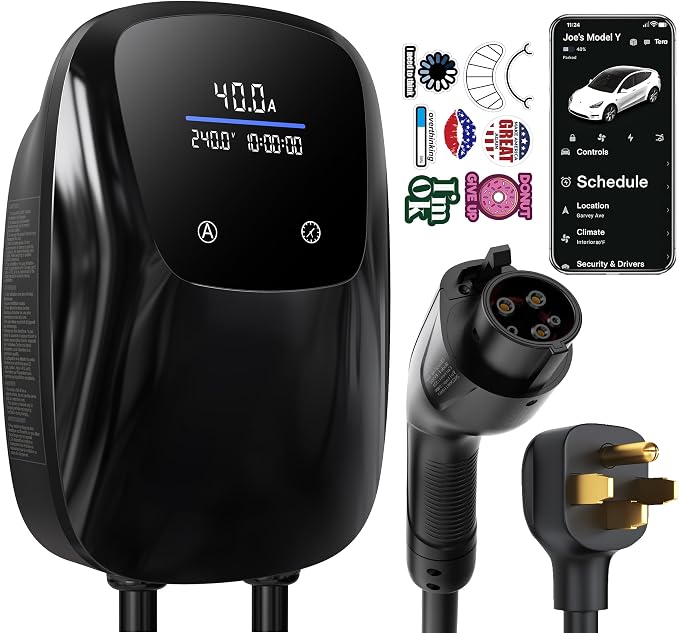 |
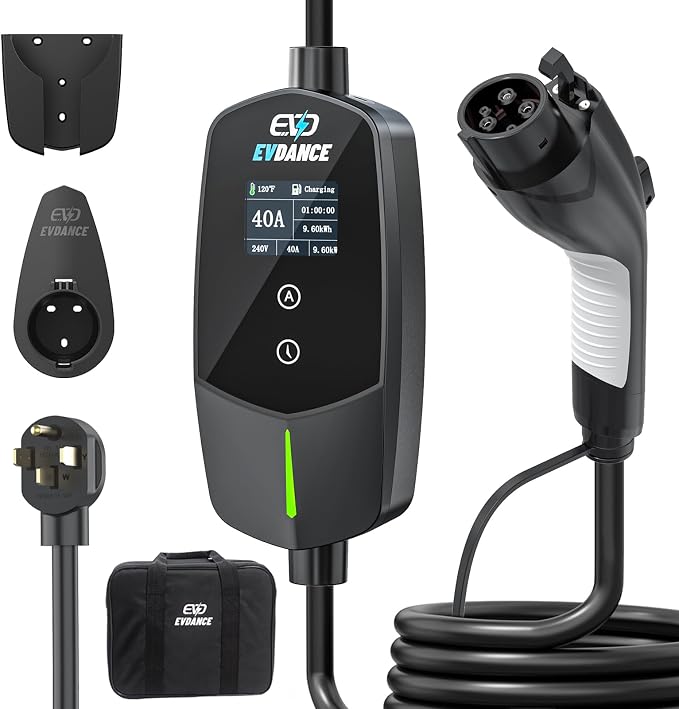 |
| Product type | Level 2 home EVSE | Portable Level 2 EV charger |
| Connector / fit | J1772 | J1772 |
| Stated output | 240 volts; 40 amp in title | 240V; 40A; 9.6 kW |
| Plug / install clue | Not confirmed in supplied listing data | NEMA 14-50P |
| Adjustable current | Not confirmed in supplied listing data | 10A/16A/20A/24A/32A/40A |
| Delay charging | Not confirmed in supplied listing data | Delay start 1-12 hrs |
| Weather suitability | Not confirmed in supplied listing data | IP66; -22°F to +122°F |
| Support / warranty | Two-year comprehensive warranty; 24/7 email and weekday phone support | Not confirmed in supplied listing data |
| Current price | See Price → | See Price → |
What Matters Most
For this matchup, the most important decision factors are not just raw amperage. The real differences are in installation style, portability, adjustability, weather suitability, and support details that may matter more than the headline charging number.
1) Home EVSE vs portable charger
The Tera model is positioned as a home EVSE, which may appeal to owners who want a more permanent charging setup. The EVDANCE model is explicitly portable, which can be useful if you charge in more than one place or want a charger you can move between locations.
2) Connector and vehicle fit
Both products use J1772 on the charger side, which is the key physical fit detail confirmed in the listings. That said, physical connector fit is not the same as guaranteed compatibility with every EV, so you should verify your vehicle’s inlet and charging requirements before buying.
3) Installation and power source clues
The EVDANCE listing specifically mentions a NEMA 14-50P plug, while the Tera listing does not confirm a plug type in the supplied data. If plug-in portability matters, that is a meaningful difference. For broader context on home charging power, see our article on the 40 amp Level 2 charger.
4) Adjustability and charging control
EVDANCE stands out for adjustable current settings from 10A to 40A and a delayed charging function from 1 to 12 hours. Those features may help users tailor charging to their schedule or electrical setup. The Tera listing does not confirm equivalent controls in the supplied data.
5) Weather and portable use
EVDANCE also lists an IP66 waterproof rating and an operating range from -22°F to +122°F. That makes it easier to evaluate for outdoor or mixed-use scenarios. No comparable weather rating is confirmed for Tera in the supplied listing data.
6) Support and warranty
Tera has the clearer support story in the supplied facts: a two-year comprehensive warranty plus 24/7 email support and weekday phone support. EVDANCE may still offer support, but it is not confirmed in the supplied data, so you should check the current listing or manufacturer documentation.
Tera Electric Vehicle Charger J1772: ETL Certified Deep Dive
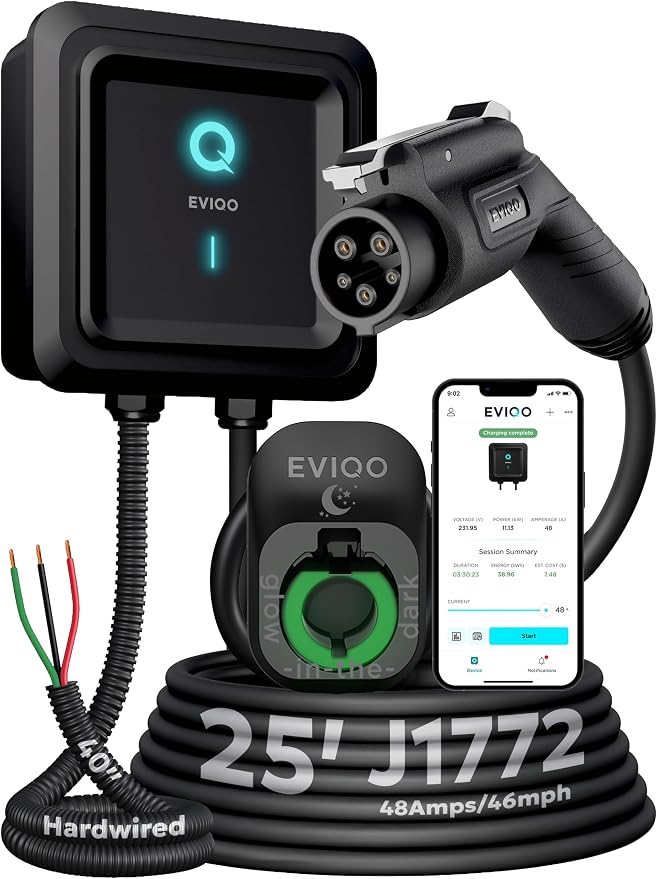
Tera Electric Vehicle Charger J1772: ETL Certified Level 2 40 Amp 240 Volt DIY Stickers Home EVSE with
The Tera charger is the more support-forward option in the supplied data. Its listing confirms ETL certification and mentions a two-year comprehensive warranty, plus 24/7 email support and weekday phone support. The main limitation is that several practical details, including plug type, cable specifics, and weather suitability, are not confirmed in the supplied listing data.
- ETL certified in the supplied listing data
- Two-year comprehensive warranty with 24/7 email and weekday phone support
- Plug type and other installation details are not confirmed in the supplied listing data
- No confirmed weather rating or adjustable current features in the supplied facts
If you are comparing this style of charger with other home Level 2 options, our roundup of best 40 amp Level 2 EV chargers may be a useful next read.
EVDANCE Level 2 EV Charger 40Amp, 240V Deep Dive
EVDANCE Level 2 EV Charger 40Amp, 240V 9.6KW Portable Electric Vehicle Charging Stations with NEMA 14-50P, 25FT Cable
EVDANCE is the more feature-rich portable option in the supplied facts. It clearly states a NEMA 14-50P plug, a 25-foot cable, adjustable current settings, delayed charging, and IP66 weather resistance. The main limitation is that warranty, support, and any installer-specific requirements are not confirmed in the supplied listing data.
- Portable design with NEMA 14-50P plug and 25-foot cable
- Adjustable current settings and delayed charging function
- Warranty and support details are not confirmed in the supplied listing data
- Compatibility still depends on the vehicle and the charging setup, not just the J1772 connector
Head-to-Head
Form factor and daily use
Tera is presented as a home EVSE, while EVDANCE is explicitly portable. That makes EVDANCE easier to imagine as a travel-friendly or multi-location charger, while Tera may fit better as a fixed home solution.
Connector and charging standard
Both listings confirm J1772, so the physical connector side is aligned. That does not automatically mean every EV can use either charger without issue; the vehicle’s inlet and onboard AC charging requirements still matter.
Power and output language
Tera confirms 240 volts and references 40 amp in the title. EVDANCE confirms 240V, 40A, and 9.6 kW. The extra wattage detail gives EVDANCE a slightly more explicit spec sheet in the supplied data, but you should still verify how that applies to your vehicle and installation.
Convenience features
EVDANCE has the stronger convenience feature set in the supplied facts: adjustable current settings and delayed charging. Tera does not have those features confirmed, but it does have the clearer support and warranty information.
Weather and ruggedness
EVDANCE includes an IP66 rating and a stated temperature range, which is valuable for people charging outdoors or in variable weather. Tera does not have a weather rating confirmed in the supplied data.
Which One Should You Choose?
You want a home-focused Level 2 EVSE with ETL certification and the clearest warranty/support information in the supplied listings. It is the better fit if responsive manufacturer support matters more to you than portable convenience or adjustable charging controls.
You want a portable 240V, 40A charger with a NEMA 14-50P plug, a 25-foot cable, adjustable current settings, and delayed charging. It is the better fit if flexibility and convenience features are your top priorities.
There is no universal winner here. The right pick depends on whether you value support and certification clarity more, or portability and charging flexibility more.
Buying and Compatibility Checks
- Confirm exact vehicle and connector compatibility
- Verify current product specifications and included hardware
- Confirm electrical/installation requirements from manufacturer documentation
- Check cable reach, mounting/location needs, and verified indoor/outdoor suitability
- Verify current warranty, support, price, and availability
For readers still comparing charging capacity and setup, our guides on 40 amp EV charger breaker size and what size wire a 40 amp EV charger needs can help you prepare the right questions for a qualified electrician. Do not assume either product is ready for your home without checking the manufacturer’s instructions and your electrical panel capacity.
FAQs
Yes, both listings confirm J1772. That means the charger-side connector standard is the same, but you still need to verify your vehicle’s inlet and charging compatibility.
The EVDANCE model is explicitly described as portable. The Tera listing is presented as a home EVSE, so it reads more like a fixed home charging option.
EVDANCE does, with an IP66 rating and a stated operating temperature range. Tera’s supplied listing data does not confirm a weather rating.
Tera provides the clearer support details in the supplied facts, including a two-year comprehensive warranty and support hours. EVDANCE support details are not confirmed in the supplied listing data.
No. Amperage is only one part of the decision. Installation style, vehicle compatibility, cable reach, and whether you need portability or adjustable current settings can matter just as much.
- Tera Electric Vehicle Charger J1772: ETL Certified: strongest supported use case is a home EVSE buyer who values ETL certification and clearer warranty/support information; the main trade-off is that several practical setup details are not confirmed in the supplied listing data.
- EVDANCE Level 2 EV Charger 40Amp, 240V: strongest supported use case is a portable-charger buyer who wants a NEMA 14-50P plug, 25-foot cable, adjustable current, and delayed charging; the main trade-off is that warranty and support are not confirmed in the supplied listing data.
- Before buying: verify vehicle compatibility, installation requirements, and the current manufacturer documentation for plug type, included hardware, and electrical setup.
In short, Tera leans toward support and home-charging confidence, while EVDANCE leans toward portability and convenience features. The better choice is the one that matches your parking situation and your vehicle’s verified charging needs.

One Comment