1 Best Smart EV Charger with Load Management for Your Home
We compare the Leviton 48A hardwired smart EV charger with load management for home use, covering app features, 18-ft cable, and key installation checks.
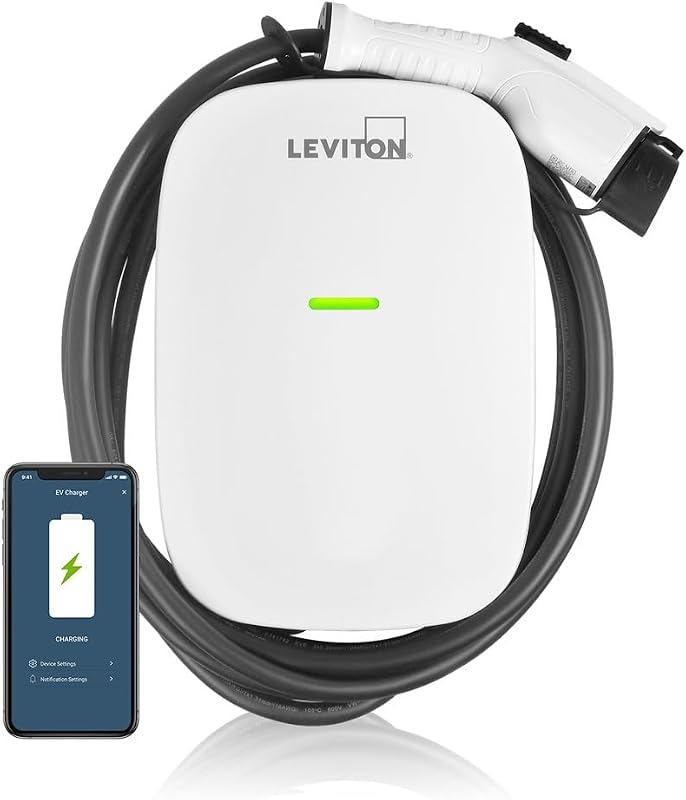
We compare the Leviton 48A hardwired smart EV charger with load management for home use, covering app features, 18-ft cable, and key installation checks.
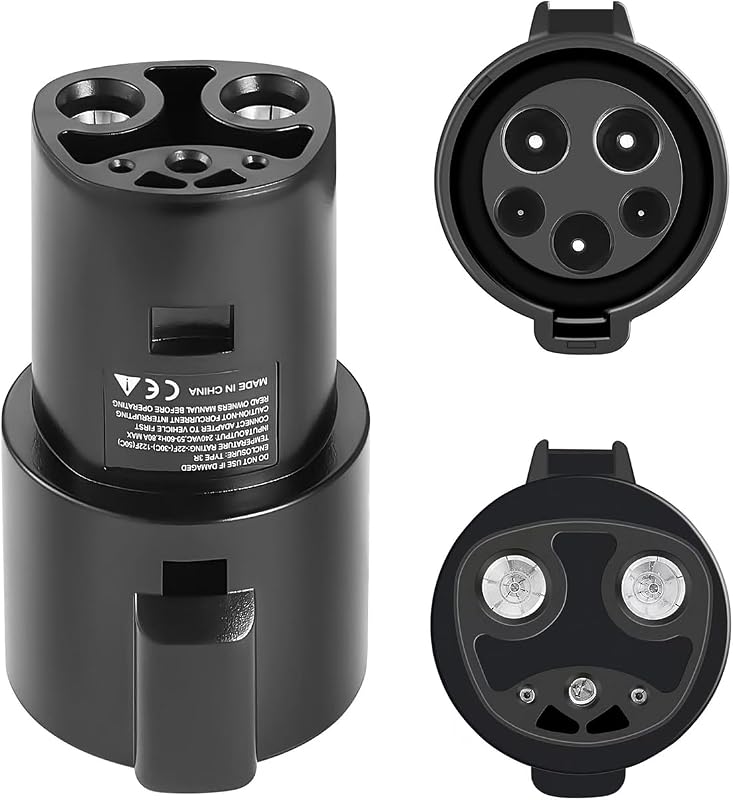
Choose the J1772 adapter for Tesla by connector direction and charging-mode limits. Confirm vehicle fit and the supported charging mode before ordering.
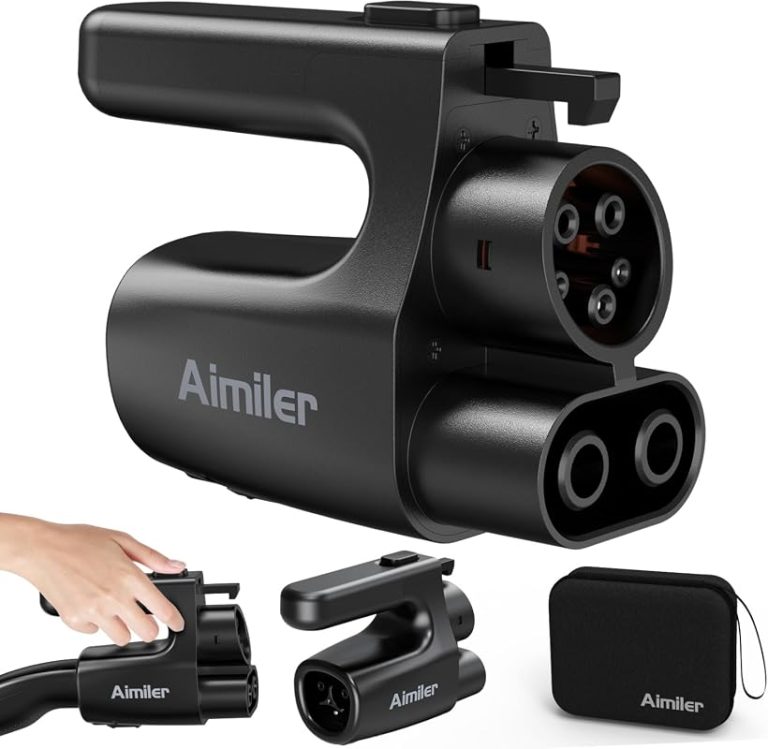
Find the best NACS adapter for non-Tesla EVs: compare CCS1 Supercharger access, 500A DC ratings, J1772 AC options, UL 2252 safety, and adapter direction.
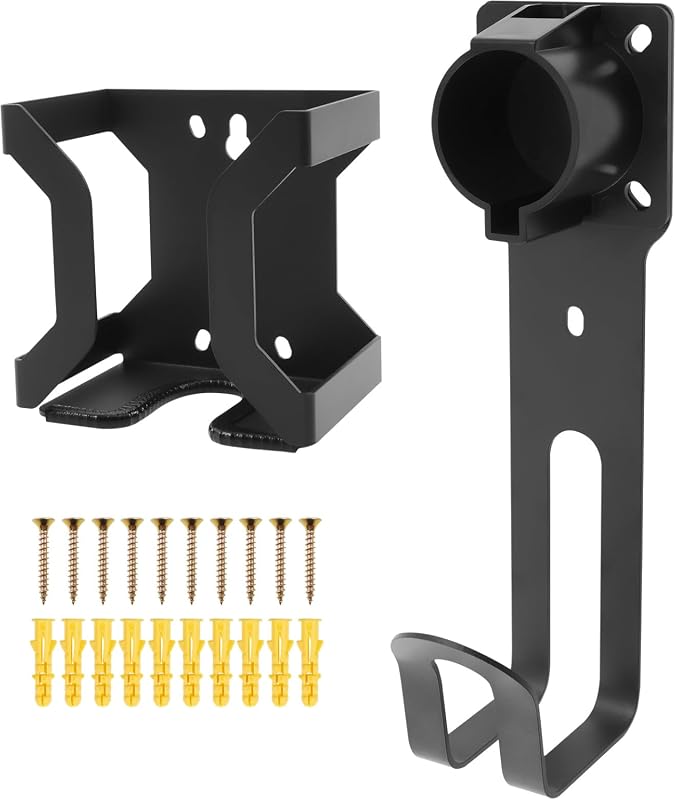
Compare the EV charger holster by mounting fit and cable storage. Check charger dimensions, cable support, mounting method, and exposure before buying.
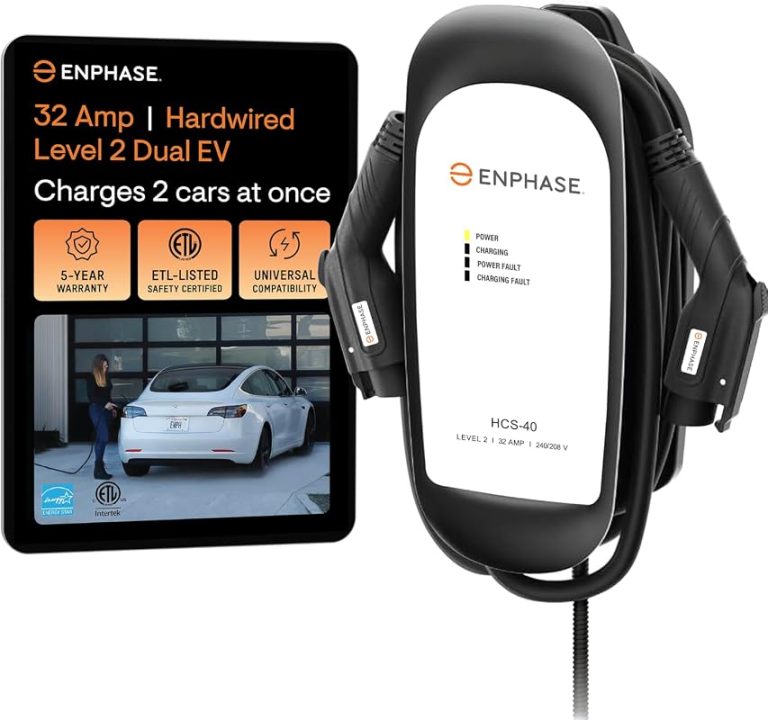
Compare the dual EV charger for home by two-EV charging, load sharing, and connector type. Check both vehicles and the home charging setup before buying.
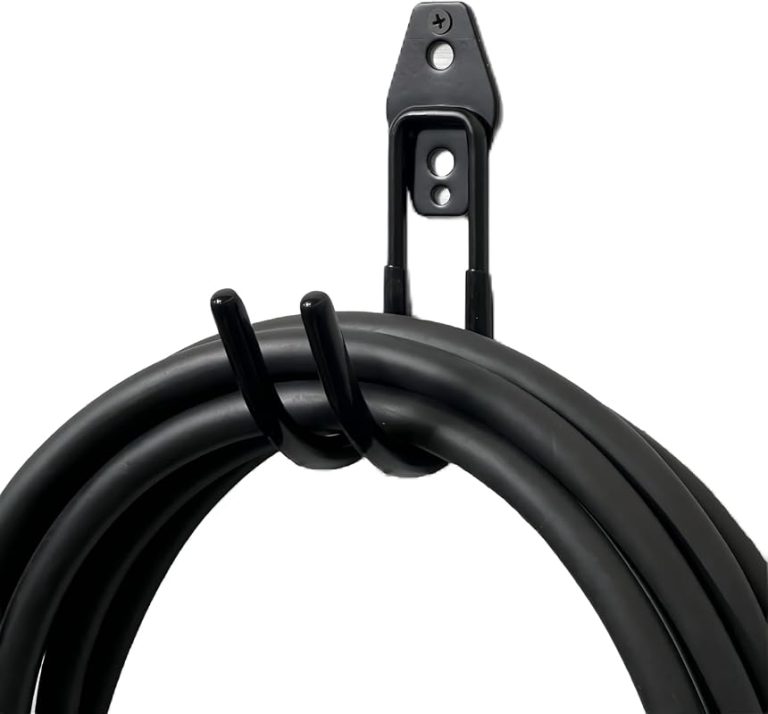
Compare the EV charger cable management by cable rating and reach. Check charger dimensions, cable support, mounting method, and exposure before buying.
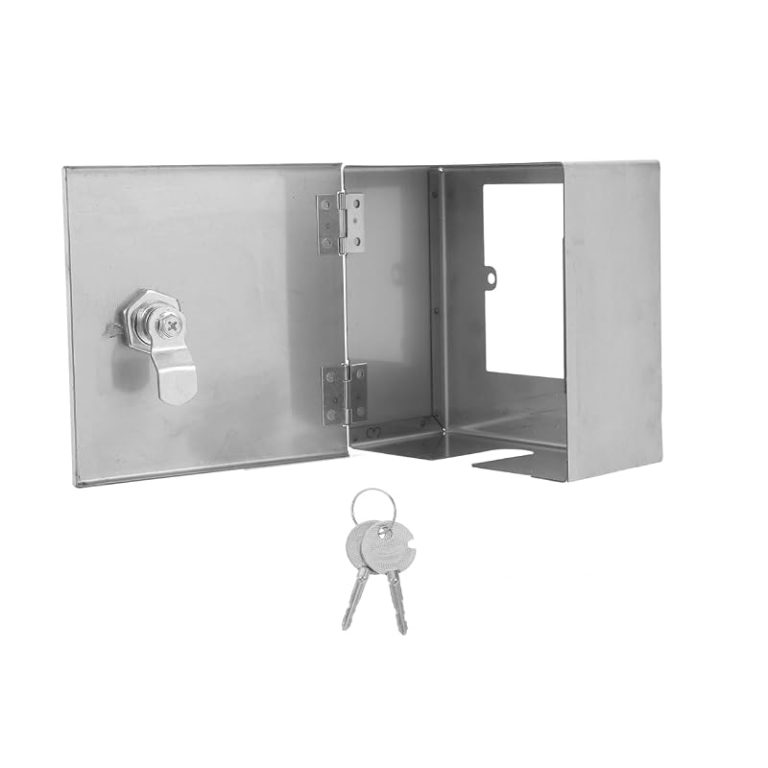
Compare the EV charger enclosure outdoor by connector type and installation. Check verified EV-charging fit and setup requirements before buying.
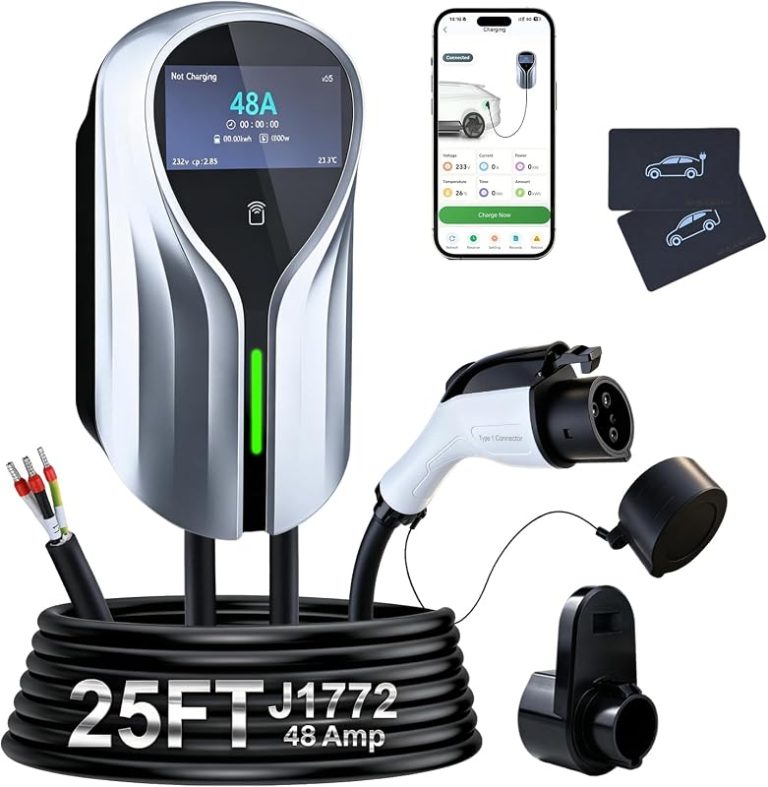
Compare the best smart EV charger for home by amperage, connector, cable reach, app control, and installation type. Find your ideal Level 2 charger today.
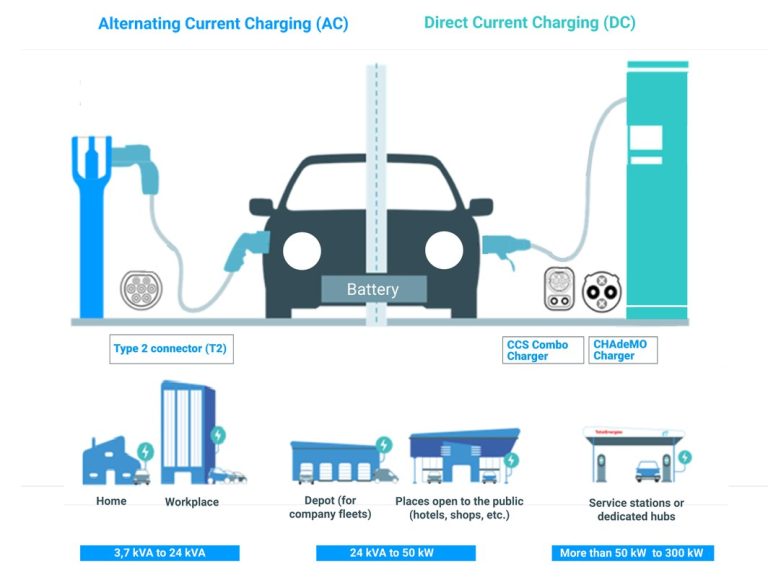
Quick Verdict A portable EV charger, properly called EVSE, supplies AC power from a wall outlet or 240 V receptacle and lets your vehicle’s onboard charger convert it to DC for the battery. The main check is compatibility: the lowest rating among the circuit, EVSE setting, adapter, and onboard charger sets your actual charging speed….
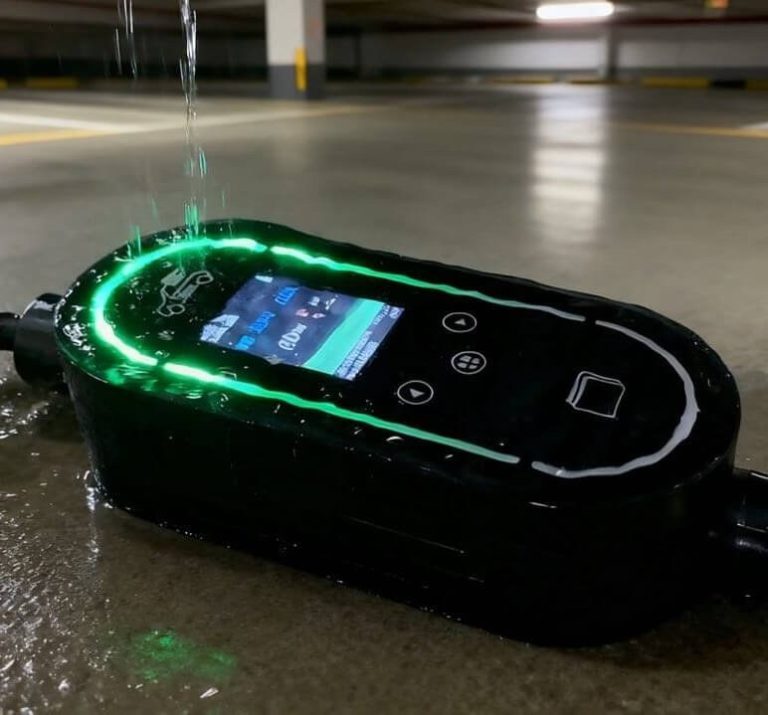
Quick Verdict Most portable EV chargers are water-resistant, not waterproof, and the IP rating usually covers the control box rather than the plug, outlet, or cable. Check the manufacturer’s indoor/outdoor statement and the operating temperature range before charging outdoors in rain or snow. If you are wondering “are portable ev chargers waterproof,” the honest answer…
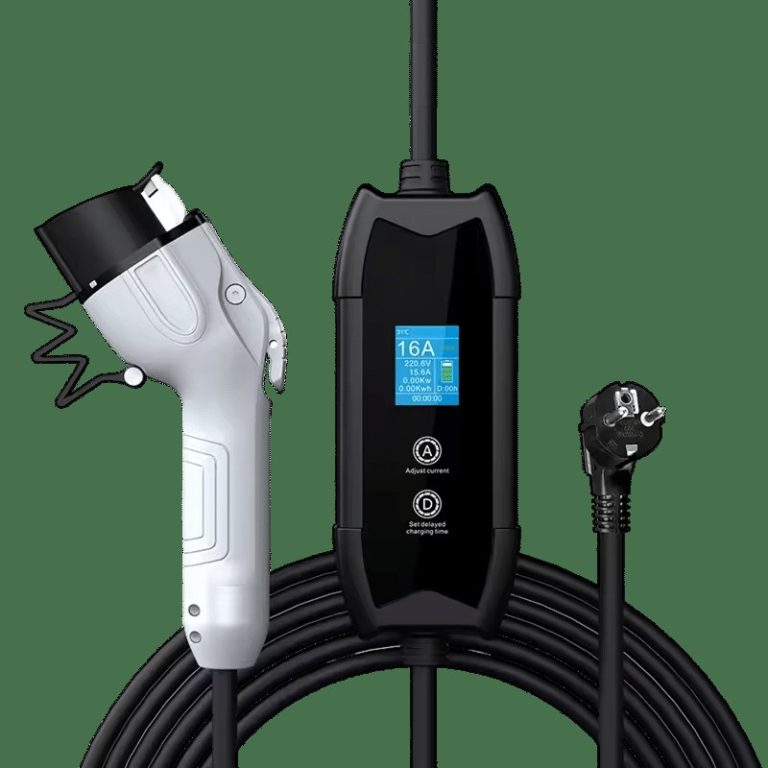
Quick Verdict Portable EV chargers are safe when they are properly listed, plugged into a compatible outlet on a circuit that matches the manufacturer’s instructions, and used without extension cords or improvised adapters. The real risk sits in the outlet, the wiring, and the cord setup — not in the EVSE itself. The short answer…
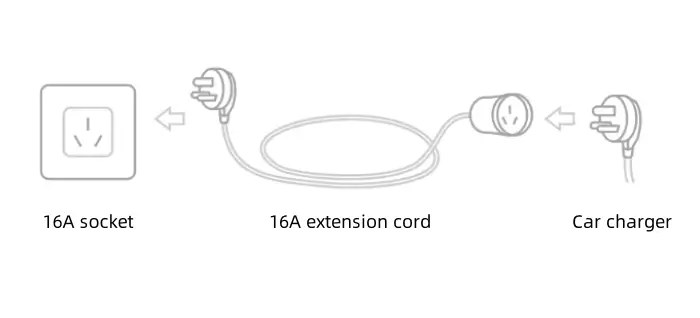
Quick Verdict You can use an extension cord with a portable EV charger only if the EVSE manual, the cord’s continuous-duty rating, your circuit, and local code all allow it. For daily Level 2 charging, a dedicated receptacle or hardwired EVSE is the safer and usually cheaper long-term answer. The short answer to “can you…
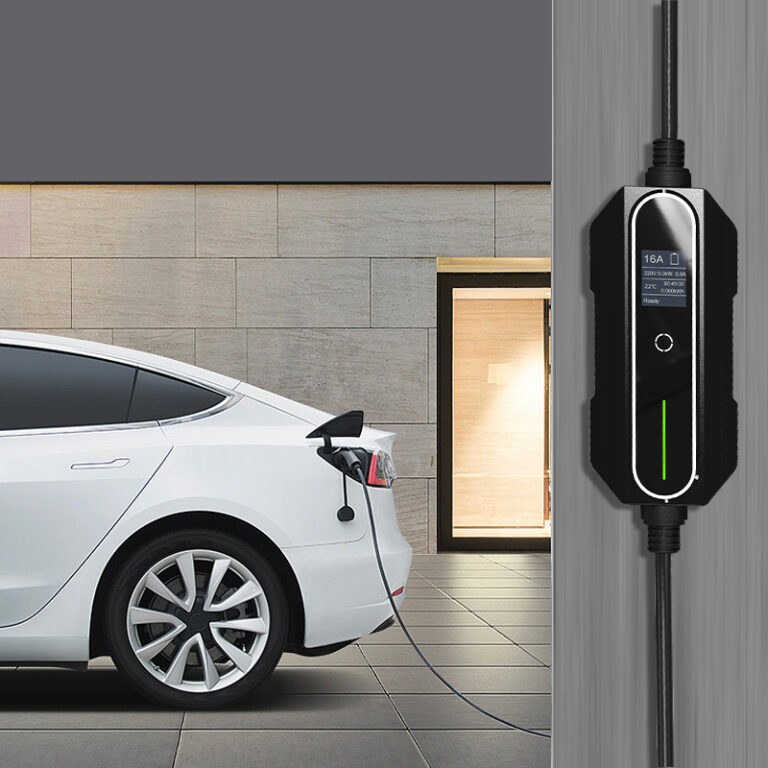
Quick Verdict Portable EV chargers are worth it mainly for renters, multi-location drivers, and anyone who needs movable 240-volt charging or a travel backup. They are usually the wrong choice for nightly home charging, where a hardwired Level 2 unit is faster, better protected, and less hassle. If you are asking are portable ev chargers…
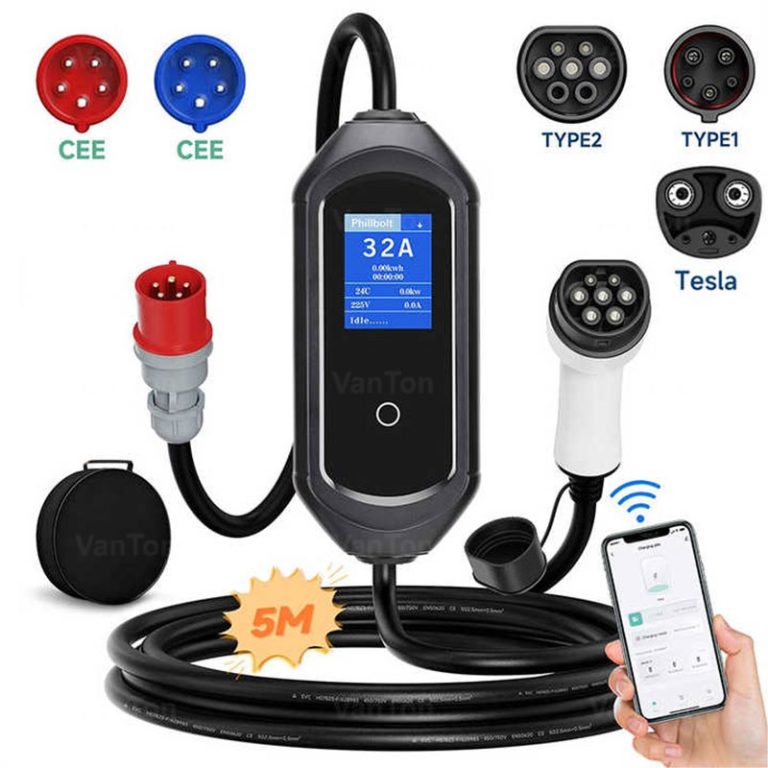
Quick Verdict Most portable EV chargers cost roughly $150 to $1,500 in 2026, with the typical daily-driver unit landing between $400 and $800 before installation or adapters. The bigger constraint is usually your vehicle’s onboard charger limit and the circuit you can safely plug into. If you are asking how much does a portable ev…
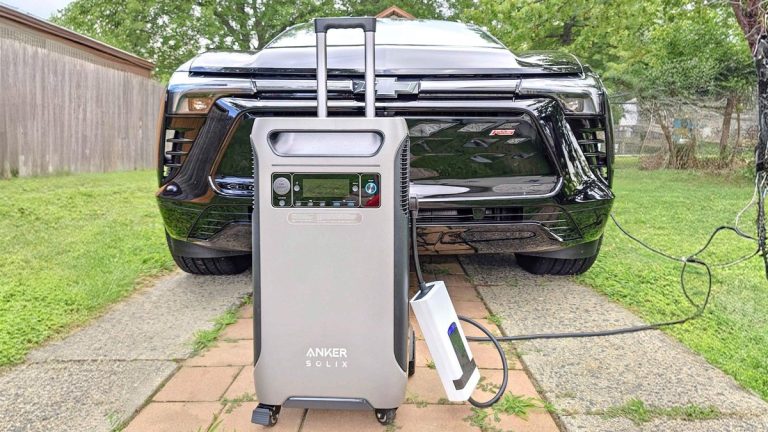
Quick Verdict Most portable EV chargers last about three to seven years of normal use, though heat, weather, and running at maximum amperage can shorten that. The main check is matching the unit to your vehicle’s onboard-charger limit and your circuit capacity. If you are asking how long do portable ev chargers last, the practical…