Emissions Free Cars
  • Home
  • EV Chargers
    • Level 2 Home Chargers
    • Portable EV Chargers
    • Hardwired EV Chargers
    • Dual EV Chargers
  • Adapters & Accessories
    • NACS Adapters
    • J1772 & CCS Adapters
    • Charging Cables & Extensions
    • Holders, Mounts & Cable Management
  • EV Guides
    • Home Charging Setup
    • Charging Cost & Electricity
    • Battery Health & Longevity
    • Range & Charging Efficiency
Skip to content
  • Is Level 2 Charging Bad for EV Battery Health?
    Battery Health & Longevity | Level 2 Home Chargers

    Is Level 2 Charging Bad for EV Battery Health?

    ByMark Reynolds October 1, 2026

    Quick Verdict Level 2 AC charging is not bad for EV battery health — it is a low-rate charge that most manufacturers design around for daily use. The bigger factors are temperature, state of charge, and how often you use DC fast charging, so follow your owner’s manual limits. If you have been searching for…
    Read More Is Level 2 Charging Bad for EV Battery Health?Continue

  • What Is NACS Charging? EV Charging Standard Explained
    EV Guides | NACS Adapters

    What Is NACS Charging? EV Charging Standard Explained

    ByMark Reynolds October 1, 2026

    Quick Verdict NACS, standardized as SAE J3400, is a connector that carries both AC and DC charging through one compact plug — it is an interface standard, not a charging network. The main check is whether your vehicle inlet, adapter direction, network access, and onboard charger limits actually line up before you rely on it….

    Read More What Is NACS Charging? EV Charging Standard ExplainedContinue

  • What Is J1772 Charging? AC EV Charging Explained
    EV Guides | J1772 & CCS Adapters

    What Is J1772 Charging? AC EV Charging Explained

    ByMark Reynolds October 1, 2026

    Quick Verdict J1772 is the SAE standard for AC charging in North America, covering both 120 V Level 1 and 240 V Level 2 through a five-pin connector that cannot deliver DC fast charging. The main check is your vehicle’s onboard charger limit, since a higher-amperage EVSE will not speed up a car that cannot…

    Read More What Is J1772 Charging? AC EV Charging ExplainedContinue

  • Can a Tesla Use a J1772 Charger? Yes, With an Adapter
    Adapters & Accessories | EV Guides | J1772 & CCS Adapters

    Can a Tesla Use a J1772 Charger? Yes, With an Adapter

    ByMark Reynolds October 1, 2026

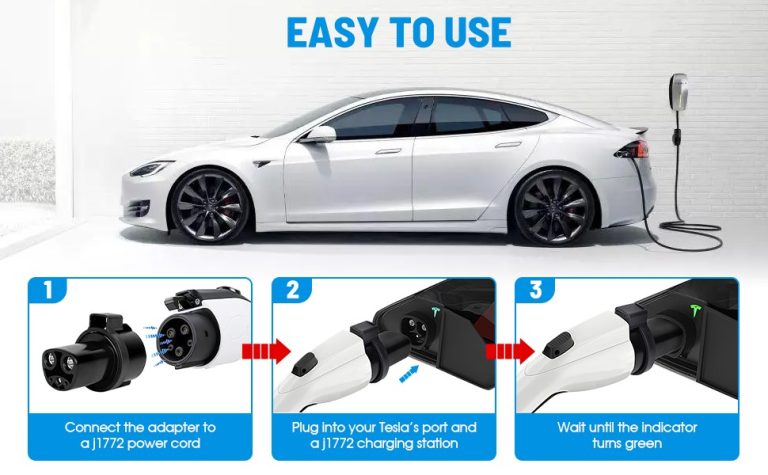
    Quick Verdict Yes — a Tesla with a NACS charge port can use a J1772 station by adding a J1772-to-NACS adapter, but only for Level 1 and Level 2 AC charging. Confirm the adapter’s safety listing and amperage rating, and remember your car’s onboard charger sets the real speed ceiling. Can a Tesla use a…

    Read More Can a Tesla Use a J1772 Charger? Yes, With an AdapterContinue

  • Can Non-Tesla Cars Use Tesla Chargers? NACS Access Explained
    EV Guides | NACS Adapters

    Can Non-Tesla Cars Use Tesla Chargers? NACS Access Explained

    ByMark Reynolds October 1, 2026

    Quick Verdict Yes — non-Tesla EVs can use many Tesla chargers, but only when the connector, adapter direction, and Tesla network access all line up for your specific vehicle. The main limitation is that not every Supercharger site is open to other brands, and DC adapters must be manufacturer-approved. Can non Tesla cars use Tesla…

    Read More Can Non-Tesla Cars Use Tesla Chargers? NACS Access ExplainedContinue

  • NACS Adapter Not Working? Common Causes and Fixes
    Adapters & Accessories | NACS Adapters

    NACS Adapter Not Working? Common Causes and Fixes

    ByMark Reynolds October 1, 2026

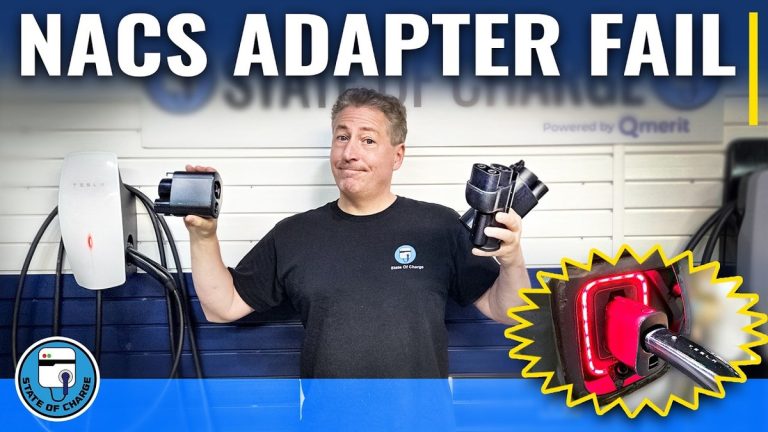
    Quick Verdict Most NACS adapter failures come down to the wrong adapter direction or charging mode, a vehicle or network that has not authorized the session, or a power or thermal limit in the chain. Confirm the adapter’s documented AC or DC rating and vehicle or network eligibility before assuming the hardware is faulty. When…

    Read More NACS Adapter Not Working? Common Causes and FixesContinue

  • Tesla J1772 Adapter Not Working? Troubleshooting Guide
    Adapters & Accessories | EV Guides | J1772 & CCS Adapters

    Tesla J1772 Adapter Not Working? Troubleshooting Guide

    ByMark Reynolds October 1, 2026

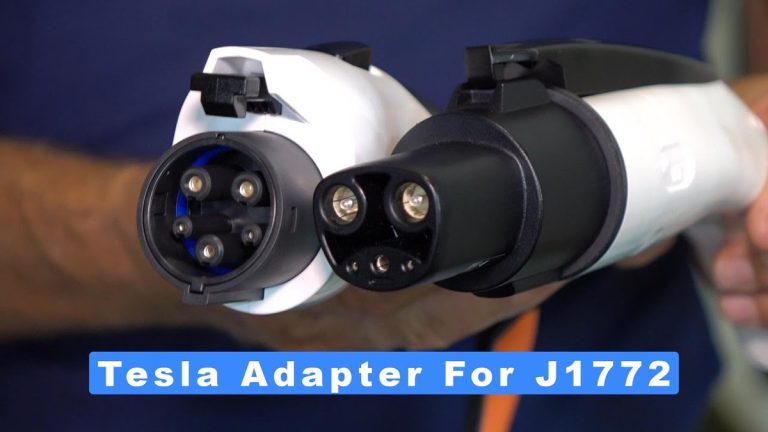
    Quick Verdict Most Tesla J1772 adapter failures come down to wrong adapter direction, an unseated latch, dirty pins, or an EVSE current setting above the circuit or vehicle limit. The adapter is a passive AC-only pass-through, so it will never enable DC fast charging. A Tesla J1772 adapter not working is usually a fitment, direction,…

    Read More Tesla J1772 Adapter Not Working? Troubleshooting GuideContinue

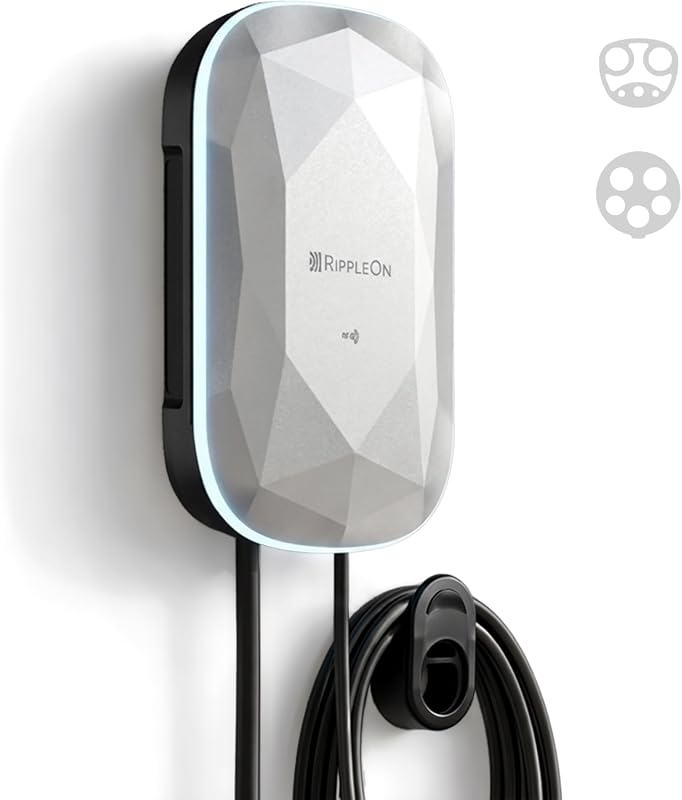
  • Outdoor EV Charger Installation: What Homeowners Should Know
    EV Guides | Level 2 Home Chargers

    Outdoor EV Charger Installation: What Homeowners Should Know

    ByMark Reynolds October 1, 2026

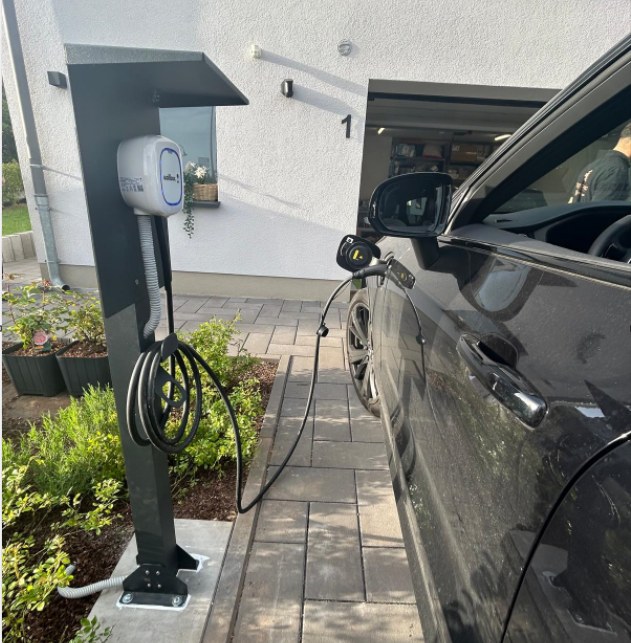
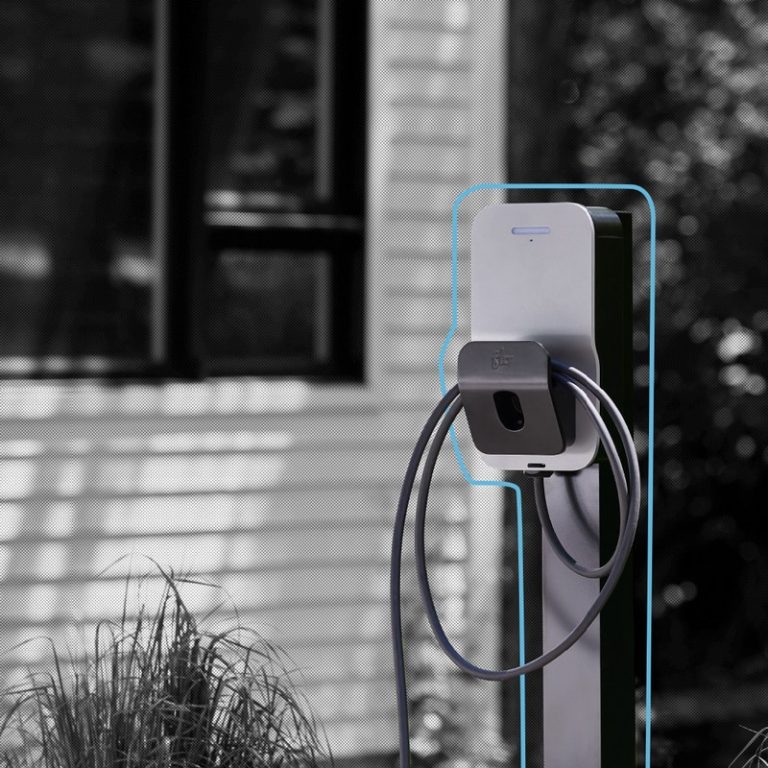
    Quick Verdict Outdoor EV charger installation works best when the EVSE matches the vehicle’s AC inlet and onboard charger limits, the panel and circuit can safely support the load, and the mounting spot meets the unit’s weather rating and local code. The main check is confirming the vehicle’s real AC charging ceiling and the panel’s…

    Read More Outdoor EV Charger Installation: What Homeowners Should KnowContinue

  • Can an EV Charger Be Installed Outside? What to Know
    EV Guides | Level 2 Home Chargers

    Can an EV Charger Be Installed Outside? What to Know

    ByMark Reynolds October 1, 2026

    Quick Verdict Yes, an EV charger can be installed outside in most US locations, provided the EVSE has a documented outdoor enclosure rating and the circuit is installed to code. The main checks are the manufacturer’s environmental limits, your panel capacity, and local permit and inspection requirements. Yes — can EV charger be installed outside,…

    Read More Can an EV Charger Be Installed Outside? What to KnowContinue

  • Outdoor EV Charger Requirements: What You Need to Know
    EV Guides | Level 2 Home Chargers

    Outdoor EV Charger Requirements: What You Need to Know

    ByMark Reynolds October 1, 2026

    Quick Verdict Outdoor EV charger requirements come down to a weather-rated EVSE, a dedicated circuit sized to the manufacturer’s instructions, and an installation that passes local code, permit, and inspection. The main limitation is that breaker size, wire gauge, and amperage are never universal — they depend on your charger, your vehicle, and your panel….

    Read More Outdoor EV Charger Requirements: What You Need to KnowContinue

  • Can You Run an EV Charger Cable Under a Garage Door?
    Charging Cables & Extensions | EV Guides | Level 2 Home Chargers

    Can You Run an EV Charger Cable Under a Garage Door?

    ByMark Reynolds October 1, 2026

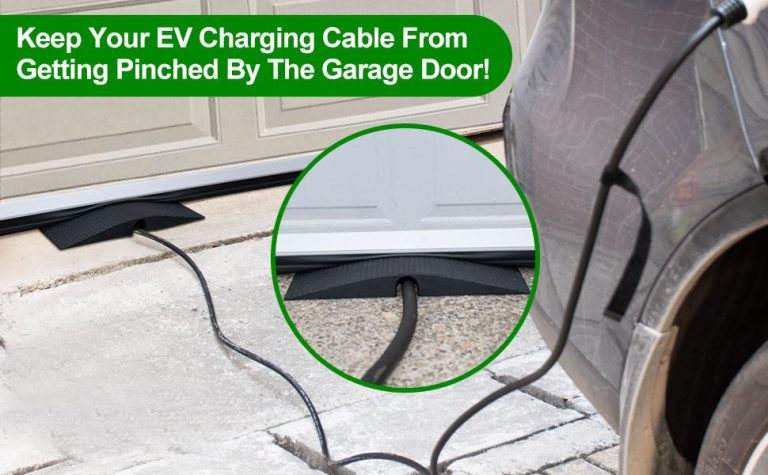
    Quick Verdict You can physically run a charging cable under a garage door, but it is only reasonable as a temporary fix — a closing door can crush the jacket and most EVSE manuals prohibit it. The safer long-term answer is an exterior 240V outlet, a wall pass-through, or a hardwired outdoor EVSE. Running an…

    Read More Can You Run an EV Charger Cable Under a Garage Door?Continue

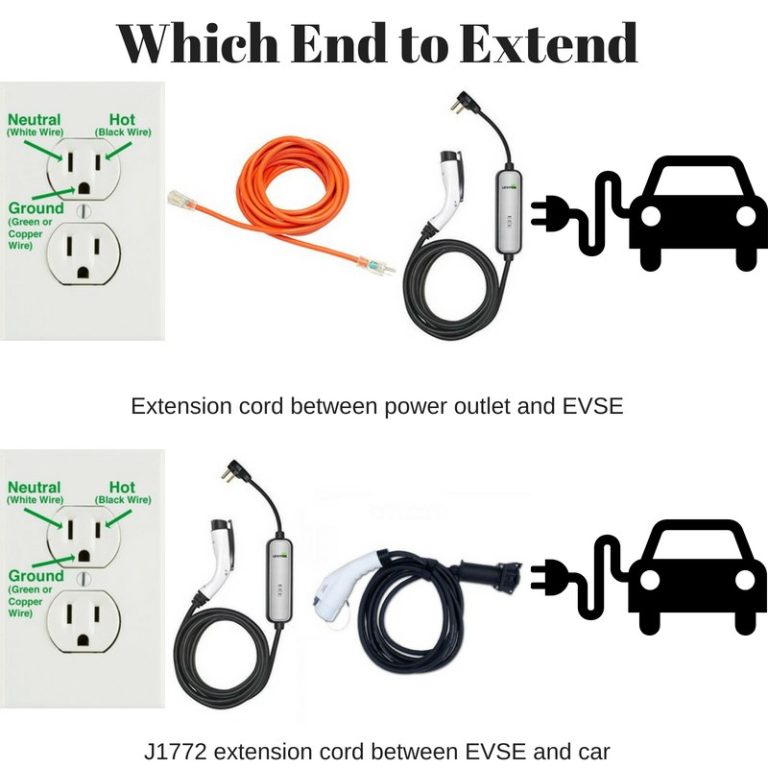
  • EV Charger Extension Cord Safety: Risks and Safe Practices
    Charging Cables & Extensions | Level 2 Home Chargers

    EV Charger Extension Cord Safety: Risks and Safe Practices

    ByMark Reynolds October 1, 2026

    Quick Verdict Most EV and EVSE manufacturers prohibit extension cords for charging, and the only defensible use is a short, heavy-gauge, EV-rated cord in a temporary, supervised setup. The durable fix is a dedicated circuit or a longer-cable EVSE, because continuous EV current is what turns a marginal cord into a fire risk. EV charger…

    Read More EV Charger Extension Cord Safety: Risks and Safe PracticesContinue

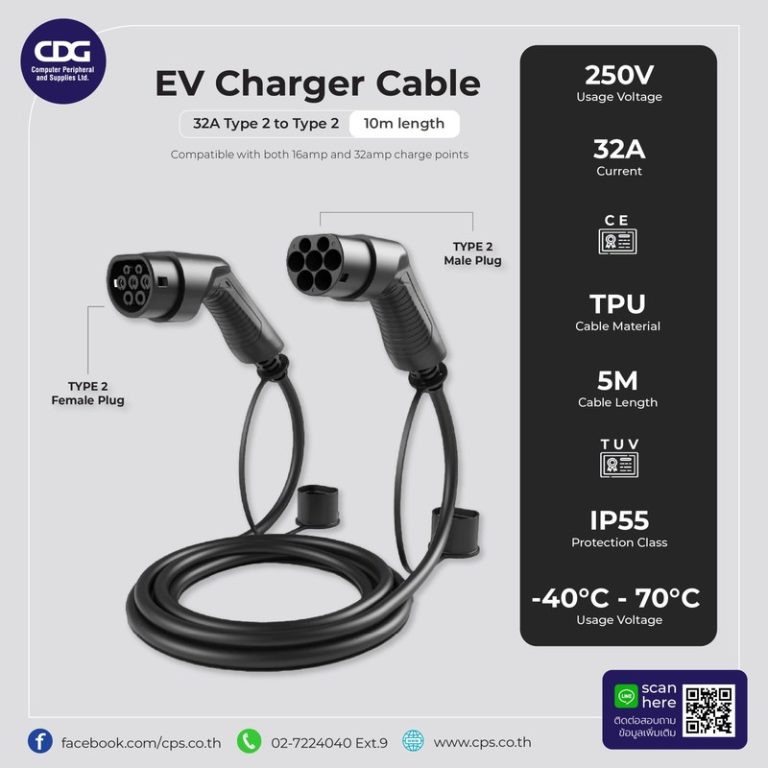
  • EV Charger Cable Length: How Long Should It Be?
    Charging Cables & Extensions | EV Guides | Level 2 Home Chargers

    EV Charger Cable Length: How Long Should It Be?

    ByMark Reynolds October 1, 2026

    Quick Verdict For most U.S. homes, a 25-foot Level 2 EV charger cable is the practical default, with 15–18 feet for tight garages and 30+ feet for far-wall mounts or shared driveways. The main check is measuring the real cable path to your vehicle’s charge port before ordering, since connector type and onboard-charger limits matter…

    Read More EV Charger Cable Length: How Long Should It Be?Continue

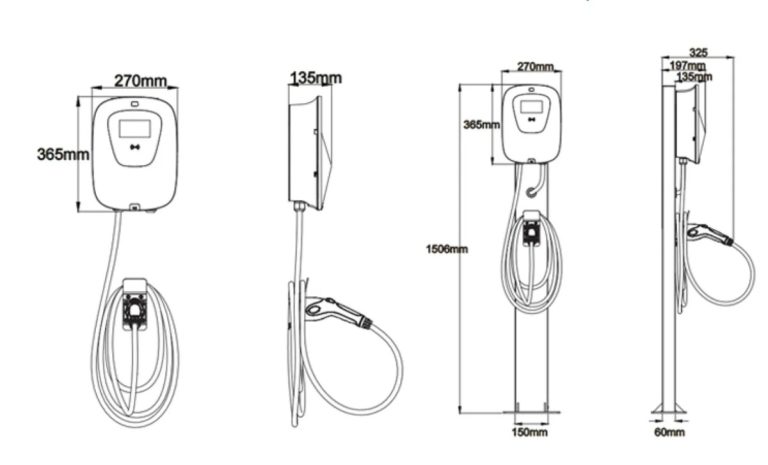
  • EV Charger Wall Mount Height: How High Should You Install It?
    EV Guides | Holders, Mounts & Cable Management | Level 2 Home Chargers

    EV Charger Wall Mount Height: How High Should You Install It?

    ByMark Reynolds October 1, 2026

    Quick Verdict Most residential Level 2 EV chargers are mounted 48 to 54 inches to the center of the unit, which keeps the connector at a comfortable waist-to-chest height. The right number for your garage still depends on your vehicle’s charge port height, the cable length and bend radius, and your manufacturer’s instructions and local…

    Read More EV Charger Wall Mount Height: How High Should You Install It?Continue

  • 8 Best Hardwired NACS EV Chargers for Your Home
    Hardwired EV Chargers | Level 2 Home Chargers | NACS Adapters

    8 Best Hardwired NACS EV Chargers for Your Home

    ByMark Reynolds October 1, 2026

    Compare 8 hardwired NACS EV chargers for home: 48A output, native NACS, cable reach, circuit needs. Find the best hardwired NACS EV charger for your garage.

    Read More 8 Best Hardwired NACS EV Chargers for Your HomeContinue

Page navigation

Previous PagePrevious 1 2 3 4 5 … 8 Next PageNext
EmissionsFreeCars

EV Charging Guidance for U.S. EV Owners

Practical guidance on EV chargers, charging compatibility, battery care, charging costs, and range efficiency.

Read Our Editorial Policy

EV Chargers

  • Level 2 Home Chargers
  • Portable EV Chargers
  • Hardwired EV Chargers
  • Dual EV Chargers

Charging Accessories

  • NACS Adapters
  • J1772 & CCS Adapters
  • Charging Cables & Extensions
  • Holders, Mounts & Cable Management

EV Guides

  • Home Charging Setup
  • Charging Cost & Electricity
  • Battery Health & Longevity
  • Range & Charging Efficiency

About EmissionsFreeCars

  • About Us
  • Editorial Policy
  • Affiliate Disclosure
  • Contact Us
Affiliate Disclosure: As an Amazon Associate I earn from qualifying purchases. EmissionsFreeCars may earn a commission from eligible affiliate links at no additional cost to you. Read the full Affiliate Disclosure .

© 2026 EmissionsFreeCars. All rights reserved.

Privacy Policy Disclaimer Terms & Conditions

Powered by
Necessary cookies enable essential site features like secure log-ins and consent preference adjustments. They do not store personal data.
None
Functional cookies support features like content sharing on social media, collecting feedback, and enabling third-party tools.
None
Analytical cookies track visitor interactions, providing insights on metrics like visitor count, bounce rate, and traffic sources.
None
Advertisement cookies deliver personalized ads based on your previous visits and analyze the effectiveness of ad campaigns.
None
Unclassified cookies are cookies that we are in the process of classifying, together with the providers of individual cookies.
None
Powered by