EV Charging Cost per kWh: Rates and What Affects Them
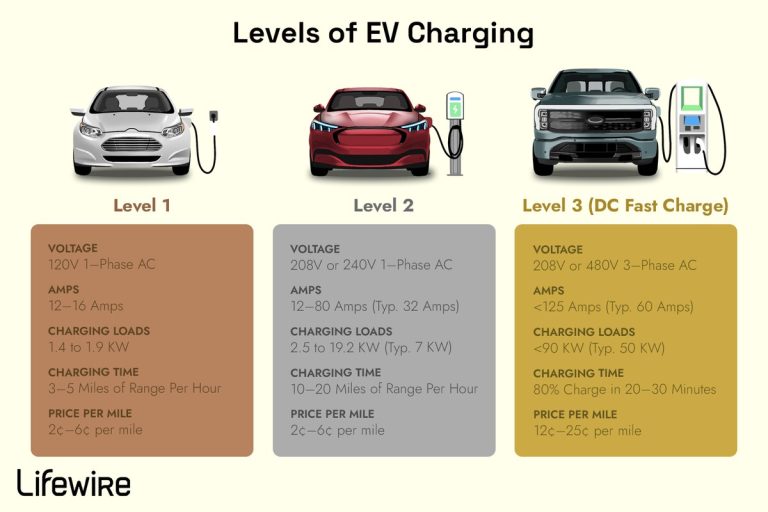
EV charging cost per kWh typically runs about $0.10–$0.30 at home, $0.20–$0.45 at public Level 2, and $0.35–$0.65 at DC fast chargers. Your actual rate depends on your utility, rate plan, charging losses, and where you plug in — so verify current numbers locally.
EV charging cost per kWh in the United States generally falls between about $0.10 and $0.30 at home, $0.20 and $0.45 at public Level 2 stations, and $0.35 and $0.65 at DC fast chargers — though the exact figure depends on your state, utility, rate plan, network, and how much energy is lost during charging. The same kilowatt-hour can cost three times more depending on where and when you plug in, so the ranges below are starting points, not quotes.
- Cost: Home charging is almost always the cheapest per kWh; DC fast charging is the.
- Formula: Cost = rate × kWh drawn from the grid, adjusted for roughly 5–15% AC.
- Compatibility: Connector fit alone does not prove AC or DC mode support — verify adapter.
- Safety: Confirm circuit, breaker, panel, and permit requirements with a qualified electrician and your local.
What EV Charging Costs per kWh in the U.S. Right Now
Electricity pricing in the U.S. is set locally, not nationally. That means two EV owners in the same state can pay very different rates for the same kWh. The figures below reflect typical published rate structures and network pricing as of 2026, but you should verify current numbers with your utility or the specific charging network before budgeting.
Home Charging: Roughly $0.10–$0.30 per kWh Before Time-of-Use Discounts
Residential electricity rates in the U.S. commonly land in that band, with wide regional variation. States with low-cost hydro or nuclear generation often sit near the bottom; states with high peak-demand pricing or expensive fuel mixes sit near the top. Time-of-use (TOU) plans can push off-peak rates below the standard tier.
Public Level 2: Often $0.20–$0.45 per kWh or a Flat Hourly Fee
Public Level 2 pricing varies by network and host site. Some bill per kWh where state regulations allow it; others bill per hour, per session, or require a membership. Workplace and hotel charging is sometimes free or subsidized, which changes the math entirely.
DC Fast Charging: Commonly $0.35–$0.65 per kWh, Sometimes Priced per Minute
DC fast charging carries higher equipment, demand, and site costs, so it is almost always the most expensive option per kWh. Some networks bill per minute in states that restrict per-kWh resale, which can make a slow-charging vehicle pay more for the same energy.
Why the Same Kilowatt-Hour Can Cost Three Times More Depending on Where You Plug In
Utility generation cost, transmission, distribution, taxes, network overhead, demand charges, and site rent all feed into the price you see. A home kWh is essentially wholesale-plus-residential-rate; a public DC kWh includes hardware amortization, maintenance, and a margin.
- Home charging for daily commutes — lowest cost per kWh
- Public Level 2 for destination and workplace top-ups
- DC fast charging as a daily habit — highest cost per kWh
- Renters without dedicated home charging access
How to Calculate Your Own EV Charging Cost per kWh
Rather than trust a national average, work out your own number. It takes two inputs and one adjustment.
The Core Formula: Rate × kWh Delivered, Adjusted for Charging Losses
Cost = electricity rate ($/kWh) × energy drawn from the grid (kWh). If your utility bills in tiers or TOU windows, use the rate that applies during your charging window, not the headline rate.
Charging Losses Explained: Why the Meter Bills More Than the Battery Stores
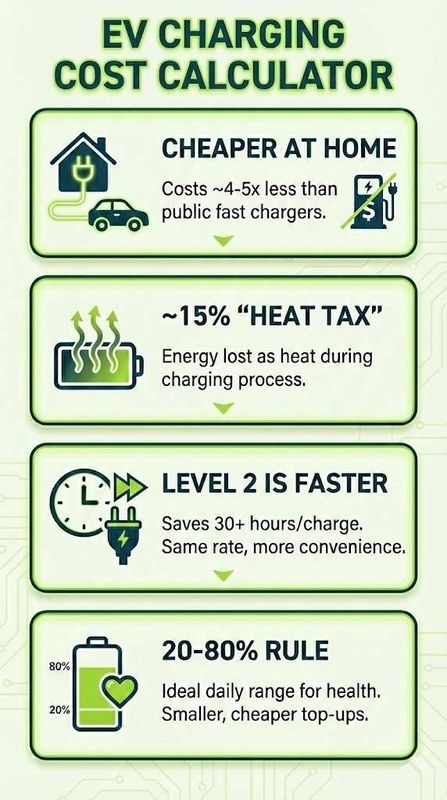
AC charging converts grid AC to DC inside the vehicle, and that conversion, plus cable resistance, onboard charger inefficiency, and battery thermal management, consumes energy. Typical AC charging losses are in the range of roughly 5–15 percent, but they vary by vehicle, EVSE, temperature, and charge rate. DC fast charging bypasses the onboard charger but still has losses and preconditioning energy.
Worked Example: A 2026 Midsize EV Adding 40 kWh at Home
Assume a 40 kWh energy addition to the battery, a $0.15/kWh off-peak rate, and a 10 percent charging-loss assumption. Grid energy drawn is about 44.4 kWh, so the estimated cost is roughly $6.66 for that session.
Assumptions shown for illustration only. Rates, taxes, time-of-use pricing, and losses vary by utility, vehicle, and conditions.
Converting Cost per kWh into Cost per Mile
Divide your cost per kWh by your vehicle’s efficiency in miles per kWh. At $0.15/kWh and 3.5 mi/kWh, you pay about $0.043 per mile. At a $0.50/kWh DC fast charger and the same efficiency, that jumps to roughly $0.143 per mile.
What Actually Drives Your Electricity Rate
Your bill is not one number. It is a stack of charges, and how they apply depends on your utility’s tariff structure.
Time-of-Use Plans and Off-Peak Windows
TOU plans price electricity higher during peak demand (often late afternoon and evening) and lower overnight. For most EV owners who charge at home overnight, TOU can meaningfully cut the effective rate — provided the rest of the household load does not shift into the peak window.
Flat, Tiered, and EV-Specific Utility Rates
Flat rates charge the same per kWh regardless of time. Tiered rates rise as monthly usage crosses thresholds. Some utilities offer dedicated EV rates with separate metering or a submeter, which can be cheaper but usually comes with its own fixed monthly charge.
Demand Charges and Submetering for High-Power Home Setups
Residential demand charges are uncommon but exist in some territories, especially where very high-power charging is metered separately. If your utility applies demand charges, the peak kW you draw in a billing window can affect the bill more than total kWh.
Regional Fuel Mix, Seasonality, and 2026 Rate Trends
Regions with cheap hydro, nuclear, or wind generation tend to have lower rates. Summer cooling demand and winter heating demand both push prices up seasonally. Rate structures and incentives change frequently, so verify current numbers with your utility.
Home Charging Equipment and Installation Costs (Separate From the kWh)
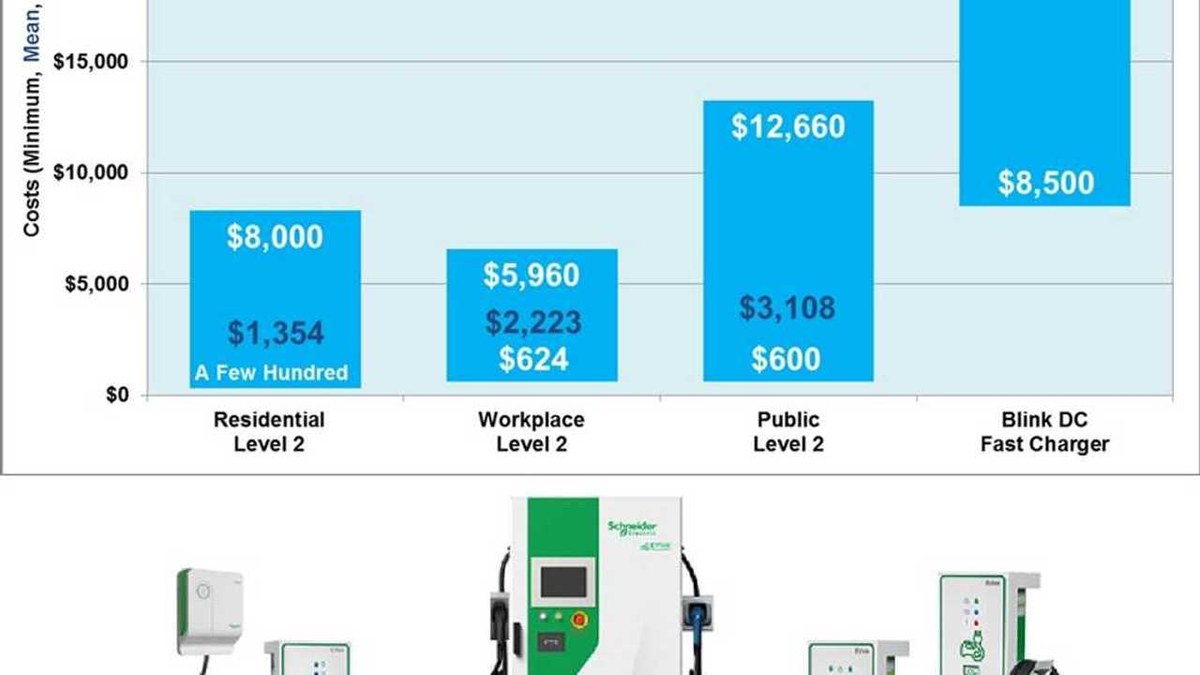
Equipment and installation are one-time costs. They do not change your per-kWh rate, but they change your total cost of ownership.
Level 1 vs. Level 2 EVSE: Amperage, kW, and What Fits Your Daily Commute
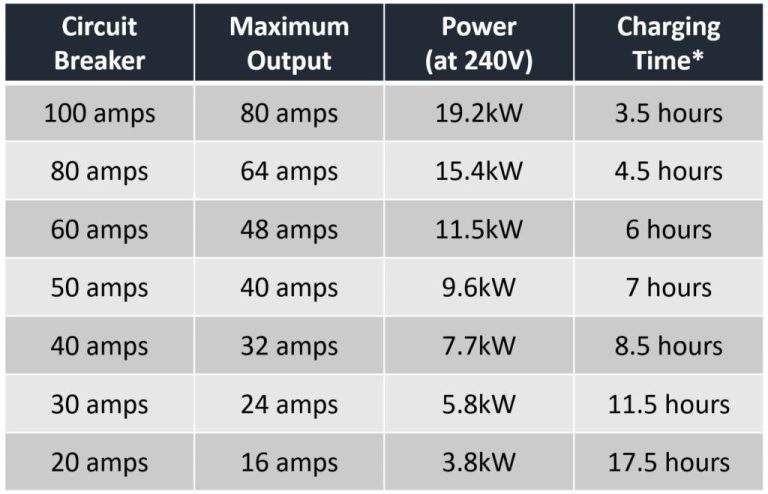
Level 1 uses a standard 120 V household outlet and typically adds only a few miles of range per hour. Level 2 uses 240 V and delivers far more energy per hour, which suits most daily commutes. Understanding how many kW a given amperage delivers helps you match the EVSE to your needs — see our breakdown of how many kW a 48 amp Level 2 EV charger produces. If your commute is short, a lower-amperage unit may be entirely sufficient, as discussed in is 40 amps enough for a Level 2 EV charger.
Plug-In vs. Hardwired: Circuit, Panel Capacity, and Local Code Implications
Plug-in units use a compatible receptacle and can be moved; hardwired units connect directly to the circuit and often support higher continuous current. Circuit and breaker requirements depend on the EVSE’s rated current and the manufacturer’s instructions — for a common 48 A example, see whether a 48 amp EV charger needs a 60 amp circuit. Conductor sizing is covered in our guide to 48 amp EV charger wire size.
Vehicle Onboard-Charger Limits: Why a 48-Amp EVSE May Not Speed You Up
The EVSE sets the ceiling; the vehicle’s onboard AC charger sets the actual draw. If your car’s onboard charger maxes out below the EVSE’s output, the extra capacity goes unused on AC charging.
Cable Length, Weather Rating, Mounting, Smart Features, and Warranty Support
Cable length affects parking flexibility. Enclosure and operating-temperature ratings matter for outdoor installs. Smart features can enable TOU scheduling and utility integration, but app dependence and firmware support are worth checking before purchase.
Installation Variables: Permits, Electrician Labor, and Panel Upgrades
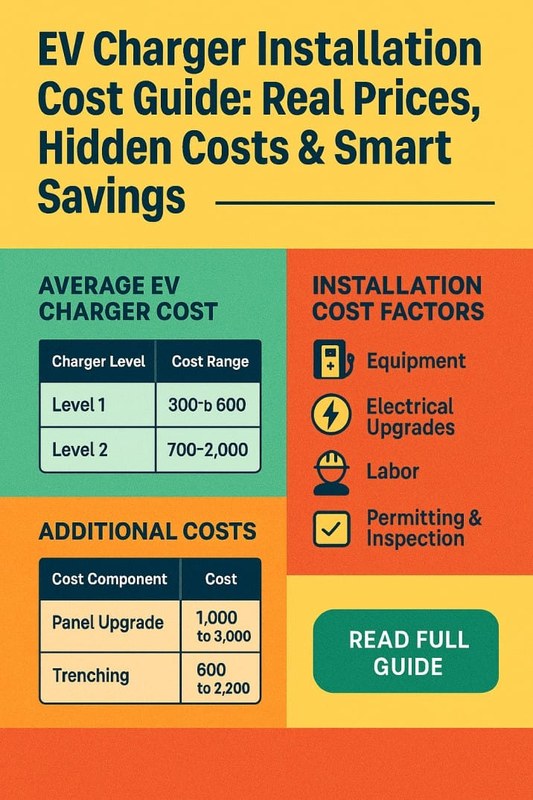
Permits, inspections, labor, conduit runs, and possible panel or service upgrades all affect installation cost. These vary widely by jurisdiction and home.
Public Charging Networks: How Pricing Models Differ
Public pricing is a mix of energy, time, access, and membership. Two networks can charge the same kWh at very different totals.
Per-kWh vs. Per-Minute Billing and Idle Fees
Per-kWh billing charges for energy delivered. Per-minute billing charges for time connected, which favors vehicles that charge fast and penalizes those that taper early. Idle fees apply after charging completes and are meant to free up the stall.
Session Fees, Membership Plans, and Roaming Across Networks
Session fees add a fixed charge per plug-in. Memberships can lower the per-kWh rate but add a monthly cost. Roaming agreements let you use one account across networks, sometimes at a higher rate than a native account.
When Public Charging Beats Home Charging on Cost
Free workplace or hotel charging, subsidized municipal stations, and some utility-sponsored programs can beat home rates. Otherwise, home charging is almost always cheaper per kWh.
Connectors and Adapters: What Changes Your Cost and Access
Connector type does not change the price of a kWh directly, but it determines which stations you can use — and access limits your options.
NACS, J1772, and CCS1: Matching Source and Destination Connectors
NACS (SAE J3400) is now widely used on new vehicles and supported by many networks. J1772 is the traditional AC connector. CCS1 has been the dominant DC connector for many non-Tesla vehicles. Vehicle-side and charger-side requirements must both be satisfied.
Adapter Direction, AC vs. DC Mode, and Power Ceilings
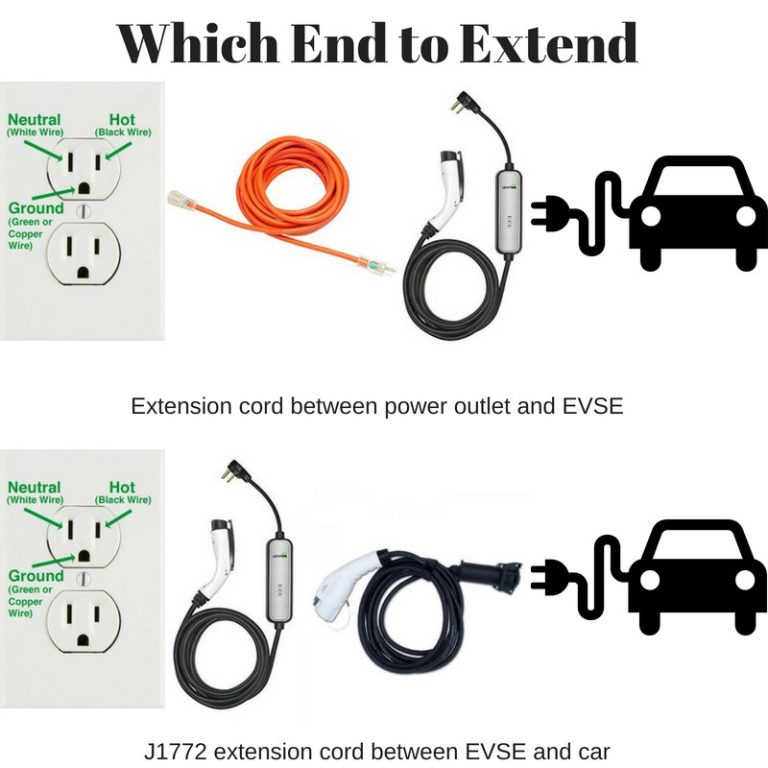
Adapters are directional and mode-specific. A J1772-to-NACS AC adapter is not the same as a CCS1-to-NACS DC adapter. Physical fit alone does not prove the charging mode is supported.
Thermal Limits, Firmware Requirements, and Vehicle or Network Restrictions
Adapters have thermal and power limits. Some vehicles require firmware updates to enable adapter use, and some networks restrict which adapters are approved.
Important: Physical fit alone does not prove every AC or DC charging mode is supported. Verify adapter direction and vehicle/network approval.
How Driving Efficiency Changes Your Real Cost per Mile
Cost per kWh is only half the equation. Efficiency determines how far each kWh takes you.
mi/kWh and Wh/mi: The Numbers That Matter
Miles per kWh (mi/kWh) and watt-hours per mile (Wh/mi) are reciprocal measures of efficiency. Higher mi/kWh means lower cost per mile at the same electricity rate.
Speed, Weather, HVAC, Elevation, Payload, and Tires
Highway speeds, cold temperatures, cabin heating or cooling, elevation gain, extra weight, and tire pressure or tread all shift efficiency. Each affects how many kWh you actually consume per mile.
Battery Temperature and Charging Losses in Cold Climates
Cold batteries accept charge more slowly and lose more energy to thermal management. Preconditioning and parking in a garage can reduce losses, but the effect varies by vehicle.
Battery Health and Charging Power: Cost Trade-Offs to Understand
Charging habits affect both cost and long-term battery condition. The trade-offs are real but often overstated.
Manufacturer Guidance vs. General Best Practices
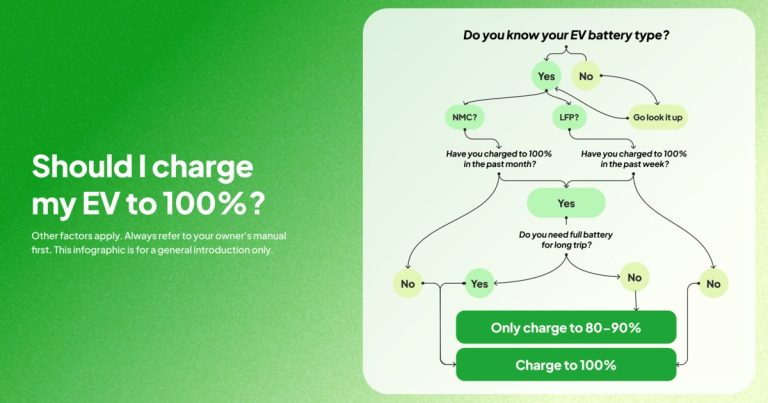
Follow your vehicle manufacturer’s guidance first. General advice about charge limits is not universal; battery chemistry, thermal management, and pack design differ.
State of Charge, Temperature, and DC Fast Charging Context
Charging above a certain state of charge or fast-charging repeatedly in extreme temperatures may accelerate degradation in some packs. The effect depends on the specific vehicle and how it manages temperature.
Convenience vs. Longevity: Where the Money Actually Goes
For most owners, the cost difference between charging habits is small compared with the cost of the vehicle itself. Convenience often wins, provided you follow manufacturer guidance.
Practical Ways to Lower Your EV Charging Cost per kWh
Small changes to when, how, and where you charge can shift your effective rate without changing your driving.
Shifting Loads to Off-Peak Hours
Scheduling charging overnight on a TOU plan is the single most reliable way to lower your effective rate. Many EVs and EVSEs support scheduled charging.
Choosing the Right EVSE for Your Panel and Commute
Buying more capacity than your vehicle or panel can use wastes money. Matching EVSE output to your onboard charger and available circuit is the practical approach. Our roundup of 48 amp Level 2 EV chargers for home charging covers units that fit this use case.
Comparing Network Plans Before a Road Trip
Membership pricing, roaming rates, and per-minute versus per-kWh billing can change the cost of a trip materially. Check the networks along your route before you leave.
Tracking Your Own Cost per Mile Over Time
Log your kWh added, your rate, and your miles driven. Over a few months, this gives you a real cost-per-mile figure that beats any national average.
- Best for: Home charging on a TOU plan, where effective rates are lowest and predictable.
- Think twice if: You rely on DC fast charging daily or live in a high-rate territory without off-peak options.
- Next step: Pull your utility’s current rate schedule, identify your off-peak window, and calculate your own cost per mile.
Frequently Asked Questions
Home charging commonly falls between about $0.10 and $0.30 per kWh before time-of-use discounts. Public Level 2 often runs $0.20–$0.45 per kWh or an hourly fee, and DC fast charging typically ranges from $0.35 to $0.65 per kWh, though rates vary by state, utility, and network.
Yes. AC charging converts grid power to DC inside the vehicle, and that conversion plus cable resistance and thermal management consumes energy. Typical AC charging losses are roughly 5–15 percent, so the meter bills for more kWh than the battery actually stores.
Sometimes. Free workplace, hotel, or municipal charging can beat home rates, and some utility-sponsored programs offer low-cost public charging. Outside those cases, home charging is almost always cheaper per kWh.
Divide your cost per kWh by your vehicle’s efficiency in miles per kWh. At $0.15/kWh and 3.5 mi/kWh, you pay about $0.043 per mile. At $0.50/kWh and the same efficiency, it is roughly $0.143 per mile.
Because the vehicle’s onboard AC charger sets the actual draw. If your car’s onboard charger maxes out below the EVSE’s rated output, the extra capacity is unused. Circuit capacity and the EVSE’s configured current also affect delivered power.
Not directly. Adapters change which stations you can access, and access can affect the rate you pay. Adapters are directional and mode-specific — a J1772-to-NACS AC adapter is not the same as a CCS1-to-NACS DC adapter, and physical fit alone does not prove mode support.